
|
Getting your Trinity Audio player ready...
|
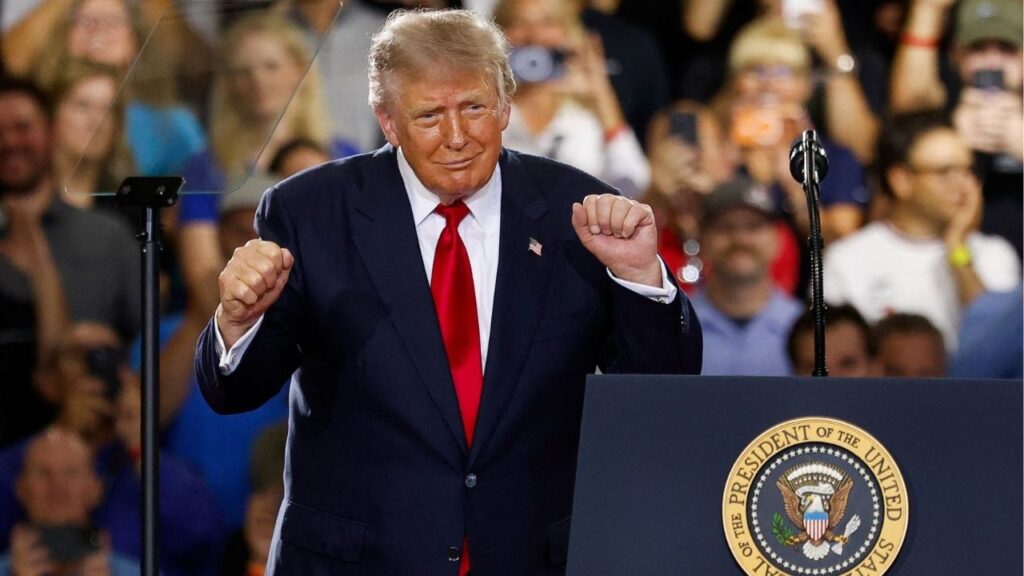
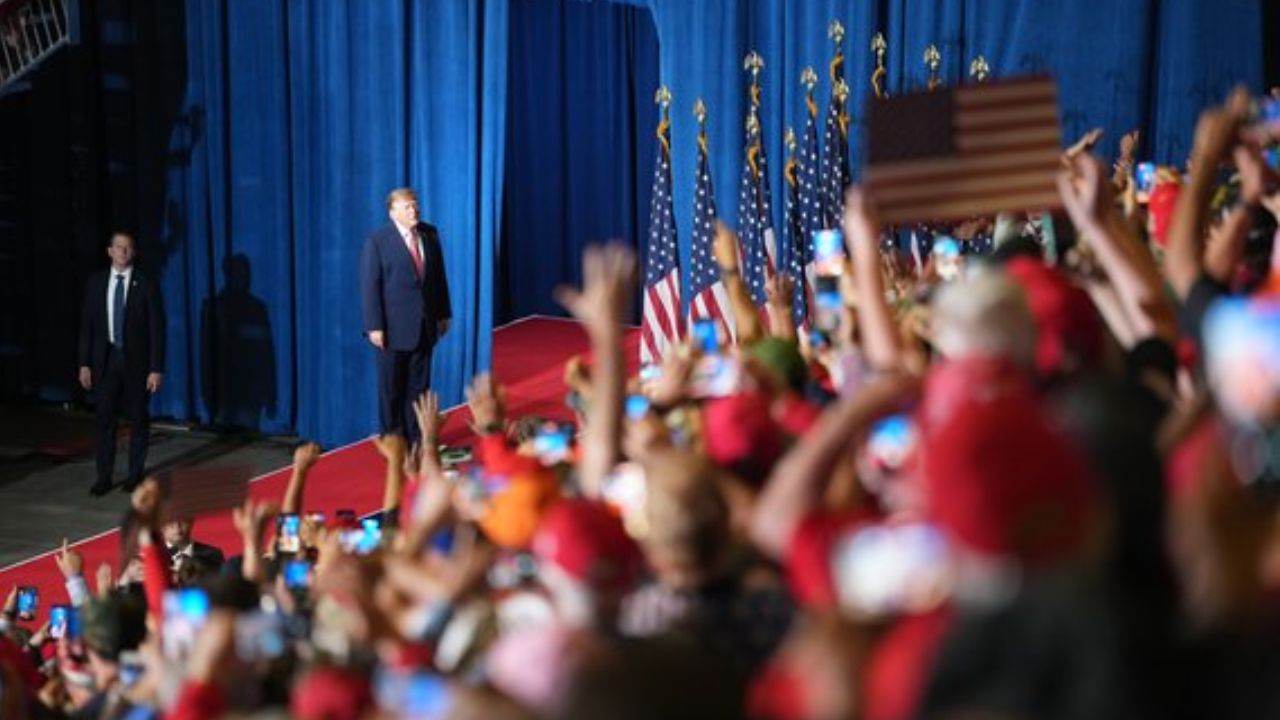
President Donald Trump said at a rally in Kansas on Monday night that the Agriculture Department would provide $8 billion in economic aid to farmers hurt by high diesel prices.
It was the second time in two years that the president authorized billions of dollars in bailout money for farmers harmed by his administration’s policies, and came 15 days before a midterm election in which unhappy farmers and ranchers could be the deciding votes in close races across the country.
Under the plan, known as the Harvest Fuel Relief Program, the Agriculture Department will use a formula based on how many acres and which crops farmers planted to reimburse them for a “portion” of their losses. The money will come from Commodity Credit Corp., a financing institution that the Agriculture Department uses to fund crop insurance and natural disaster payment programs.

Payment rates will be announced next month, and farmers will receive money at a later date.
Farmers use diesel in their machinery and irrigation systems, especially in the fall when they run combine harvesters. The price of a gallon of diesel has averaged $6 or more in most of the country in recent weeks, compared with about $3.50 last fall, saddling many farmers with thousands of dollars in additional costs.
Higher diesel prices have hit farmers unevenly. According to the Farm Bureau, a lobby group, the production cost to grow an acre of wheat rose by $6 because of higher fuel costs, while the cost to grow an acre of rice rose by $52. Fertilizer costs, which are closely tied to fuel costs, also went up this spring and summer.
Farmers are traditionally a solid Republican voting bloc. But high fuel and fertilizer costs, along with tariffs and trade disruptions, are dragging down the electoral prospects of a number of Republican candidates in what were thought to be solidly Republican areas.
Trump was rallying for Sen. Roger Marshall, R-Kan., outside of Wichita on Monday night. Marshall comfortably won election in 2020 by 11 points, but most polls show he is tied or running slightly behind his Democratic challenger, Adam Hamilton. National Republican groups have been diverting money to Kansas to shore up Marshall’s chances.
In announcing the aid for farmers, Trump sought to credit it to Marshall. “Roger Marshall is the leader who fought for that to happen,” he said.
Neither the president nor the Agriculture Department explained the causes of higher diesel prices: During the early months of the war in Iran, oil exports through the Persian Gulf nearly ground to a halt, driving up prices. The flow of oil and refined fuel has resumed — with the help of the U.S. military — but volumes are still below prewar levels.
The rescue package came two weeks after the president announced a more modest executive order to help farmers with high diesel prices at a rally in a different Midwest farm state, Nebraska.
That order allowed the use so-called dyed diesel — which typically can only be used in off-road machinery like tractors — in on-road vehicles, and defers and possibly eliminates some taxes on it. The amount of money that farmers were estimated to save from the dyed diesel order was far less than the $8 billion they were set to receive through the Harvest Fuel Relief Program.
The latest rescue package mirrored the $12 billion Farmer Bridge Assistance Program the Agriculture Department rolled out in December. That was called an “economic loss program” and came after months of lower-than-usual exports of American crops because of the Trump administration’s tariff and trade policies.
—
This article originally appeared in The New York Times.
By Kevin Draper/Doug Mills
c. 2026 The New York Times Company