

|
Getting your Trinity Audio player ready...
|
At their Oct. 20 meeting, Fresno County supervisors will receive a recommendation on how best to spend $100,000 to solve an ongoing water problem in Shaver Springs.
On Tuesday, county staff presented four different options to supervisors on how to spend the money offered by Supervisor Nathan Magsig’s district project budget. Among the options: providing bottled water, paying down district debt to help alleviate residents’ water or sewer bills, and completing a study to determine if water treatment would be a worthwhile investment.
Supervisors tended to agree that the best use of the money would be to expedite a feasibility study on whether water treatment or a new well would be the best long-term approach to mitigating contamination issues in the mountain community.

The decision to spend Magsig’s district money may also open the door for treating water problems at any of the more than 100 special districts throughout the county. As Supervisor Brian Pacheco noted, other water districts have not been allowed to access county funds because they are supposed to be self-sufficient.
In a statement on social media, Magsig said the money would provide targeted relief for residents.
“County staff presented several options to ensure these local funds deliver the greatest immediate impact without jeopardizing the nearly $1 million in state grant funding the community relies on,” Magsig said. “Potential relief options under review include bottled water assistance, water system treatment, sewer rate relief, and expediting the state required feasibility study.”
Supervisors approved using the money in a 5-0 vote.
Shaver Springs Has History of Bad Water
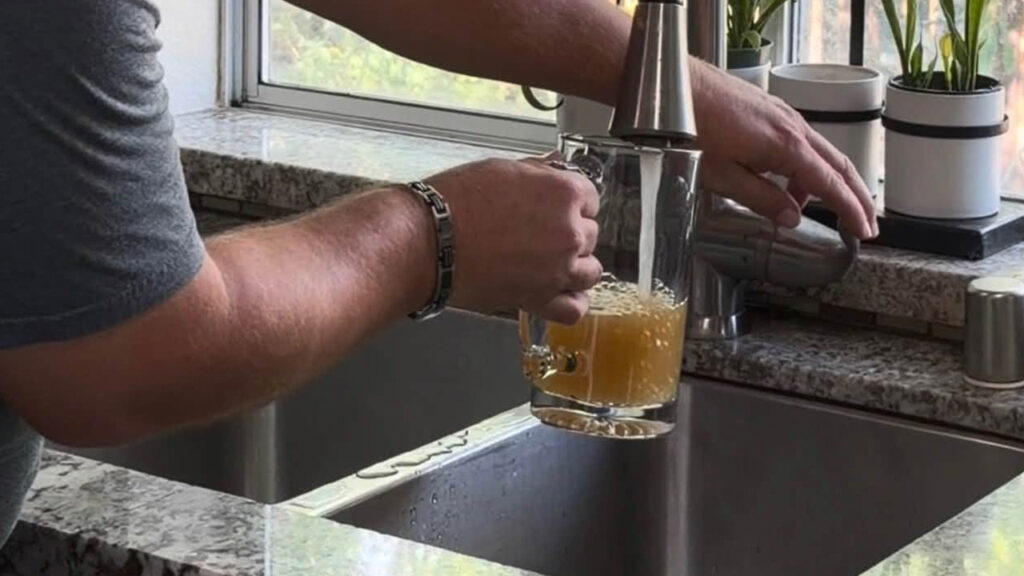
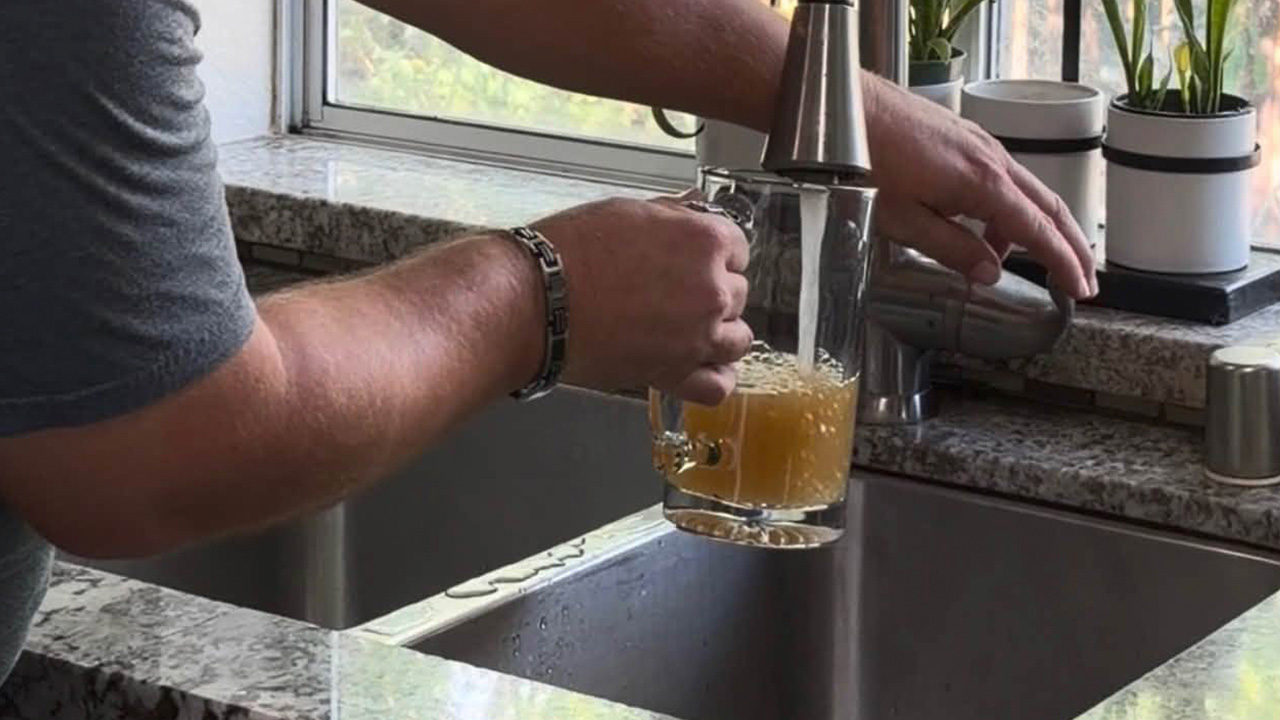
Water quality problems came to a head in Shaver Springs in August when the county informed residents that levels of uranium and gross alpha had exceeded maximum contamination levels. Shortly after, the county sent notices about iron and manganese. The district has had water problems for decades, especially with uranium and gross alpha.
Only a few years ago, the district purchased a relatively new well that had been the most reliable in quantity and quality. That changed recently when tests showed high levels of the contaminants.
After originally telling residents to avoid giving water to infants and that long-term exposure were the biggest worries, the state in September upgraded that warning. It now recommendated to avoid cooking with and drinking the water altogether. However, the state has not issued a “do-not-drink” order.
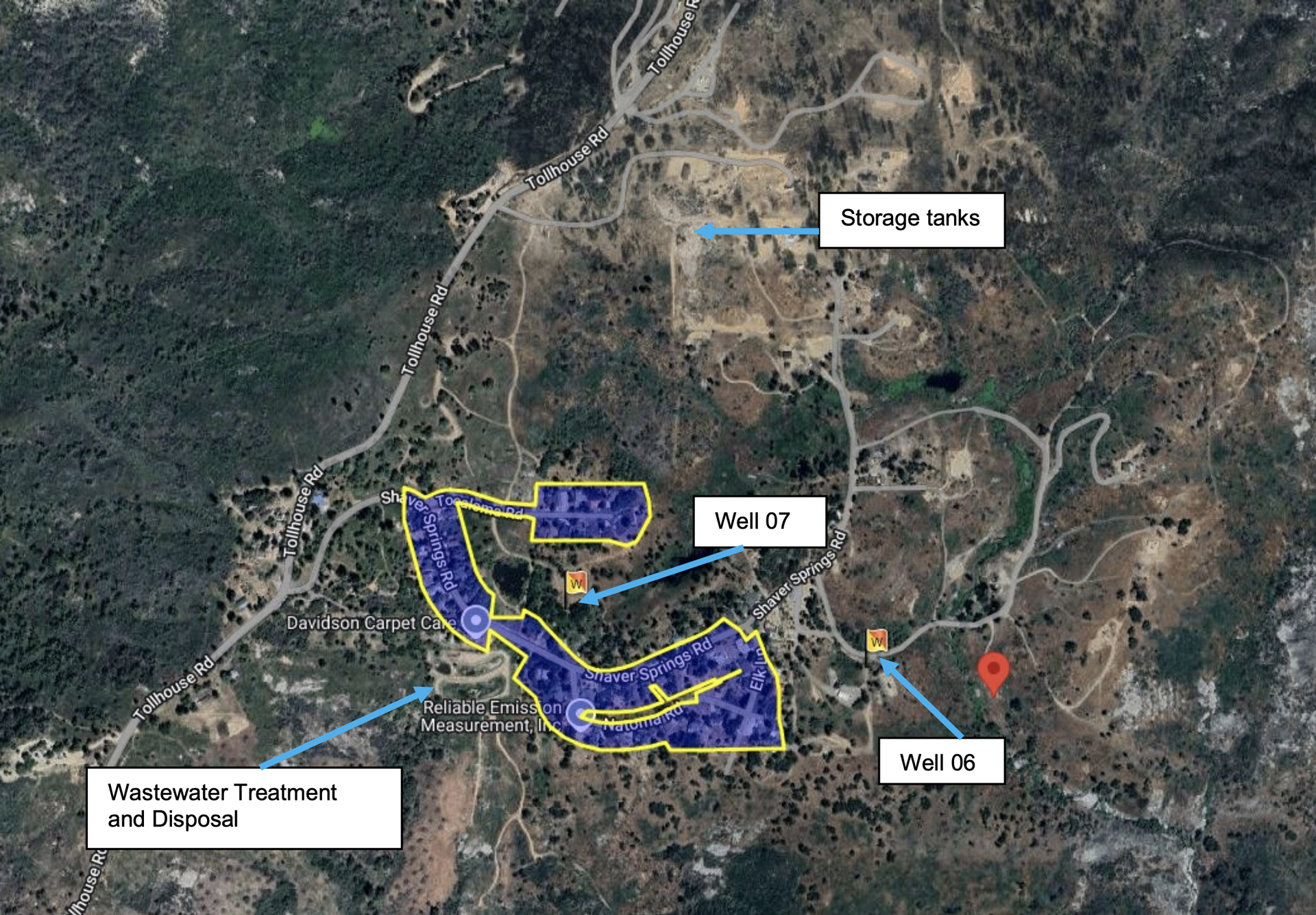
The problem comes in large part from the district’s sources, Magsig previously told GV Wire. Rather than pulling from an aquifer, wells pull from fissures in the mountain so metals are frequently a problem with water sources. Wells also have trouble providing adequate amounts of water.
Additionally, at least one water storage tank in the district is outdated and needs replacing. The state put replacing the tank on the district’s priority list, but without funding, that project never got completed, Fresno County special districts manager Chris Bump told GV Wire.
Now, the question remains whether a new well or water treatment would be the best solution. The county is looking at purchasing a well that in the past has produced strong results. Residents have called for treatment, but Magsig has said that beyond the water quality issues is question of how much water the two remaining wells produce.
The county has about $500,000 left of a $1.3 million grant that can be used to purchase a new well.
Options All Have Downsides
All of the uses for the $100,000 come with downsides.
While paying for bottled water may provide the best immediate alternative for residents beset by discolored, contaminated water, it isn’t a long-term solution. Additionally, churches have provided bottled water, as has Clovis Mayor Vong Mouanoutoua, who is running to replace Magsig should Magsig win his race for state Senate.
Another option is paying down district debt. Paying down water system debt would help lower water bills by about $38 a month. Since rates were raised in 2025, some residents say they are paying 300% more on their water bills.
The problem for that use is that the lower rates may make residents ineligible for a state subsidy helping with water bills. Using the money to pay down on sewer system debt would lower bills by about $27 a month, according to Bump’s presentation.
Supervisors Brian Pacheco and Garry Bredefeld said the water study would be the best use as it would help lead to a longer-term solution. Magsig and Supervisor Luis Chavez agreed.
Bump, however, said results of that study may not provide any additional answers.
“We would be making assumptions on what that’s going to show in order to get ahead of it,” Bump said.
Should County Use Taxpayer Money to Help Water Districts?
Pacheco initially raised objections to using county money, saying the county has refused to help other districts such as the El Porvenir County Service Area, which has a similar governance to Shaver Springs’ water district.
Pacheco supported spending the $100,00 but said that going forward, it should be the same for all water districts.
“While we oversee it, we’re not allowed to supplement the funding, because if it’s a (county service area) they’re responsible for their own financial success,” Pacheco said.
Magsig agreed with Pacheco, saying that the money comes out of the special budget intended for district projects. He added that approval should mean other special districts should have access to county money.
“If this is approved, I think moving forward, we should be able to do this in your respective district or anyone’s respective district,” Magsig said.
Supervisors also floated the idea of giving oversight of the district back to residents. That would require an approval process by residents. Residents in 1988 petitioned the county to take over oversight after financial problems.