
|
Getting your Trinity Audio player ready...
|
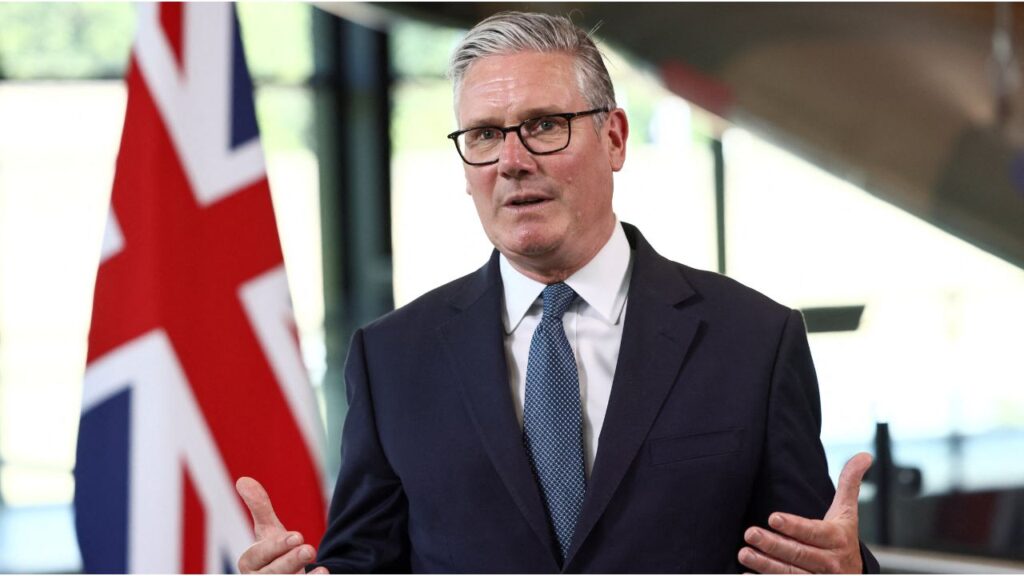
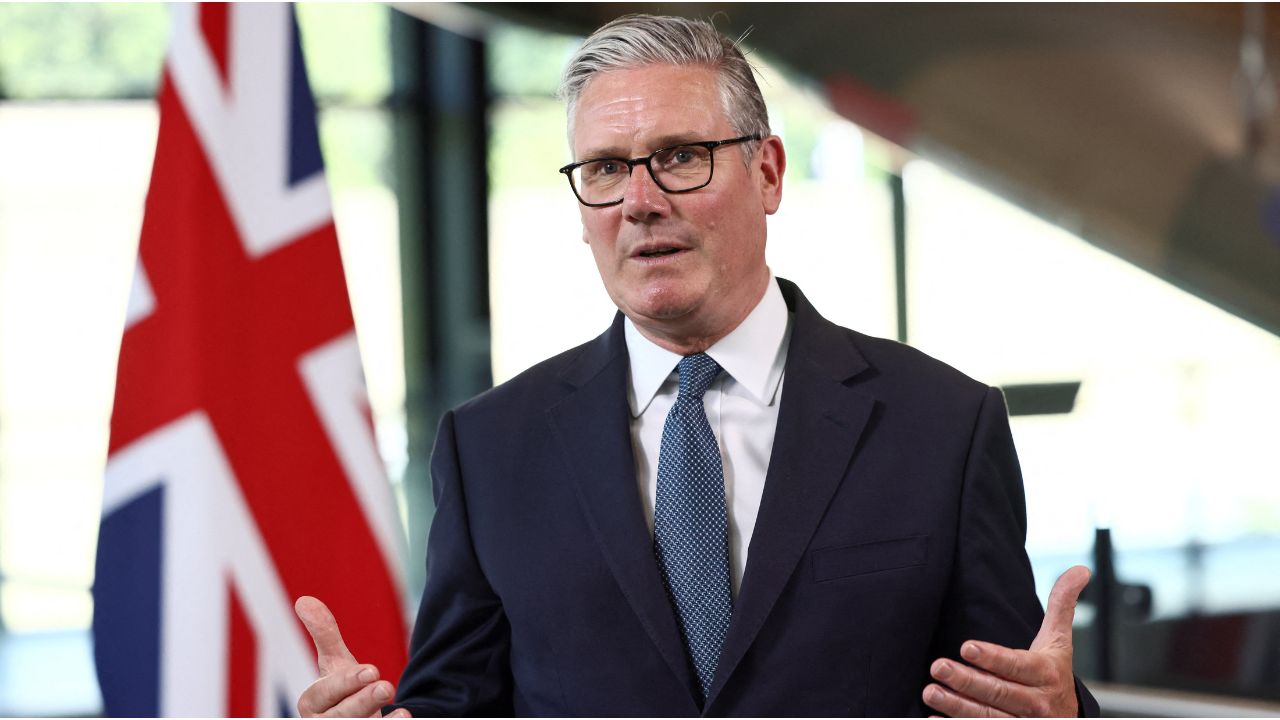
LONDON — Keir Starmer, who announced his resignation as Britain’s prime minister in June, said Tuesday that he would leave Parliament, signaling an end to his domestic political career.
Starmer, who became a member of Parliament in 2015, made the announcement to a local newspaper in the north London electoral district that he represents. Andy Burnham succeeded him as prime minister and as Labor Party leader in July.
“It has been a huge honor and privilege to represent the best constituency in the country,” Starmer told The Camden New Journal, adding, “I will now focus on other things, and that will be international affairs, including defense, security, trade and technology in a fast-changing world.”

Starmer’s decision to quit Parliament will lead to a special election to replace him as a lawmaker in the Holborn and St. Pancras district, a traditional Labor stronghold. The contest will nonetheless test the popularity of the current government. Under Burnham’s leadership, Labor has improved its position in opinion polls. The challenge posed to it by independent candidates and by the Green Party, which is likely to campaign hard in Holborn and St. Pancras, has diminished somewhat.
A former chief prosecutor, Starmer became leader of the Labour Party in 2020 after its crushing defeat in the 2019 general election, which was the party’s worst result since 1935. Under his leadership, Labor revived its political fortunes and came to power in 2024 with a big parliamentary majority, although with only around one-third of the vote share.
During Starmer’s time as leader, Labor’s popularity declined. The government was forced into a succession of policy reversals, and the prime minister’s communication skills were heavily criticized. In May, Labor suffered major setbacks in elections in Wales, Scotland and many English regions.
That proved the catalyst for a swift change of leadership in the party when Burnham, the former mayor of Greater Manchester, won a special parliamentary election, giving him a seat in Parliament and putting him in a position to make a challenge for the leadership. Under fierce political pressure, Starmer stepped aside, and Burnham became prime minister without a contest.
—
This article originally appeared in The New York Times.
By Stephen Castle
c. 2026 The New York Times Company