
|
Getting your Trinity Audio player ready...
|
WASHINGTON — The Trump administration has rescinded its $10 billion freeze on childcare subsidies and social services funding for five blue states, including New York and California, after repeated setbacks in a lawsuit challenging the pause of federal dollars, according to court documents filed Monday.
The reversal of the funding freeze is the latest blow to President Donald Trump and his allies in their attempt to exert presidential authority to cut spending and to punish perceived enemies by claiming waste, fraud and abuse of federal dollars without clear evidence.
The setback came as key Trump officials, including Vice President JD Vance, amplified such claims as a major talking point in the upcoming midterms, in which the Republican Party faces a tough fight to retain control of Congress.

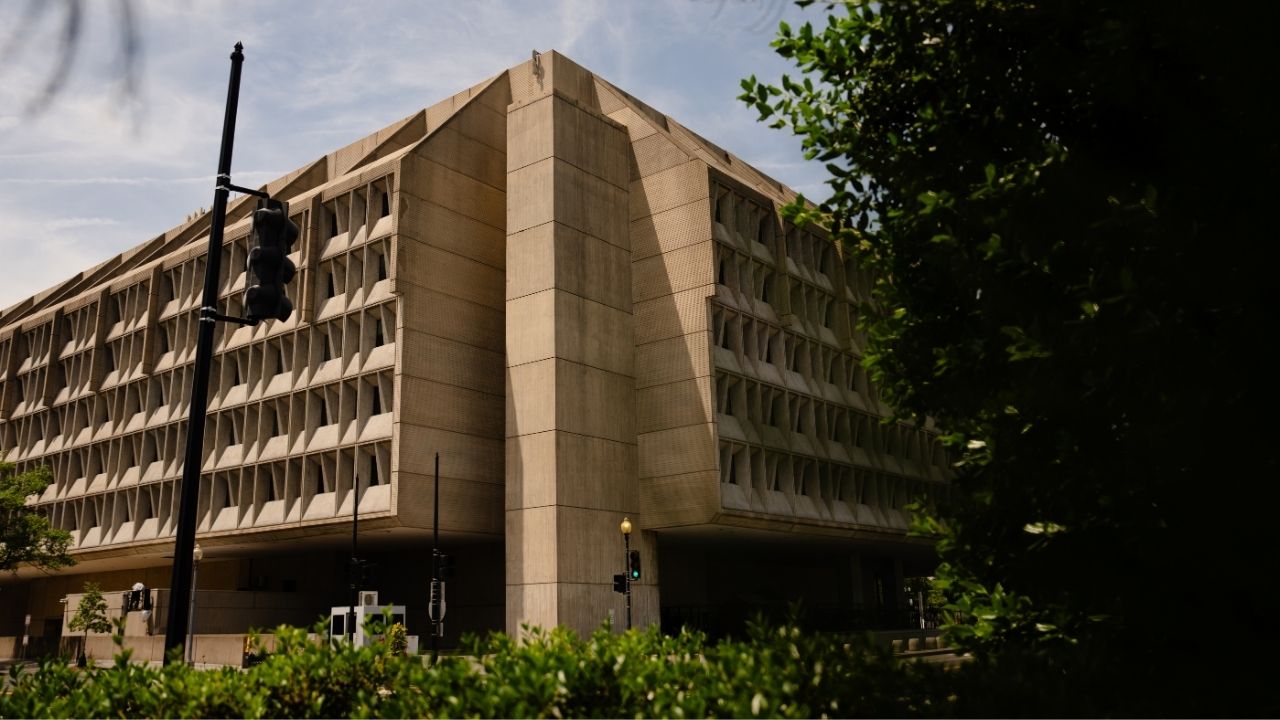
Last week, the Health and Human Services Department sent nearly identical letters to officials in New York, California, Colorado, Illinois and Minnesota, according to the court filings. The agency notified the five states that it was voiding measures it had tried to put in place since January to limit the states’ ability to access federal childcare and social services funding. It specified in the letters that the five states controlled by Democrats were no longer required to provide data that the department said it needed to verify benefit eligibility.
The administration had already been enjoined from executing the funding pause after a federal judge blocked the freeze in January, and again in February, for the duration of the lawsuit. Such a pause could have jeopardized programs that serve hundreds of thousands of low-income households in the five states.
The Trump administration had suggested that its funding freeze was a reaction to allegations of fraud within Minnesota’s state social safety net programs, though it has yet to provide evidence that similar schemes took place in the other four states.
The government has repeatedly lost in court cases challenging its unilateral pause in the disbursement of federal dollars, including grants for affordable housing, mental health programs, elite universities, news programs in foreign languages and food stamps.
The reversal of its freeze on money for childcare and social services appeared to be an attempt to shield the White House Office of Management and Budget from future court discovery that would lead to mandated disclosure of key Trump officials’ emails and other communications records.
The five Democratic-controlled states have asked the court to require the budget office, led by Russell T. Vought, a Trump ally, to produce information regarding the funding freeze, suggesting that Vought and the key White House officials had been involved in the decision. But Monday, the government lawyers strongly objected to such a document-producing exercise, arguing that the lawsuit was moot because the health department had already rescinded the funding freeze.
Rabia Muqaddam, a New York State attorney representing the five blue states, objected to dismissing the lawsuit in another court filing and said that the budget office might again try to terminate the childcare funding if the lawsuit was dismissed.
“Defendants are now taking another tactic to avoid judicial review and the discovery,” Muqaddam wrote Monday.
—
This article originally appeared in The New York Times.
By Minho Kim/Erin Schaff
c. 2026 The New York Times Company