


The House on Thursday rejected a three-week extension of one of the government’s most powerful surveillance authorities for collecting information on foreign threats overseas, further raising the prospect that the law will expire Saturday.
In a 218-198 vote, Democrats and several Republicans opposed even temporarily renewing a statute that underpins the government’s cornerstone electronic spying program, known as Section 702 of the Foreign Intelligence Surveillance Act. It left the law, now set to expire after midnight Friday, facing its gravest threat in years, with the Senate also at an impasse over extending it.
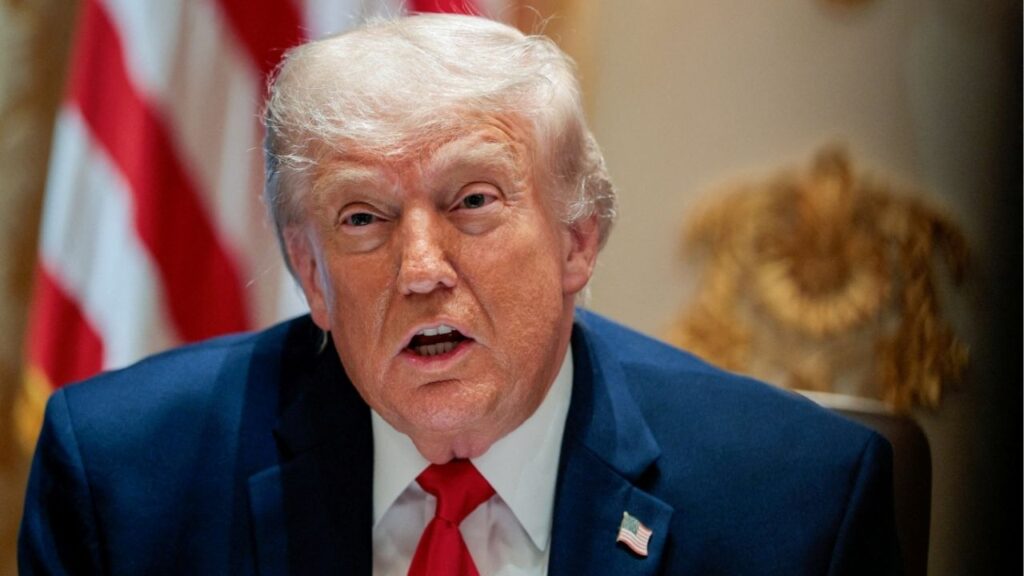
A clutch of bipartisan lawmakers had until recently been negotiating some marginal changes to the law in a push to earn enough support from privacy advocates to extend the authority for three years. But the group splintered after President Donald Trump said last week that he was installing Bill Pulte, his top housing official and a close ally who has no intelligence background, as acting director of national intelligence.

Democrats, including those who had been pushing for the spy law’s renewal, said they would not pass legislation extending it unless Trump backed down from his pick of Pulte or nominated a suitable permanent pick. The president has refused, despite Republican entreaties to do so or risk a lapse of a critical surveillance power.
The authority at the center of the dispute, Section 702, permits the government to collect from U.S. technology companies like Google and AT&T the communications of foreigners located abroad without a warrant when seeking foreign intelligence information. Officials from multiple administrations have credited the program with helping identify terrorist plots, combat cyberattacks and monitor the activities of foreign adversaries.
“We cannot allow that to go dark,” Speaker Mike Johnson told reporters Wednesday as prospects for the law being renewed appeared increasingly grim. “We have a lot of big events going on around the country right now. We have the FIFA World Cup, we have the American 250 events, Freedom 250 events — all these things that are happening, and it would be a very dangerous time to allow us to not have that important national security tool.”
But the law has long faced resistance from civil libertarians on both the left and the right who are concerned that it allows the government too much latitude and tramples on privacy protections. Lawmakers in both parties have pushed for years, mostly without success, for stronger restrictions on how the FBI treats Americans’ communications that are incidentally swept up in foreign intelligence collection.
This year, however, the debate has been further complicated by the selection of Pulte.
Democrats have argued that Pulte, who has used his perch as the director of the Federal Housing Finance Agency to carry out a campaign of retribution on behalf of the president, would weaponize the nation’s intelligence apparatus to do Trump’s bidding. The president, who has long desired a spy chief who would comply with his desire to punish his perceived enemies, has already urged Pulte to conduct mass firings of employees at the Office of the Director of National Intelligence. The current spy chief, Tulsi Gabbard, has overseen significant downsizing at the agency.
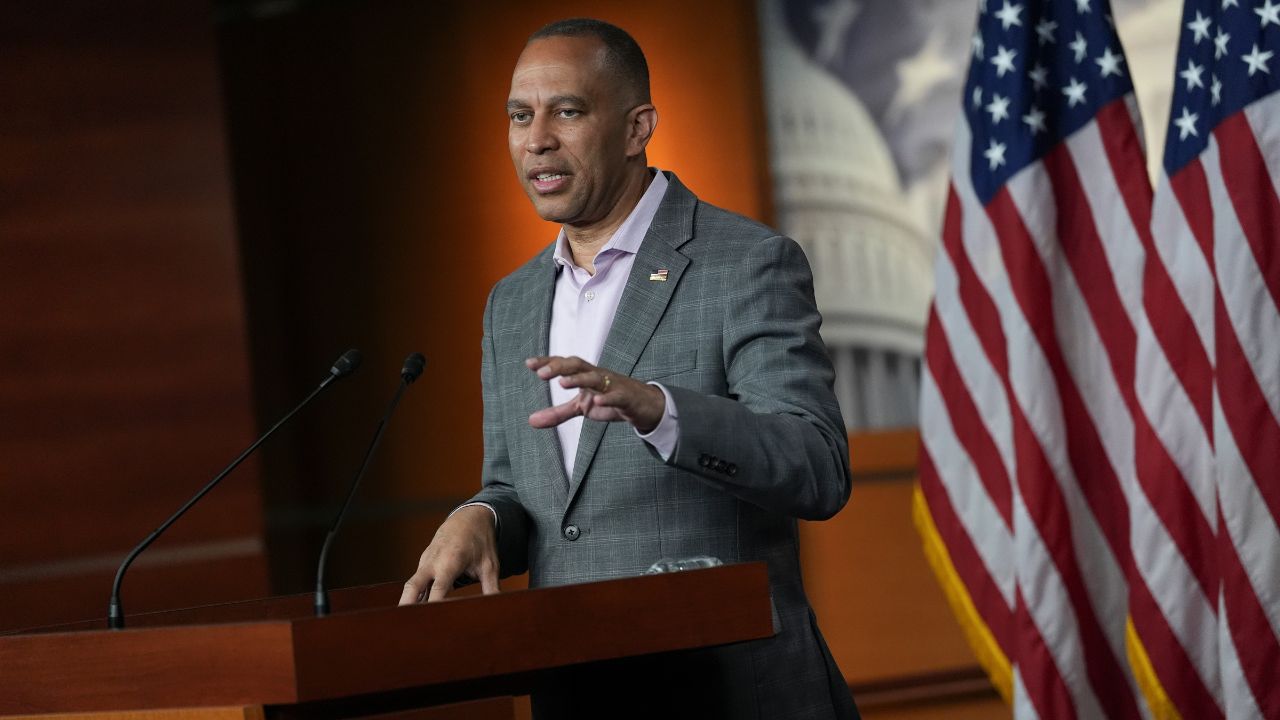
Rep. Hakeem Jeffries, D-N.Y., the minority leader, urged Democrats to oppose the bill, saying it lacked necessary changes to the surveillance programs and expressing frustration over Pulte’s appointment.
“There is a path to reauthorizing FISA, but it will require enacting meaningful reforms,” Jeffries said before the vote in a statement issued with other Democratic leaders. “We oppose this bill to kick the can further down the road.”
On Thursday, 19 Republicans and all but seven Democrats opposed renewing the law.
Should the Section 702 statute sunset, a built-in safety mechanism would most likely enable it to continue operating. The surveillance court that oversees FISA issued new annual certifications for the program in March, meaning the National Security Agency could continue to operate it until next spring — though such a scenario could invite legal challenges from the companies that the law requires to share communications data with the government.
—
This article originally appeared in The New York Times.
By Robert Jimison and Dustin Volz/Salwan Georges
c. 2026 The New York Times Company