

|
Getting your Trinity Audio player ready...
|
WASHINGTON — The White House is seeking to exert more control over billions of dollars in annual government grants, aiming to restrict a vast swath of funding — in health, housing, science and transportation — so that it primarily serves the purposes and organizations politically aligned with President Donald Trump.
While the administration says that its primary goal is to safeguard taxpayer money, its proposal amounts to a major escalation in its attempt to reimagine the nation’s spending, even as Congress and the courts continue to rebuke the president for abusing such powers.
All Grants Must Be Reviewed by Trump’s Appointees
Trump’s ambitions were made clear in a roughly 400-page blueprint that was released to little fanfare Friday. If finalized, it would require all federal grants to be approved by the president’s political appointees, who must ensure that the money would “demonstrably advance the president’s policy priorities.”

For the agencies that issue those awards and the nonprofit groups, local governments, universities and other entities that receive the money, the Trump administration would also impose a set of highly prescriptive and political criteria.
The government could not issue grants to projects or groups that “deny the biological reality of sex or the sex binary in humans,” for example. Nor could it seek to fund initiatives that “promote anti-American values”; contribute to illegal immigration; advance diversity, equity and inclusion; or assist in voter registration.
Limiting ‘Issue Advocacy’
The rules would further limit the ability of grant recipients to engage in some “issue advocacy.” Those that are funded would be scrutinized for their compliance with “religious liberty laws” and their “memberships and affiliations” with outside groups. And they could face the outright termination of their grants if the Trump administration someday determines that their actions are not in the “public interest.”
The restrictions echo the string of executive orders that Trump signed shortly after returning to office, many of which have been challenged or blocked in court. This time, however, the White House has pursued its restrictions by proposing a regulation, which is expected to become final after the government solicits public comment. The result could be applied far more broadly, and perhaps in ways that are harder to fight legally or undo later, according to budget experts.
The consequences could fall hardest on health and science, a field in which Trump has pursued some of the steepest cuts in his second term.
New Restrictions on Research
In exchange for federal assistance, researchers would face limits on the subjects that they can explore, the foreign labs with which they may collaborate and even the conferences at which they can appear. Dr. Georges C. Benjamin, chief executive of the American Public Health Association, a professional organization and advocacy group, said the policy could “devastate innovation, science and research” in the United States.
An official at the White House budget office, who would only describe the administration’s thinking on the condition of anonymity, said the proposed regulations were consistent with the president’s recent directives and current law.
The official said that the goal was to promote transparency, efficiency and accountability around federal grants, which would now be suspended if they are not in compliance with the new rules.
The Trump administration would also require those that receive government aid to scrutinize the use of taxpayer dollars more closely for fraud. In general, its policies would not apply to all federal spending, meaning that money doled out based on criteria established in law — like entitlement programs, block grants and other spending mandates — would not be affected.
“The whole idea here is to basically have one control tower,” said Daniel Kowalski, a budget expert at the conservative-leaning Heritage Foundation. “There’s one executive, and all the agencies should be working to implement the executive’s agenda.”
Trump Administration Targets ‘Woke’ Spending
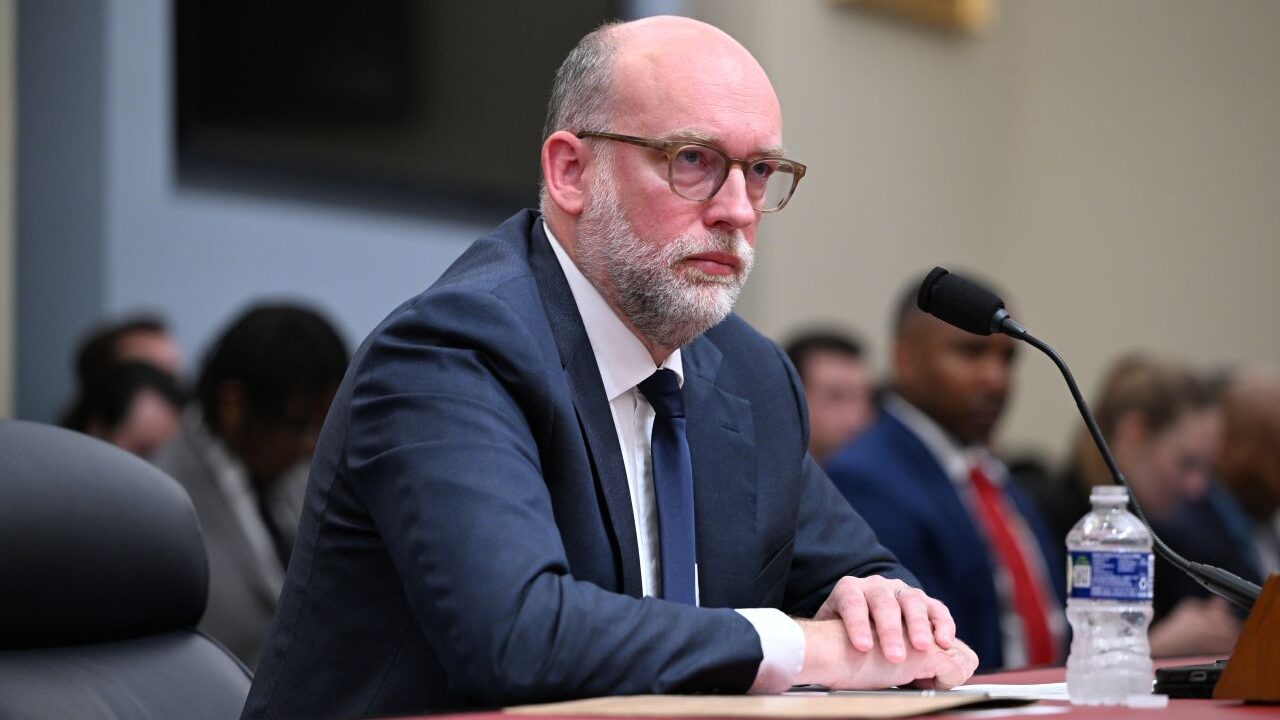
The proposal was only the latest attempt by the Office of Management and Budget, led by Russell T. Vought, to exert power over federal funding. The preamble to its sprawling new blueprint reaffirmed Vought’s view that much of the government’s ledger is riddled with spending that is wasteful, “divisive” or “woke.”
The language mirrored Trump’s past budget proposals, which Democrats and Republicans on Capitol Hill have rejected over the past year, fearing the president’s proposed cuts could undermine critical government services. Yet Trump has frequently disregarded the instructions of Congress anyway, opting to move around or outright cancel billions of dollars in congressionally approved spending.
So far, the administration has stalled or blocked aid for childcare, disaster preparedness, green energy, education, food stamps, foreign assistance, mental health, public broadcasting, research and transportation infrastructure, according to court records and public statements. In cases that date back to the early, disruptive days of the Department of Government Efficiency, judges have found that many of Trump’s actions have violated the law.
Unlawful Cuts, Says Government Watchdog Group
Cerin Lindgrensavage, a lawyer at Protect Democracy, a government watchdog, said there are still “absolutely places where, in response to Congress rejecting cuts, that OMB has implemented those cuts unlawfully.”
Her organization has sued to force the release of detailed White House budget records, which the administration previously tried to keep secret. Still, Lindgrensavage said there was a “lot in common” between Trump’s past moves and his newly proposed grant rules, which could further “risk politicizing spending across the federal government.”
The regulations, which the White House budget office aims to finalize and put into place by October, would formalize many of Trump’s past executive orders. That includes an August directive that subjected federal grants to heightened political review.
In the weeks before it proposed the new regulations, the White House appeared to foreshadow its tactics. A memo from the budget office issued in May instructed federal agencies to inventory all of the grants provided to “certain nonprofit organizations,” according to a copy viewed by The New York Times.
The memo targeted about four dozen organizations, including the American Civil Liberties Union, the National Urban League and some legal aid groups, the materials show. The White House request appeared similar to one it sent months earlier that looked to restrict money primarily to states led by Democrats.
Still, much remains unclear about how the White House might actually enact its new regulations. That includes how far it would go to apply some of its proposed restrictions that prohibit the use of federal dollars for “issue advocacy” or for “initiatives that compromise public safety or promote anti-American values.”
This article originally appeared in The New York Times.
By Tony Romm/Kenny Holston
c.2026 The New York Times Company