
|
Getting your Trinity Audio player ready...
|
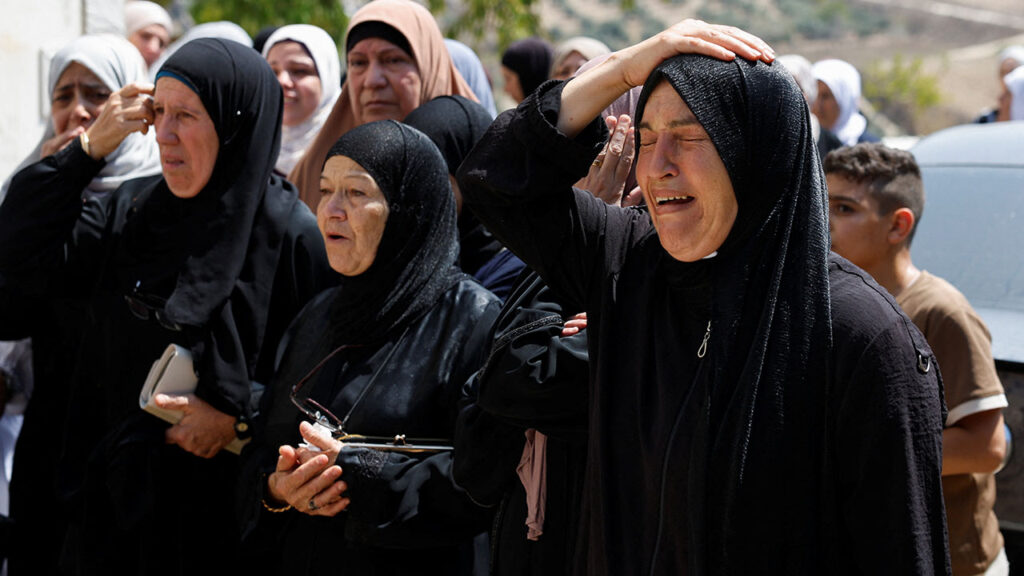
JERUSALEM — Israel said Wednesday that it would begin allowing some Palestinians to leave the Gaza Strip for Egypt “in the coming days” through the Rafah border crossing.
Such an opening would be a lifeline for Palestinians hoping to flee, particularly for the sick and wounded.
Israel’s military liaison on humanitarian affairs, widely known by its acronym, COGAT, said that the crossing would open only one way, allowing Palestinians to leave Gaza but not to return, and that it would be overseen in part by the European Union, working with Egypt and Israel.

But the Egyptian government Wednesday denied that it was currently coordinating with Israel to reopen the Rafah crossing.
Egypt’s state information service said that, according to the ceasefire agreed upon between Israel and Hamas in October, the border had to be open in both directions. In addition to allowing Palestinians to leave Gaza for Egypt, that would most likely mean that the tens of thousands of Palestinians displaced to Egypt could also begin returning home.
A spokesperson for COGAT did not immediately respond to a request for comment on the Egyptian statement.
Shortly after the October truce went into effect, Prime Minister Benjamin Netanyahu of Israel announced that the Rafah crossing would remain closed. Netanyahu later said Israel would only open the crossing once Hamas handed over all the remains of deceased Israelis and foreign nationals still in Gaza.
COGAT’s announcement about Rafah came after Palestinian militants handed over some of the last remaining captives’ bodies in Gaza, with two believed to still be there. On Wednesday, Hamas said it would hand over another body to Israel via the Red Cross.
Much about how the Rafah crossing will operate remains unclear, such as when it may reopen and how many Palestinians may be allowed to leave.
The Rafah crossing was the main route out of Gaza for Palestinians who were able to escape during the first several months of the war. It was a gateway for many seeking medical treatment abroad, although Israel has also permitted some to leave through its territory.
Israeli forces invaded Rafah in May 2024 and seized the crossing. Israel and Egypt could not agree on how to reopen the border, which trapped some sick and wounded Palestinians without access to proper medical treatment.
At least 16,500 sick and injured Palestinians still need treatment unavailable in the devastated enclave, the World Health Organization said this week.
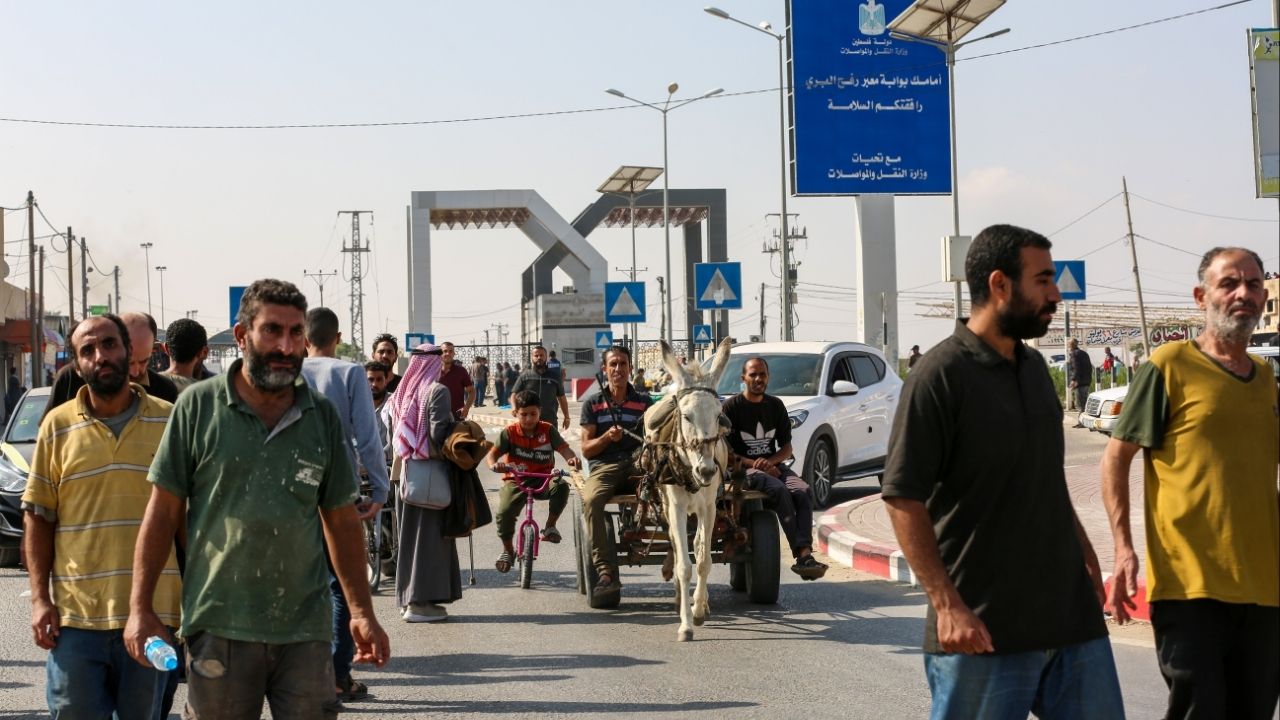
Rafah Crossing
The Rafah crossing briefly reopened in February during a ceasefire that collapsed in mid-March. At the time, the EU border monitors, as well as officers from the internationally backed Palestinian Authority, helped oversee operations at the crossing.
Throughout the war, most Palestinians have been unable to flee the Israeli military campaign for neighboring countries. Those who managed to leave often had to secure approval from Israeli and Egyptian security services.
More than 250 Israelis and foreign nationals were taken hostage during the Hamas-led attack Oct. 7, 2023, that ignited the war in Gaza. Two brief ceasefires freed more than 130 survivors, while Israeli forces rescued several others and recovered the bodies of still more.
In October, Hamas freed the final surviving 20 hostages and committed to handing over the remains of those who had been killed. Yet that process has taken time: Hamas says some were lost under rubble, while Israeli officials have accused Hamas of dragging its feet.
Two bodies — those of an Israeli and a Thai — are believed to still be somewhere in Gaza. Hamas officials, accompanied by the International Committee for the Red Cross, have been excavating parts of Gaza to find them.
If a body is found, Israeli authorities will conduct forensic testing to establish whether it belongs to one of the final two people believed to have been taken captive. On Tuesday, Hamas handed over remains that Israeli officials later said did not belong to a hostage.
—
This article originally appeared in The New York Times.
Aaron Boxerman/Samar Abu Elouf
c. 2025 The New York Times Company