
|
Getting your Trinity Audio player ready...
|
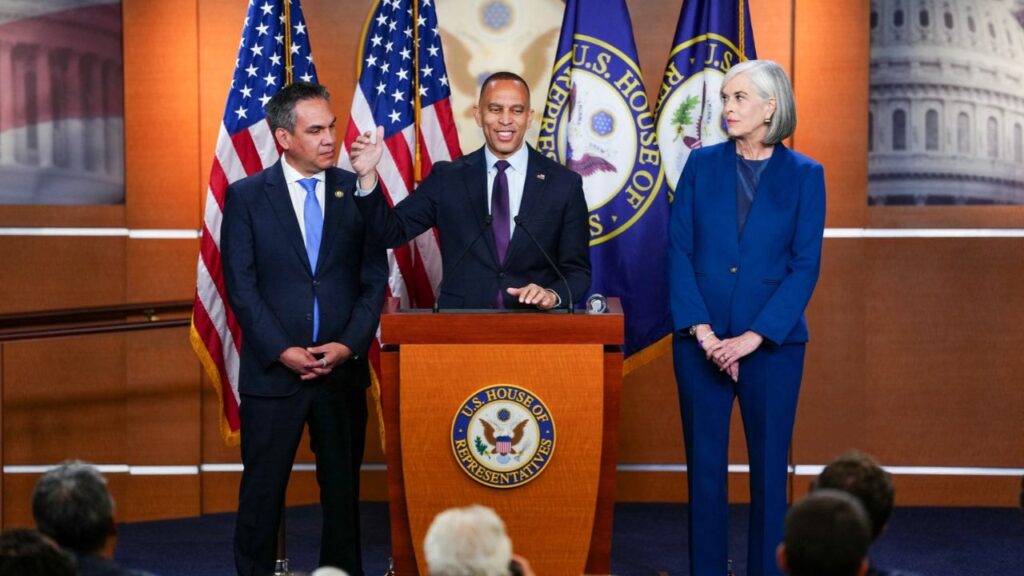
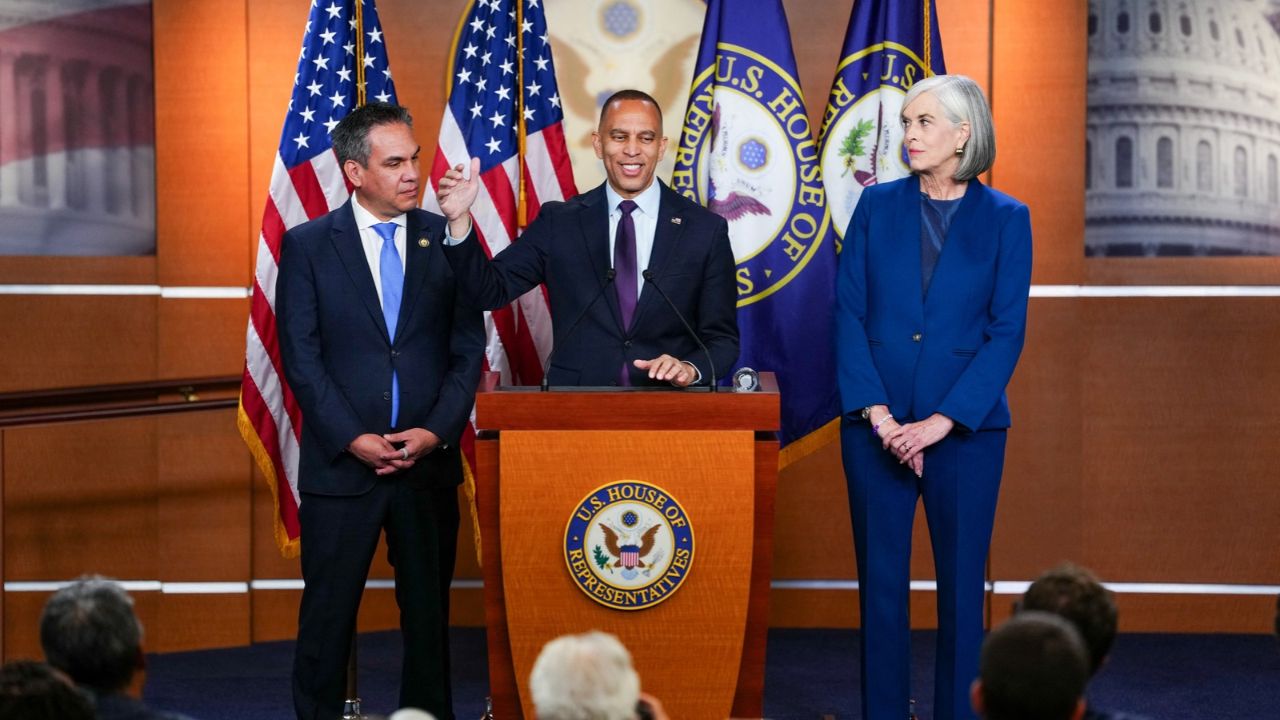
Democrats basking in their November 3 election wins will soon unveil an ambitious legislative agenda for the first 100 days and beyond, in a test of progressives’ influence and Republicans’ willingness to cooperate, as they take control of the US Congress on January 3.
That agenda is likely to be unveiled in early December once a Senate leadership race is settled.
It will mark a thunderous reversal of the past two years, when President Donald Trump’s Republicans ruled the Senate and House of Representatives. With their narrow majorities, they rammed through major tax cuts skewed toward the rich and stood by as Trump grabbed their powers over tariffs and spending.

Democrats’ new majorities in Congress are anything but narrow.
With a 56-44 majority in the Senate they are four votes short of the 60 votes needed to advance most legislation. In the House, their 257-172 force could grow beyond an 85-vote margin once a handful of races are settled.
“This is a realignment,” said Democratic Senator Raphael Warnock of Georgia in a post-election interview with reporters.
But in a warning to Democrats, veteran Republican Senator John Boozman of Arkansas said in an interview that despite his party’s losses across the United States, Trump remains “a powerful force” and “I don’t see any of his vetoes getting overridden” by Congress during his remaining two years in office.
AGGRESSIVE AGENDA
For months, Democrats have been plotting a House-Senate coordinated attack to undo Trump’s major accomplishments, according to lawmakers and aides.
With the high cost of living the top concern voiced by voters, Democratic leaders are going after the low-hanging fruit that also would help unite their party’s progressives and moderates.
Early votes are expected on legislation handcuffing Trump’s ability to wage war on Iran without Congress’ approval, which would help lower gasoline prices. Reversing Republicans’ deep cuts to Medicaid and SNAP food stamp programs would begin helping the poor meet healthcare and grocery costs.
Meanwhile, progressives have urged raising the federal minimum wage, which is unchanged since 2009 at $7.25 per hour. Some are pushing for $20 to $25.
And in response to voter disgust over Washington ethics breaches, one of the first bills Democrats are expected to present is one barring lawmakers from insider trading of stocks.
Republicans face a bind: joining Democrats could anger Trump unless he backs measures, while stonewalling could anger voters.
“I think there’s a real understanding in Congress that things like healthcare, the really exorbitant premiums, you know, that people are having to pay” must be addressed, said Boozman, who was one of the Republicans who supported around $1 trillion in cuts to Medicare, Medicaid and Obamacare programs enacted last year.
Boozman is one of the senators who would be up for re-election in 2028 and potentially open to cooperating with Democrats, although he said he would seek guidance from Trump.
‘WE NEED MORE DEMOCRACY’
Newly elected progressives, who are growing in numbers in state and local offices, have a far deeper agenda for the next two years such as cutting off aid to Israel and placing a moratorium on new AI data centers.
Their to-do list also includes revamping campaign finance rules, raising taxes on the rich, writing comprehensive immigration reform and mitigating the effects of climate change.
The incoming class of members of Congress averages about eight years younger than now in the House and 14 years younger in the Senate, according to government figures.
“We’d have to actually confront monopoly power, whether it’s in tech or whether it’s in the utility or other major industries,” said Democratic Representative-elect William Lawrence, 36, who flipped a Republican-held seat in Michigan.
“There’s a lot of talk about protecting democracy. We need more democracy in the economy,” Lawrence said.
Other complex issues, ranging from comprehensive immigration reform, and universal healthcare to more aggressive enforcement of environmental laws also populate an already-crowded Democratic wish list.
Retiring Democratic Senator Dick Durbin of Illinois said he has talked to colleagues about the need next year to tackle outdated laws governing work visas, the path to citizenship for migrants who lack papers and long-term border security steps, without some of the extreme deportation practices of the Trump administration.
“With the numbers that we have, we have to try to press forward, try to make a bipartisan 60 votes in the Senate” on comprehensive immigration legislation, Durbin said in a hallway interview.
IMMIGRATION, MEDICARE FOR ALL PRIORITIES
For years, many Republicans have argued Congress should hold off on sweeping immigration reforms until the southern US border is secured. Trump maintains that he has now accomplished that.
In 2013, a bipartisan immigration reform bill passed the Senate by a vote of 68-32, only to be killed by the Republican-controlled House at the time.
Meanwhile, moderate Democrats, who outnumber progressives in Congress, have largely shied away from the universal healthcare “Medicare for All” idea progressives demand. But in recent months it has been showing signs of gaining traction with more politicians and voters.
Senator Bernie Sanders has a proposal to phase in universal coverage over four years, beginning with lowering the Medicare eligibility age to 55, expanding dental, vision and hearing benefits, and guaranteeing coverage for all children.
Democratic Representative Chellie Pingree of Maine, first elected in 2008, expects to chair a House panel overseeing federal environmental spending in January.
“I think people are deeply worried about the rollback of clean air, clean water standards, climate change issues, also just the toxins in our environment,” Pingree said, hinting at her 2027 subcommittee agenda.
–
(Reporting by Richard Cowan; additional reporting by Ahmed Aboulenein; Editing by Michael Learmonth and Alistair Bell)