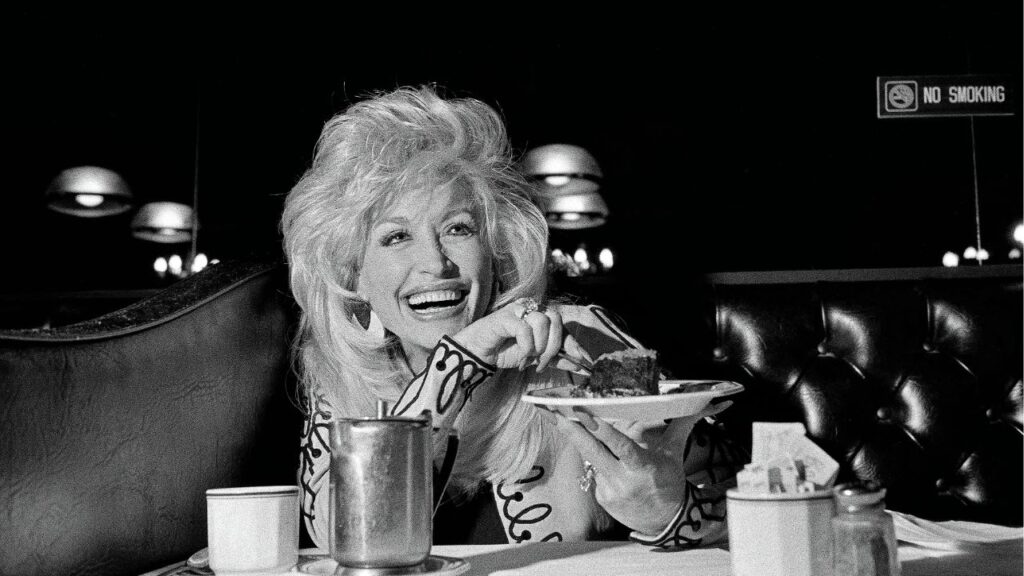

NASHVILLE, Tenn. — A feud over Dolly Parton’s sprawling estate spilled into the open Tuesday when her longtime manager accused her nephew and former security detail of threats, extortion and intimidation.
The accusations against the nephew, Bryan Seaver, were made public in a request for a restraining order. It offers a glimpse into a fight over Parton’s entertainment enterprise, which includes the Dollywood amusement park, her SongTeller hotel and Life of Many Colors museum that is set to open this month.
Seaver, who delivered the news of Parton’s death from cancer in a filmed video last month, was fired as head of security for her properties last week. In the court papers filed Tuesday, he is accused of mounting “an obscene, deliberate and escalating campaign of threats” to obtain money from the Parton estate.

In text messages included in the court papers, someone identified as Seaver issued a profane threat against at least one Dollywood business partner. He wrote that he would become “the hand of retribution for my entire family,” according to the complaint.
In an exchange Sept. 3 with a longtime lawyer of Parton’s, Seaver described himself as a “killer” and said that on the day his aunt died, he had sold $27 million in arms and ammunition to Haitian police. “Let’s have dinner…” Seaver wrote, according to a copy of the email attached to the complaint.
In a text message sent early Wednesday, Seaver denied threatening anyone associated with Parton’s estate and said his messages had been twisted to portray him as an antagonist.
“This is a contrived out-of-context explanation of how this went down and it is being done in an effort to solidify me as some sort of opposition to her brand in her legacy,” Seaver wrote, “and that is not the case.”
He said that Parton would call him “killer.”
“It was a joke we used around her camp,” he said. “I was her ‘baby boy ninja.’”
The request for a restraining order was filed in Davidson County Chancery Court in Nashville, Tennessee, by She’s Alive, a corporation responsible for overseeing Parton’s many business endeavors. It is run by Danny Nozell, her longtime manager.
A lawyer for She’s Alive declined to comment further.
Seaver and his outside security company had long overseen protection for Parton and her properties. According to the complaint, “it was important to her to employ her family members when they had skill sets compatible with her business needs.”
The proposed order would keep Seaver from the company’s properties and staff, as well as block him from having any contact with individuals that do business with She’s Alive. The company also filed a lawsuit accusing Seaver of tortious interference and seeking an unidentified amount of damages.
In his text message, Seaver — who described himself as a military contractor and international arms dealer — said that Nozell had been a longtime confidant and “best friend.” He described them as having worked together against those trying to exploit Parton’s wealth.
“I trusted Danny,” Seaver wrote, “and that’s what those messages were, two friends and brothers commiserating on the people that have screwed Dolly over for many many years.”
He noted that he was carrying out his own investigation into how her affairs were managed around the time of her death.
Parton successfully leveraged her musical prowess and stardom into a multipronged business, most notably with Dollywood, located near her hometown in east Tennessee. Even after her death, it has continued to barrel forward: In addition to the hotel and museum, a line of dolls and a coffee brand are also being introduced this month.
Seaver claimed an extensive amount of military experience and dealings abroad, according to the complaint, which was earlier reported by TMZ. It said his operation “was not a conventional office-security operation; it was a heavily armed, paramilitary-style force” with dozens of employees and access to military-grade weaponry.
That was in part why Nozell and other business associates said they had grown unsettled as Seaver began making demands, starting just before Parton’s death. One lawyer representing the Parton estate and trust quit after receiving “harassing and ominous threats” from Seaver in a phone call, according to the filing. Some staff members have resigned, it said, while others have hired private security.
Seaver told Nozell, according to the text messages, that he would “set up a podcast dedicated to ruining Dolly’s brand partnerships and telling the violations these people have done on us.”
“It’s going to be great,” Seaver wrote.
“Or pay me,” he added, punctuating the demand with an expletive.
—
This article originally appeared in The New York Times.
By Emily Cochrane and Julia Jacobs/Edward Keating
c. 2026 The New York Times Company