
|
Getting your Trinity Audio player ready...
|
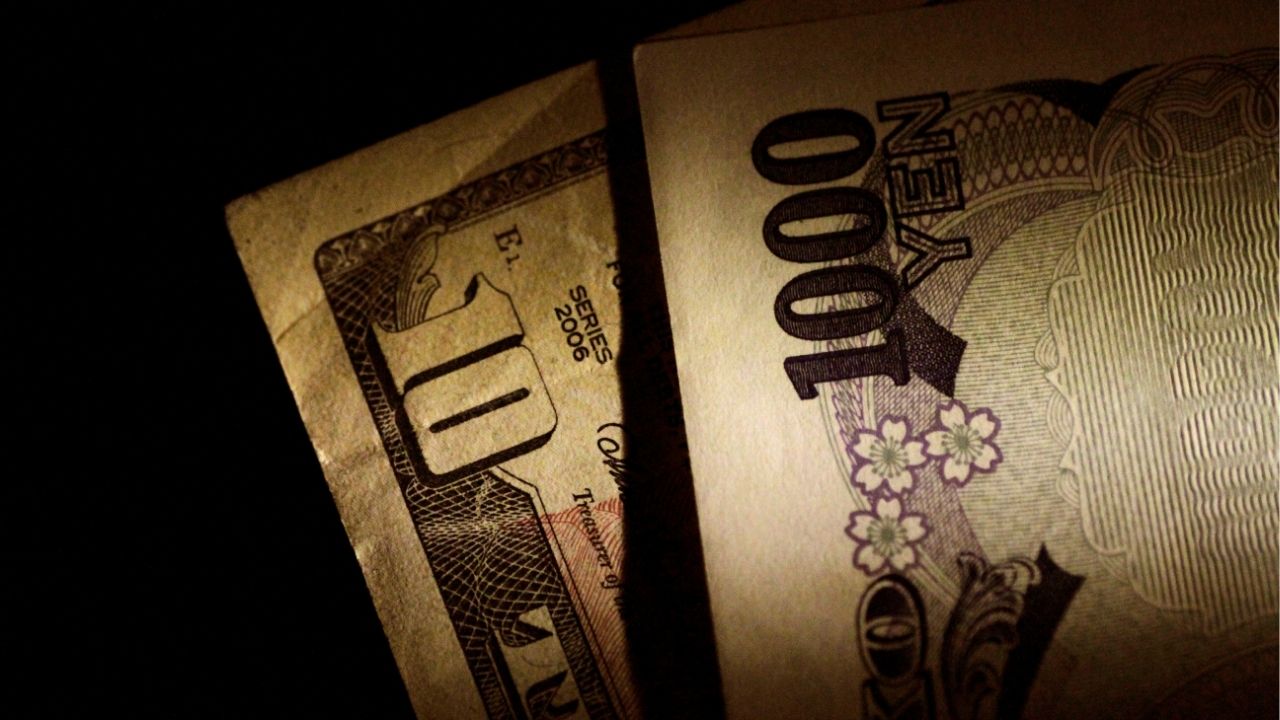
The dollar fell against the Japanese yen on Friday, with traders braced for a second round of intervention after Japanese authorities stepped in to prop up their currency a day earlier.
The dollar slipped 0.8% to 158.225 yen, a day after sinking 2.4%.
The U.S. Treasury has informed a number of banks that it may intervene in the yen market on Friday and that they should “stand ready for future action,” a source familiar with the matter told Reuters.

Japan was also receiving support from the U.S. that “goes beyond psychological support”, Japan’s top foreign exchange diplomat said on Friday.
Eric Theoret, FX strategist at Scotiabank, said it was unclear if Friday’s modest rise in the yen was a result of actual intervention, or traders reacting to the possibility of one in the near future.
“In thin liquidity, intervention can have a much greater impact. Even the mere kind of possibility that this could happen is definitely something that markets are going to respond to in a very sensitive way,” Theoret said.
Strategists at Goldman Sachs said they see intervention as an effective tool for authorities to buy some time before fundamental factors turn more positive.
“It seems likely that authorities would intervene further in coming days if the yen begins to unwind (Thursday’s) move, as was the case in May of this year,” the strategists said in a note.
The Bank of Japan earlier in the day kept short-term interest rates steady at 1% in a widely expected move.
The BOJ, which hiked rates to a 31-year high last month, said for the first time that underlying inflation could exceed its target, signaling further rate hikes from as soon as September.
BOJ Governor Kazuo Ueda said many of the board members’ inflation forecasts are fairly high, and they see risks skewed to the upside.
“We’d characterize that as a hawkish hold, in the sense that they’re very much open to tightening rates, I think, at the next meeting in September,” Scotiabank’s Theoret said.
Japan’s slow pace of rate hikes has been blamed for pushing the yen to 40-year lows below 163 per dollar recently. Most analysts polled by Reuters expect the BOJ to raise rates again to 1.25% by year-end.
Thursday’s moves resulted in spot yen trading volumes surging to their highest in 10 years on the EBS trading platform and futures trading volumes hitting their highest on record, the CME Group said.
In a rare coordinated move, South Korea also conducted dollar-selling intervention on Thursday to support its currency, a market source told Reuters.
The won, which rose to a nine-month high on Thursday, was down about 1% at 1,439.66 against the dollar.
Wave of Interest-Rate Decisions
The BOJ meeting followed the U.S. Federal Reserve’s decision on Wednesday to leave interest rates unchanged, which bruised the dollar as traders questioned whether the Fed’s new chair is serious about containing inflation.
That has added to the dollar’s pain with the greenback down 1.6% for the week, on pace for its biggest weekly fall since late January, against a basket of peers.
On Friday, it was down 0.26% at 99.807.
In Europe, the euro inched up 0.1% to $1.1535. Sterling rose 0.2% against the dollar.
The Bank of England also kept its main lending rate steady in a widely expected decision on Thursday.
In cryptocurrencies, bitcoin slipped 2% to $63,207.
(Reporting by Saqib iqbal Ahmed in New York; Additional reporting by Jiaxing Li in Hong Kong, Ankur Banerjee in Singapore and Shashwat Chauhan in Bengaluru; Editing by Yoruk Bahceli, Wil Dunham, Arun Koyyur and Jan Harvey)