
|
Getting your Trinity Audio player ready...
|
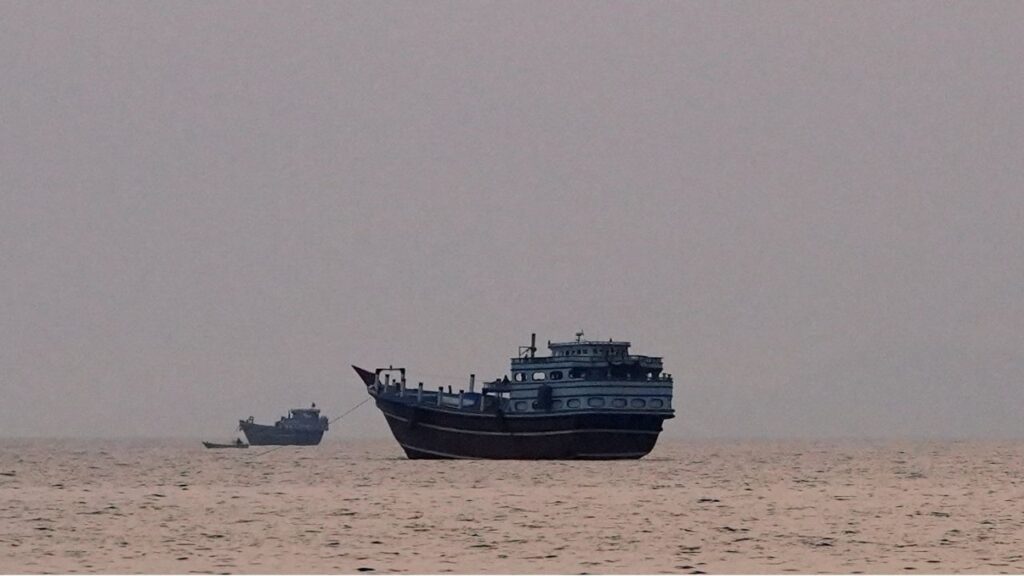
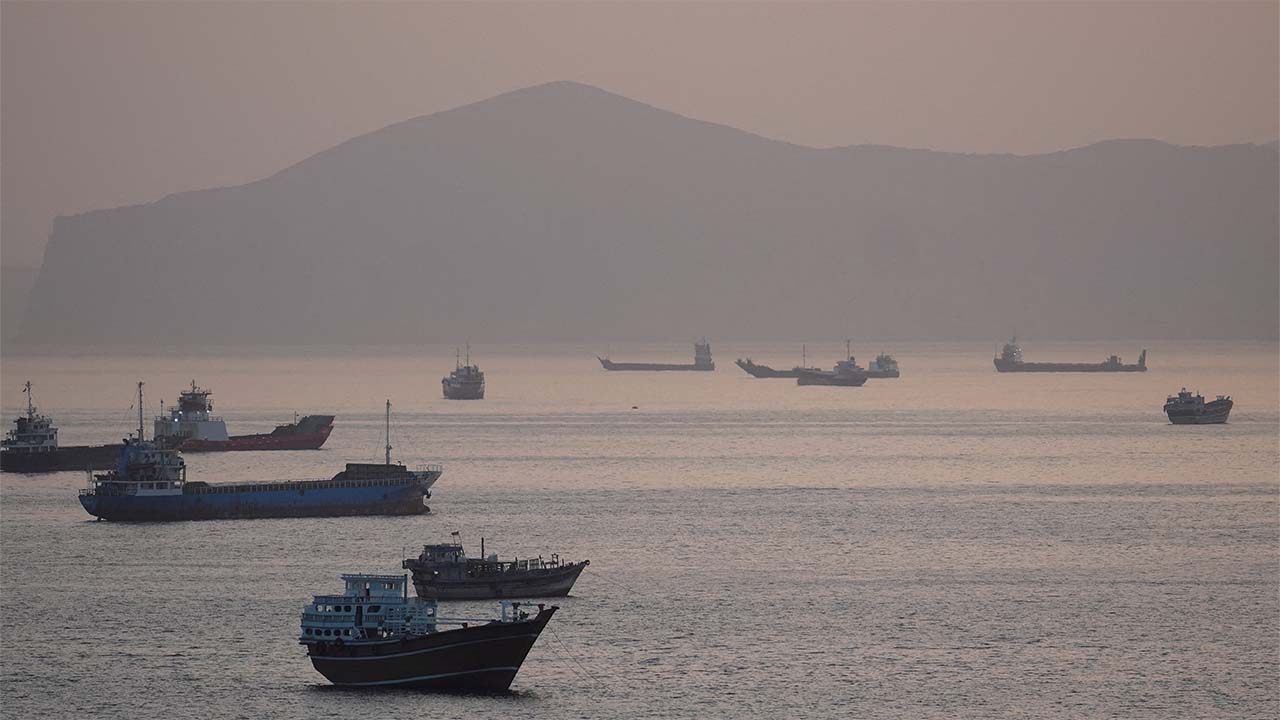
The United States and Iran traded attacks Monday, threatening further escalation, even as mediators looked to prevent a return to full-blown war in the Middle East.
The latest hostilities initially focused on the Strait of Hormuz but have since expanded, killing U.S. service members, hitting U.S. allies across the Persian Gulf and damaging critical infrastructure. The Houthis, an Iran-backed militia in Yemen, said it had imposed a blockade on Saudi ships trying to transit a waterway linking the Red Sea and Gulf of Aden, which could further pressure volatile global energy markets.
Esmail Baghaei, the Iranian Foreign Ministry spokesperson, said in a news conference Monday that mediators had sent Iran proposals for de-escalating tensions. Last month’s short-lived ceasefire collapsed after mutual recriminations over Iran’s grip over the Strait of Hormuz.

The Trump administration has been noncommittal about new negotiations, without ruling them out. Secretary of State Marco Rubio told reporters Sunday night that “if that door opens, we’ll be happy to see it open.” But he added that Iran’s “behavior has to change in order for ours to change.”
It was unclear whether the two countries could reach a compromise quickly. U.S. officials said Sunday that more warplanes were being sent to the Middle East, a sign that the U.S. military may be preparing to ramp up its attacks.
At least three U.S. troops have been killed in the Middle East since Friday, and a fourth is missing and believed to be dead. Two were killed in an Iranian missile barrage on a base in Jordan that hosts U.S. forces, while the third died during a controlled detonation of an Iranian attack drone, according to the U.S. military.
Iranian forces fired on Kuwait and Bahrain — both of which host U.S. forces — overnight and into Monday morning, the two countries said. The U.S. military said it had carried out more strikes on Iranian military sites overnight, the ninth consecutive day of attacks. At least 50 people have been killed in Iran since the ceasefire broke down, according to Iranian authorities.
Here’s What Else We’re Covering:
— Houthi blockade: Yemen’s Iran-backed Houthi rebels Monday announced a blockade on Saudi ships in the Bab al-Mandab Strait, a waterway between Yemen and Africa. Any move to disrupt shipping could affect Saudi Arabia’s ability to export oil, after it diverted exports away from the Strait of Hormuz to its Red Sea ports.
— Troop deaths: The latest confirmed U.S. military death occurred Saturday when a soldier was struck by fragments or debris from the controlled detonation of a drone in Iraq, said a U.S. official who spoke on the condition of anonymity because he was not authorized to discuss the matter publicly. The official also said that remains recovered at the scene of the Iranian attack in Jordan were believed to be those of a missing soldier.
— Aircraft deployment: Air Force F-16 fighter jets from Germany and F-35 jets from Britain were being sent to the Middle East, U.S. officials said Sunday. Additional aerial refueling aircraft were also on the way, according to the officials, who were not authorized to publicly discuss operational matters. They added that the deployment had been in the works before the recent troop deaths.
— Energy prices: Gas prices in the United States rose to $4 a gallon Monday, according to AAA motor club, reaching levels from the early parts of the war.
—
This article originally appeared in The New York Times.
By Aaron Boxerman, Yan Zhuang, Sanam Mahoozi and Ismaeel Naar
c. 2026 The New York Times Company