
|
Getting your Trinity Audio player ready...
|
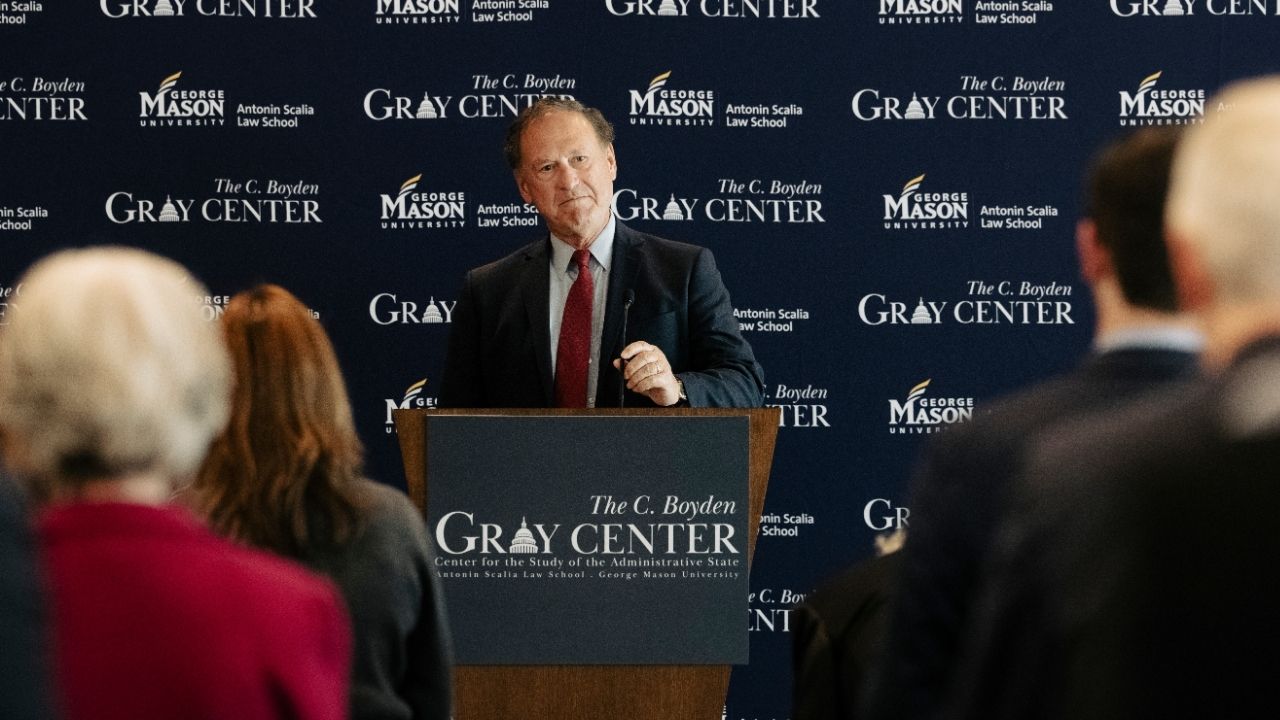
NPR on Tuesday retracted an article that said that Samuel Alito, an associate justice of the U.S. Supreme Court, had retired.
The article, written by veteran Supreme Court reporter Nina Totenberg, said that Alito had announced his retirement. He has made no such announcement about his role, and a Supreme Court spokesperson on Tuesday called NPR’s article “inaccurate.”
By midmorning Tuesday, the article had been replaced with a brief editor’s note: “Earlier today we erroneously published a story saying that Supreme Court Justice Samuel Alito was retiring. He has not announced his retirement and we have retracted the story.”

NPR’s error on Tuesday came on a frenzied day at the Supreme Court, which released a spate of major decisions. Media outlets swarmed to cover the rulings, including a rejection of President Donald Trump’s executive order on birthright citizenship, a decision allowing states to bar transgender athletes from girls’ sports, and another lifting spending limits on political parties.
Though NPR issued its retraction quickly, the article was nonetheless published on other public radio member sites that syndicate the network’s coverage. The retraction on NPR’s site caused a chain reaction across the country, causing those stations to remove the article and issue their own retractions.
NPR’s reporting was quickly cited elsewhere in the news media. Vox pulled a story originally titled “Justice Alito does one last favor for the Republican Party,” citing “inaccurate reporting from another outlet.” Bloomberg flashed the news to its terminal subscribers, attributing it to NPR, then sent more flashes within minutes flagging the Supreme Court’s denial and NPR’s retraction.
Thomas Evans, NPR’s editor-in-chief, said in a statement that the article was published because of a “misunderstanding.”
“Neither Justice Alito nor the Supreme Court Public Information Office has announced his retirement,” Evans said. “As soon as the error was realized, the story was retracted and removed from NPR’s website and an on-air correction was broadcast.”
Evans said in the statement that Totenberg would appear on the radio program “All Things Considered” on Tuesday afternoon to explain what had happened and that she had reached out to Alito to apologize.
The article went through an extra layer of editing, known at NPR as “the backstop,” according to two people familiar with the process. NPR added that layer in 2024 as a final line of defense against errors before publication. But because the article cited an announcement, rather than confidential sources, the network did not take additional steps to verify the accuracy of the information, the people said.
The article, which was more than 1,000 words, was a retrospective on Alito’s career. It focused on his majority opinion for the 2022 case that overturned Roe v. Wade, the landmark abortion-rights case. Calling Alito “a consequential conservative,” the article said that Alito had played a key role on the court on issues including religious and voting rights.
Totenberg, who has been covering the Supreme Court for more than 40 years, has drawn attention in the past because of her close ties to justices, including Justice Ruth Bader Ginsburg. Totenberg published a book about their friendship in 2022.
NPR’s public editor concluded after its publication that the network should consider changing Totenberg’s title to “legal commentator” from “legal affairs correspondent.” In response, NPR’s top editorial and business leaders issued statements defending her. She said that she had answered questions about her relationship with Ginsburg in her book.
—
This article originally appeared in The New York Times.
By Benjamin Mullin/Haiyun Jiang
c. 2026 The New York Times Company