
|
Getting your Trinity Audio player ready...
|
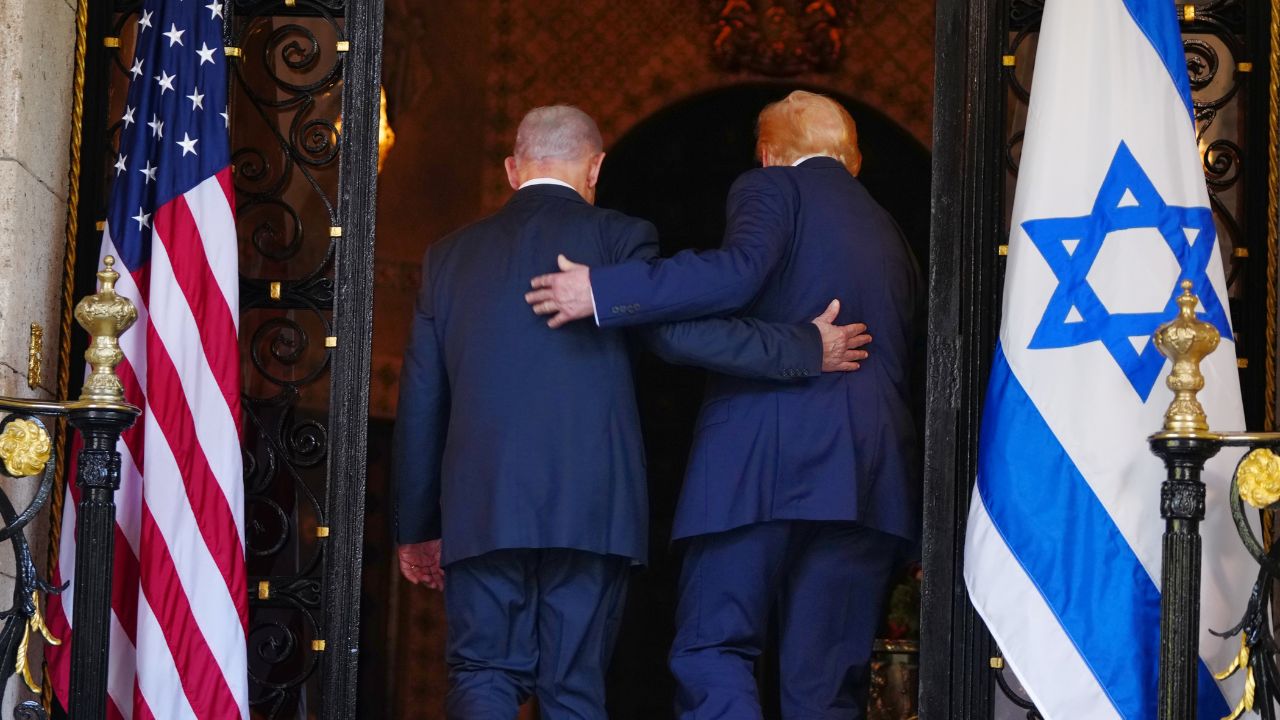
WASHINGTON — Recent U.S. intelligence reports have raised concerns about Israeli spy agencies eavesdropping on U.S. negotiators working on a peace deal with Iran, amid rising concern over a more general counterintelligence threat by Israel.
Israel and the United States have long known, and tolerated, that each was spying on the other. But an intensified Israeli effort to learn about U.S. positions in talks with Iran has crossed a line, according to some U.S. officials.
The reports include concerns that Israel has stepped up its efforts to eavesdrop on senior U.S. officials, including Steve Witkoff, President Donald Trump’s top negotiator; Elbridge A. Colby, the Pentagon’s top policy official; and one of his main deputies, Michael P. DiMino IV.

Another report, written by the Defense Intelligence Agency and other military intelligence offices and focused on earlier events going back several years, said that the counterintelligence threat level posed by Israel had been increased in recent weeks to the top level, from high to critical. The report, to which the Defense Counterintelligence and Security Agency contributed, outlines various efforts by Israel to spy on U.S. military personnel and government officials.
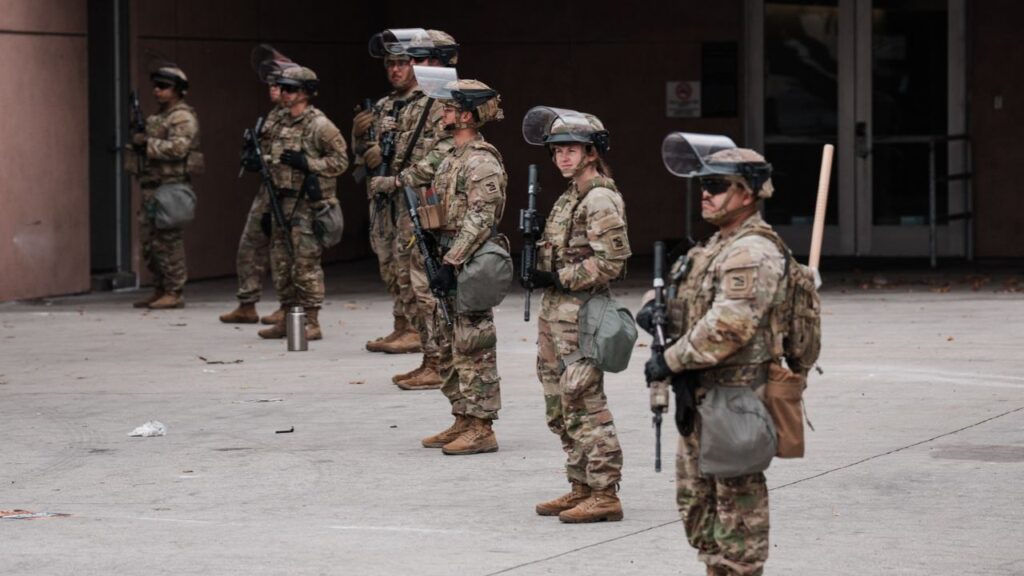
The reports and the intensified concern about Israeli spying come at an especially sensitive time. Israel and the U.S. have been fighting the war against Iran together and have never had such close military coordination as they do now, with Israeli military officers working side by side with their American counterparts at U.S. Central Command.
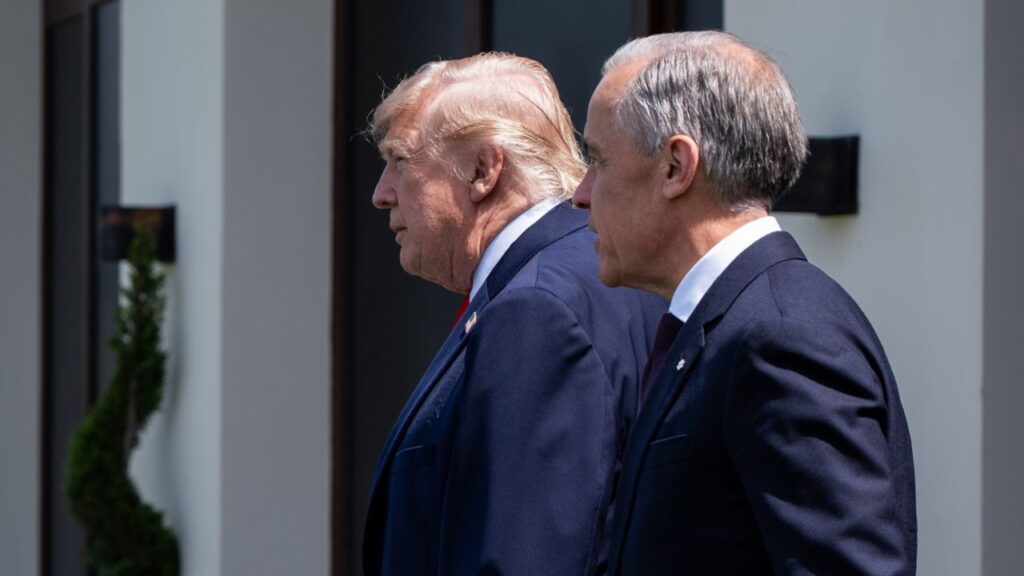
The U.S. military is sharing huge amounts of tactical and operational information with its Israeli counterparts. But senior U.S. officials said that Israel is looking for insights into Trump’s strategy and shifting stances on the peace talks.
The new warning could potentially complicate efforts to further integrate military war planning between U.S. Central Command and Israel, especially if the Pentagon makes a decision to place new restrictions on information shared with Israeli officers.
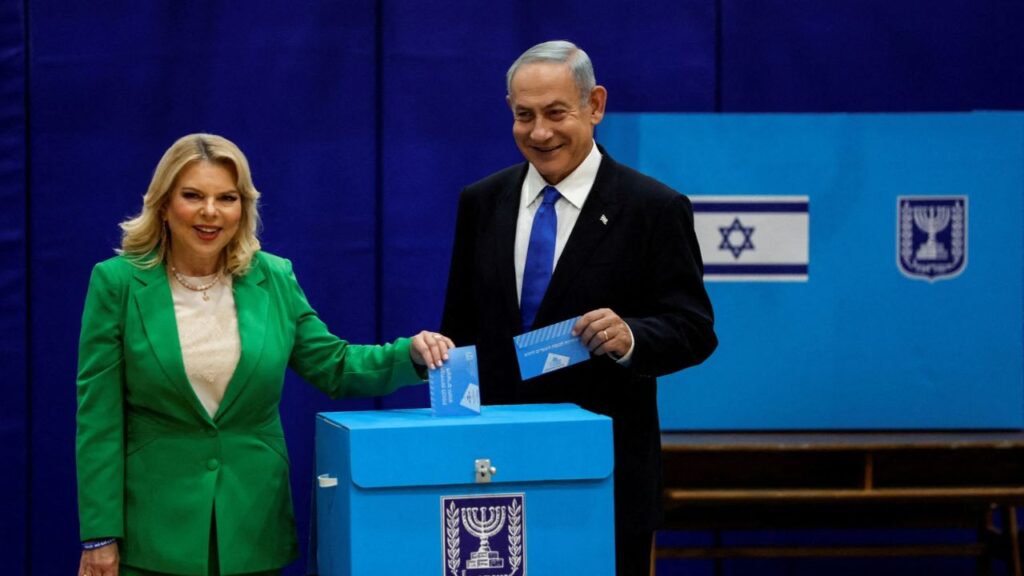
There has already been tension between the two nations as Trump pursues a peace deal even as Prime Minister Benjamin Netanyahu of Israel seeks to further degrade Iran’s capabilities, weaken or topple its theocratic government and assault Tehran’s proxy in Lebanon, Hezbollah.The DIA report was drafted after incidents in which U.S. defense personnel in Israel detected that software to tap their communications had been surreptitiously installed on their phones.
The Defense Department declined to comment. A White House official, speaking on the condition their name not be used, said the account was false.
A spokesperson for the Israeli Embassy in Washington also disputed claims that Israel poses a counterintelligence threat, saying that Israel does not spy on U.S. officials or entities.
The developments were described by several current and former U.S. officials, speaking on the condition of anonymity to discuss sensitive intelligence matters.
They said that in some respects, the counterintelligence warning is no surprise. Israel has long engaged in aggressive intelligence collection operations against its enemies and its allies, as does the United States.
Still, Israel’s counterintelligence threat level is now higher than any other ally and higher than some adversarial countries. Of U.S. allies, only South Korea, which is rated at high in certain situations, approaches the concern with Israel’s espionage efforts, the officials said.
The aggressiveness of the Israeli intelligence collection on top U.S. officials during the second Trump administration has been “unhinged,” one senior official said.
Two senior U.S. military officials said that U.S. personnel, particularly those serving in Israel or with Israeli counterparts, were well aware of the counterintelligence risks before the new report.
The officials, who spoke on the condition of anonymity to discuss internal assessments, said U.S. personnel employ a range of security procedures and protocols to help counter the threat and to protect their cellphones and other electronic devices, especially while traveling in Israel, but declined to describe those measures in detail for security reasons.
Cooperation between the two militaries is very close, but each side also needs to keep its most sensitive information secret.
At the U.S.-led Civil-Military Coordination Center in Kiryat Gat, Israel, for instance, U.S. and Israeli military and diplomatic personnel work side by side to enforce the Gaza ceasefire and facilitate humanitarian efforts. But the building also has a U.S.-only floor and an Israeli-only floor where personnel from each country can discuss the most sensitive topics.
The report says counterintelligence incidents began increasing in late 2024, as the Biden administration pressed Israel to curb its attacks on Gaza, and continued into 2025, as the Trump administration weighed options to attack Iran.
The report, which incorporated contributions from a number of military intelligence agencies, also details several episodes in recent years. In 2021, Israeli military intelligence officers were caught planting listening devices at DIA headquarters. Last year, officers from Shin Bet, Israel’s domestic intelligence agency, were discovered to have tried to plant a listening device in a Secret Service vehicle.
While the DIA document does not explicitly discuss the peace negotiations, other recent intelligence reports have raised concern about Israelis listening to Witkoff and other top negotiators as they try to reach a long-term agreement for a peace deal between the U.S. and Iran.
The tendency of some senior Trump administration officials to fly on private aircraft, to conduct national security business on their personal phones and to reject staffing from U.S. embassies abroad made them especially vulnerable targets for the spy services of allies and adversaries alike, said a former senior U.S. official who has dealt extensively with Israel.
Other current officials also acknowledged the use of personal cellphones by top U.S. officials has made them easy targets for eavesdropping.
U.S. and Israel were largely aligned at the beginning of the war with Iran, with Trump endorsing Netanyahu’s long-sought goal to push the theocratic government from power. But the war aims quickly diverged, as the United States focused more on trying to erode Iran’s military capabilities to force concessions at the bargaining table, while Israel hoped the Iranian hard-line government would lose its grip on power.
—
This article originally appeared in The New York Times.
By Julian E. Barnes and Eric Schmitt/Tierney L. Cross
c. 2026 The New York Times Company