
|
Getting your Trinity Audio player ready...
|
Americans are still spending, even as the war with Iran pushes up prices for nearly everything.
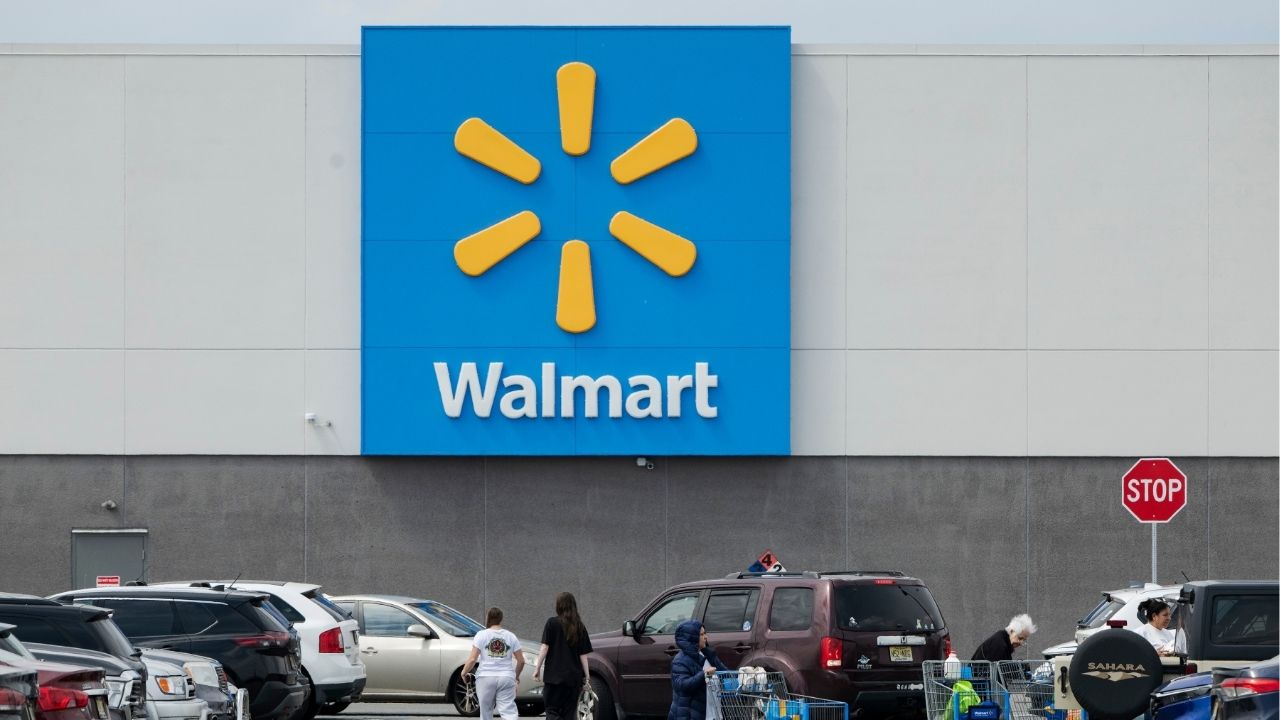
On Thursday, Walmart, the nation’s largest retailer, reported solid growth in sales and profit. A day earlier, Target reported its best quarterly sales in nearly five years, and TJX, the parent of cut-price retailer TJ Maxx, said its latest sales came in “well above” the company’s plan. The retailers’ results followed similarly strong reports from McDonald’s, Lowe’s and other major chains.
But despite the relatively strong earnings, changes in what people are buying — and who is doing the buying — were potentially worrisome signs for the long-term health of the U.S. economy.

At McDonald’s, sales were driven by value meals. Target slashed prices on thousands of items. Walmart noted that sales continued to be driven by low-price own brand goods and higher-income households trading down to stretch their budgets.
In the three months through April, same-store sales for Walmart’s U.S. operations grew 4.1% from the same period last year; foot traffic and the amount shoppers spent per visit increased. That was in line with what analysts expected but was a slightly slower pace than in previous quarters.
Operating profit at Walmart, which also owns the Sam’s Club chain, rose about 5% in its latest quarter. It would have been higher if not for a jump in fuel costs that the company said it largely absorbed instead of passed on to customers through higher prices.
This year, Walmart executives have emphasized prudence amid an uncertain economy and the struggles of lower-income households, which are starting to pull back on discretionary spending and increasingly relying on credit cards to get by. The personal savings rate is the lowest it has been since 2022.
The war has choked off a huge amount of energy products that would otherwise move through the Strait of Hormuz, a narrow passageway in the Persian Gulf through which a fifth of the world’s oil normally travels. The ripple effects have begun to raise the prices of everyday items, too.
U.S. consumer prices were up 3.8% in April from a year earlier, the fastest pace of inflation in nearly three years, driven by rising energy prices. Wholesale prices rose in April at their fastest rate in four years, indicating that higher prices are trickling through supply chains.
Paychecks are not keeping up with prices, with average hourly earnings, adjusted for inflation, falling 0.5% in April. Gauges of consumer sentiment have recently plunged to record lows.
“While consumers have proven to be resilient so far, sentiment has been declining recently,” Jim Lee, Target’s chief financial officer, said on a call with analysts Wednesday. “We’re keeping a close eye on their spending behavior,” he added, noting that the effect of higher tax refunds would fade over time, removing a source of support for spending.
Despite Target’s better-than-expected earnings for the first quarter, the company’s share price dropped nearly 4% Wednesday as investors fretted about the outlook for the rest of the year.
Shortly before the war began in February, Walmart’s leadership issued an unenthusiastic profit forecast amid a fragile job market and unpredictable trade policies.
“We believe it’s prudent to start the year with a level of conservatism, given the backdrop is still somewhat unstable,” John David Rainey, Walmart’s chief financial officer, said in an earnings call that month.
On Thursday, Walmart left its full-year forecast unchanged. Its shares fell in early trading.
—
This article originally appeared in The New York Times.
By Emmett Lindner/Karsten Moran
c. 2026 The New York Times Company