
|
Getting your Trinity Audio player ready...
|
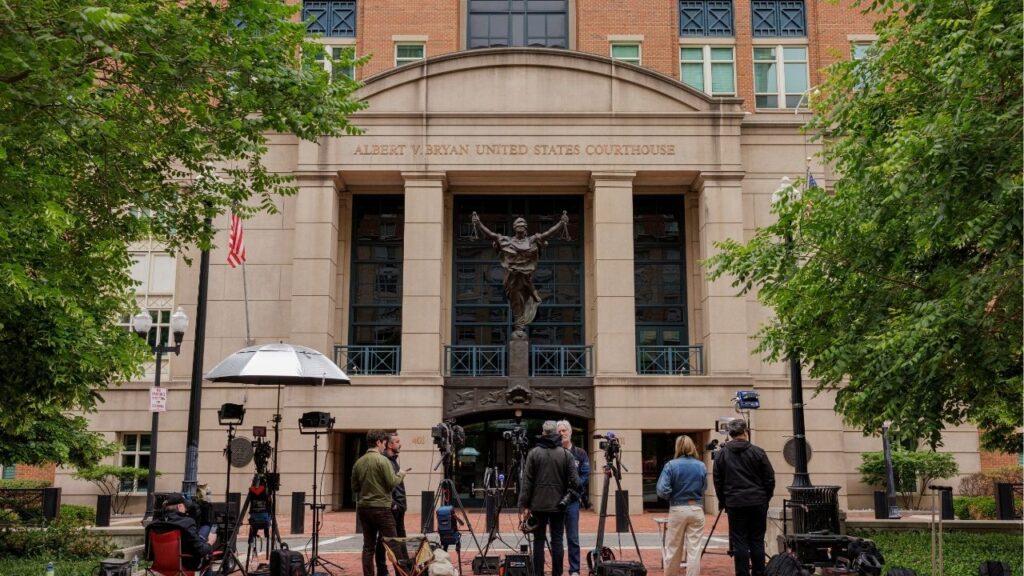
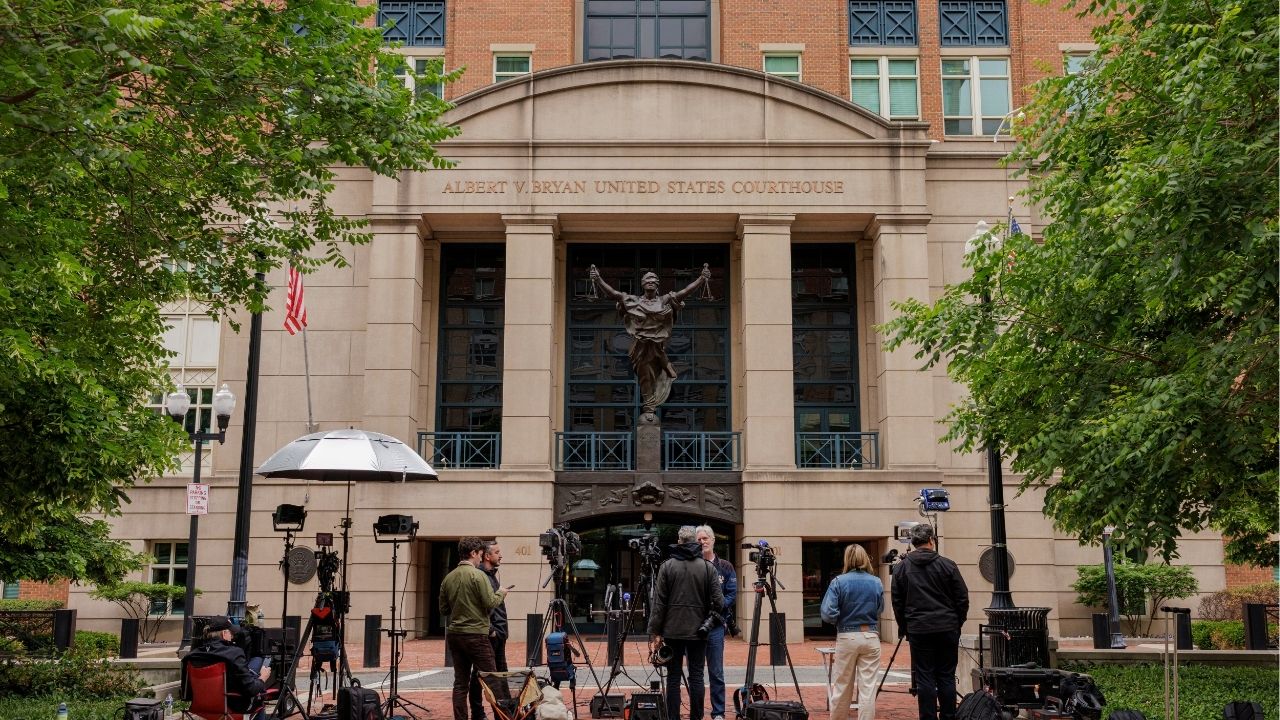
ALEXANDRIA, Va. — James Comey, the former FBI director, made his first court appearance Wednesday after being charged over a photograph of seashells he had posted on social media that the Justice Department branded a serious threat to President Donald Trump.
Comey, a longtime critic of Trump, appeared in federal court in Alexandria, Virginia, for a brief, largely procedural appearance before a judge. He was indicted Tuesday by a federal grand jury in North Carolina on two counts: making a threat against the president and transmitting a threat across state lines.
Usually, after defendants turn themselves in to face charges in another state, they appear before a judge, who describes the counts they face and hear preliminary arguments over whether they should be detained. Comey is expected to appear in court in North Carolina at a later date.

In U.S. District Court in Virginia, Comey was seated at the defense table wearing a dark suit over a blue dress shirt, flanked by his two lawyers, Jessica Carmichael and Patrick Fitzgerald.
Comey did not speak before the magistrate judge, William E. Fitzpatrick, but nodded along as he was reminded of his rights and the charges against him. The judge addressed mainly administrative matters, including the conditions of Comey’s release, during which he referenced the last time Comey appeared at the federal court in Alexandria.
“I don’t think conditions of release are necessary,” Fitzpatrick said, shaking his head. His tone and manner were brusque. “They weren’t necessary last time,” he added, referring to the Justice Department’s first bid to bring charges. “They are not necessary this time.”
Fitzgerald was the only one who spoke for Comey and noted to the court that they would be claiming a “vindictive and selective prosecution.” The hearing was over in under 10 minutes.
The charges against Comey stem from a social media post he shared nearly a year ago, of seashells arranged in sand to form the numbers “86 47.” The phrase is often used by protesters to call for Trump, the 47th president, to be ousted from office.
Members of the administration and Trump’s defenders seized on the post from Comey, describing it as a call to kill the president. Prosecutors reiterated that argument in a three-page indictment, asserting that “a reasonable recipient who is familiar with the circumstances would interpret” the message “as a serious expression of an intent to do harm to President Trump.”
Comey denied that the post’s message was violent and took it down.
Last year, Comey was indicted by a grand jury in Virginia on charges of lying to Congress. He pleaded not guilty, but a federal judge dismissed the charges after ruling that the prosecutor assigned to bring the charges, Lindsey Halligan, had been appointed unlawfully.
—
This article originally appeared in The New York Times.
By Aishvarya Kavi/Jason Andrew
c. 2026 The New York Times Company