

|
Getting your Trinity Audio player ready...
|
This commentary was originally published by CalMatters. Sign up for their newsletters.
Watt Avenue is one of several Sacramento County streets named for famous inventors, in this case James Watt, father of the steam engine.
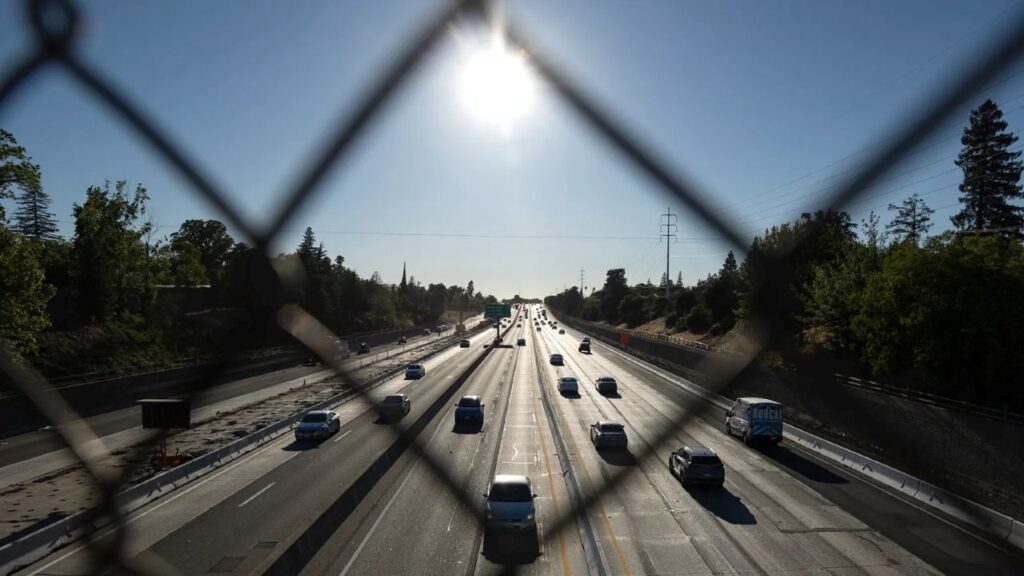
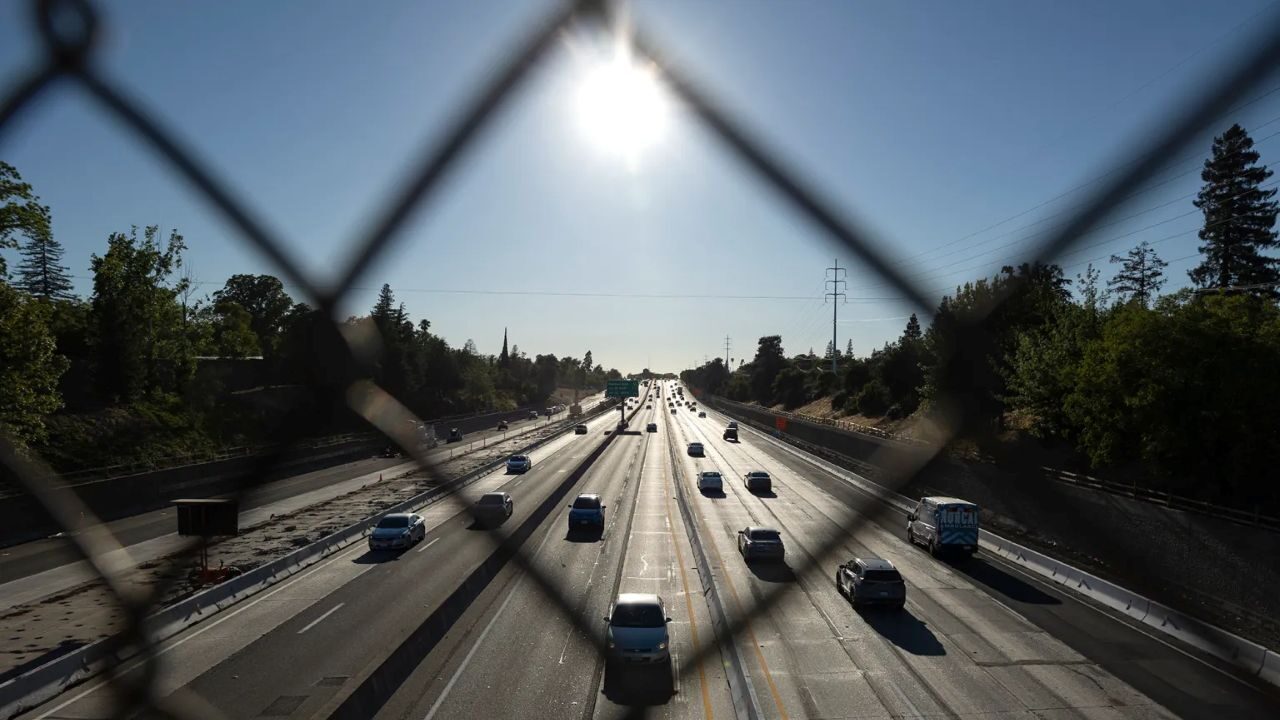
Watt Avenue is also one of the county’s busiest and most important arterials, with nearly 100,000 vehicles a day crossing its bridge over the American River.

The north-south route runs for nearly 30 miles, including a small extension with a different name. It has one of Sacramento’s few river crossings and is the only direct connection between two major east-west freeways, Interstate 80 and Highway 50.
Therefore, Watt not only serves local traffic but carries many heavy trucks, including a steady stream of county-owned semis carrying garbage from a transfer station to a landfill.
Not surprisingly, Watt’s heavy load of traffic has a tendency to beat up its asphalt surface. The county occasionally resurfaces some stretches, but Watt remains one of the region’s rougher rides.
Sacramento County’s street and road conditions are not the worst in the state, but they are markedly below those of all counties combined, a 2023 study commissioned by local governments found — as Watt’s bumpy surface attests.
What Are We Getting for These High Taxes?
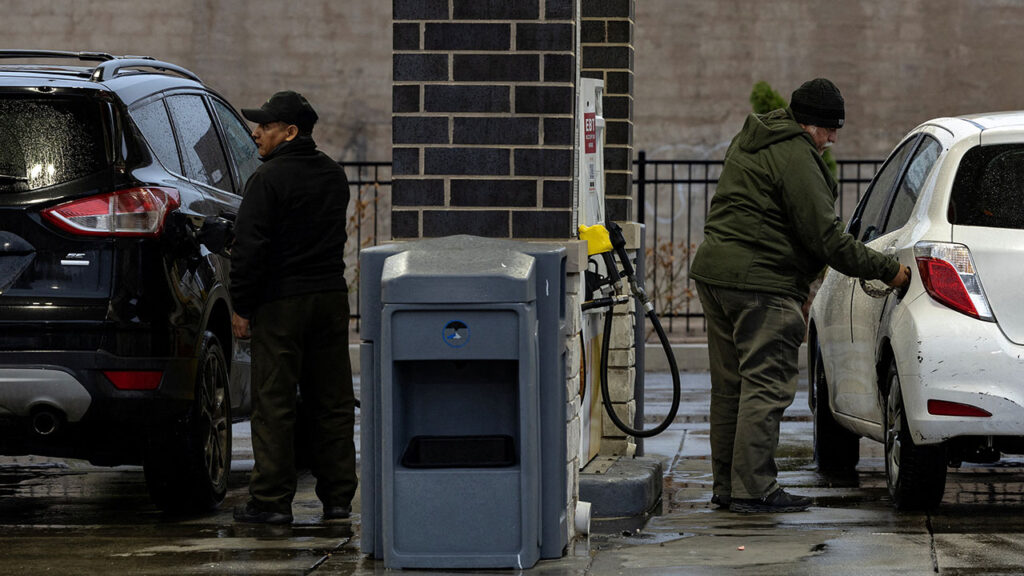
We Californians pay the nation’s highest taxes, including various fees, on fuel for our vehicles, about 90 cents a gallon, and a hefty chunk of that is parceled out to local governments for roadway maintenance.
April is the month when state and local governments expect us to pay for the privilege of being Californians. April 10 is the deadline for paying semi-annual property taxes without penalty, and April 15 is the deadline for filing federal and state income tax returns.
It is, therefore, an appropriate time for weighing whether the taxes we Californians pay — not only those on property and income, but throughout the year on sales and fuel — buy satisfactory levels of service.
The Washington-based Tax Foundation, in a new report, pegs Californians’ state and local tax burden at 13.5% of personal income, or $10,167 a person — fifth highest in the nation. That’s roughly $400 billion in taxes that those we elect to office have to spend each year.
Whether we consider our return on that investment to be adequate is probably as individual as our fingerprints. But WalletHub, a website that researches personal finance issues, recently attempted to calculate it objectively. California gets the nation’s second lowest score, eclipsed only by New Mexico. New Hampshire scored the best, followed by Florida.
California’s Mediocre Services
WalletHub’s research team calculated tax revenue per adult for each state and compared it to five categories of government services: education, health, public safety, economy and infrastructure combined with pollution.
California’s services were rated as mediocre, 37th overall, with low scores for public safety, economy, infrastructure and pollution. However, the state’s high level of taxation, mirroring the Tax Foundation’s data, sank its return on investment to near the bottom.
No matter how politicians frame it, we Californians are paying some of the nation’s highest taxes. And they could go even higher this year, as dozens of local governments ask their voters to raise sales taxes, promising better services in return, and as tax increase measures await voters’ decisions in November.
Despite the tax load, the state is dealing with multibillion-dollar budget deficits, due to overspending its revenues, and legislators are being pressed to cover the shortfalls with new corporate taxes.
Return on investment is almost never discussed. But it should be kept in mind as we contemplate pending tax measures and elections for governor and other statewide, local, legislative and congressional offices this year.
High taxes should bring us smooth roads, effective police and fire services, high levels of education, reliable water supplies and other efficient returns on our investment, which residents of New Hampshire and Florida apparently enjoy.
This article was originally published on CalMatters and was republished under the Creative Commons Attribution-NonCommercial-NoDerivatives license.