



|
Getting your Trinity Audio player ready...
|
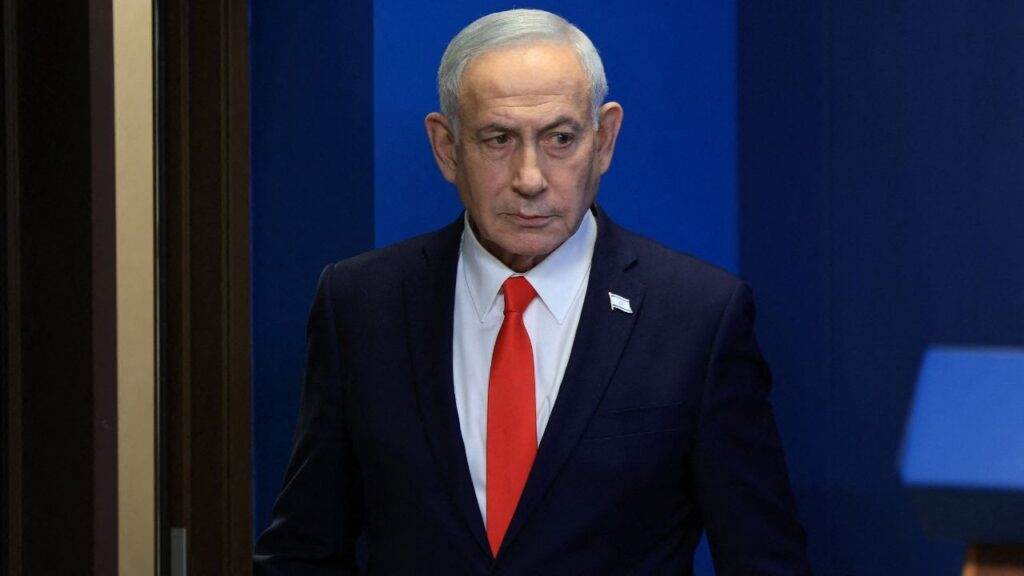
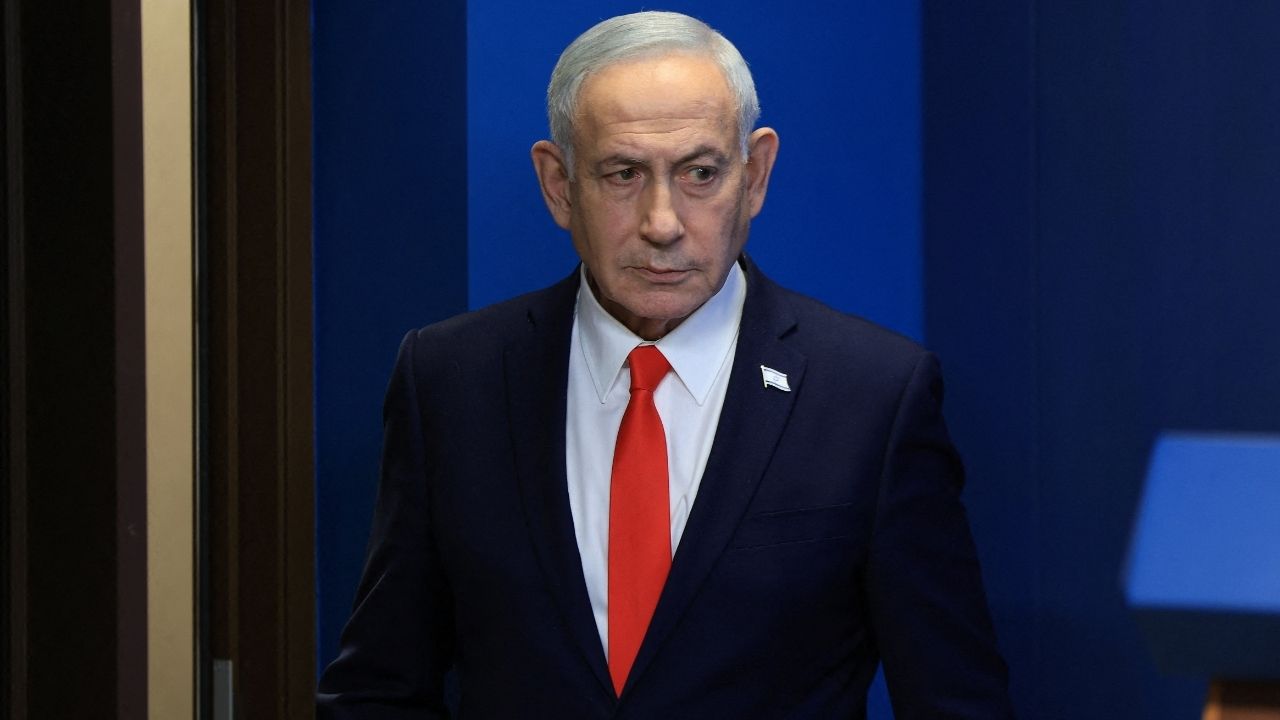
JERUSALEM — The judges presiding over the long-running corruption trial of Israeli Prime Minister Benjamin Netanyahu said Wednesday that the attorney general should consider dropping one of three cases against him, in which he was charged with bribery.
The judges, who will ultimately decide Netanyahu’s fate, also questioned whether any offense had been committed in another of the cases. The move dealt a blow to state prosecutors and bolstered Netanyahu’s position in a trial that has dragged on for six years and divided the country.
The country’s attorney general, Gali Baharav-Miara, was summoned to attend the hearing at the Jerusalem District Court on Wednesday and is the only one with the authority to make decisions on whether or not cases should proceed.

Baharav-Miara told the court that she and her team would take the judges’ suggestions under consideration and was open to all options, based on the evidence, according to a transcript provided by a Justice Ministry spokesperson.
Netanyahu Indicted in 2019
Netanyahu was indicted in 2019 on charges of bribery, fraud and breach of trust in three separate but interlocking cases. They center on claims that he granted regulatory favors and diplomatic support to business tycoons in exchange for gifts and sympathetic media coverage for him and his family.
Israel’s longest-serving prime minister, Netanyahu, a conservative, has denied any wrongdoing, claiming to be the victim of a witch hunt by a liberal deep state. He and his supporters have long insisted that the cases would collapse in court.
“Today, the trial has fallen,” Netanyahu said in a televised statement hours after the hearing Wednesday, adding that it “must end immediately.”
“It took 10 years for that truth to be revealed to all,” he said, referring to the beginning of the investigation into his conduct a decade ago. He described the judges’ remarks Wednesday as “a ray of truth and justice.”
Fraught Political Moment for Israel
The judges’ comments come at a fraught political moment for Israel. National elections last month left Netanyahu battling for his political future after he and his allies failed to win a majority of seats in parliament. His chief political rival, Gadi Eisenkot, a former military chief and centrist, has been granted the first chance to try to form a new government by Israel’s president.
Netanyahu’s indictment and trial set off years of political instability as most mainstream parties refused to sit in governing coalitions with him, saying he was unfit for office.
Netanyahu finished testifying in his trial in June, leading the judges to take stock of where the proceedings stood, they said.
The judges emphasized that their remarks were based on their impressions of the cases and did not constitute a verdict. If the cases proceed, these judges would render an official decision, unless there’s a plea deal.
They said it would be difficult to prove the charges of bribery and conflict of interest in the case known as “4000” involving a telecommunications mogul. He is accused of allowing Netanyahu and his associates to shape coverage on a news website he owned in the hope that Netanyahu would help him with various business interests.
The chances of conviction in that case were low, the judges said.
In another case, involving an alleged backroom deal between Netanyahu and the owner of a popular daily newspaper, which never came to fruition, the judges said they had serious doubts from the evidence presented that any offense had been committed.
Fraud, Breach of Trust Case Appears Stronger
The judges said it was possible to move toward conclusion in a third case, in which Netanyahu is accused of fraud and breach of trust.
Prosecutors said he had accepted nearly $300,000 in illicit gifts, including cigars and Champagne, between 2007 and 2016 from Arnon Milchan, a film producer, and James Packer, an Australian billionaire. Prosecutors said that, in return, Netanyahu tried to help extend a tax exemption for Milchan and to use his influence to help Milchan renew his U.S. visa.
Baharav-Miara said the options in that case were either a verdict or a plea deal.
A year ago, Netanyahu formally requested a pardon from Israeli President Isaac Herzog with the backing of President Donald Trump. Herzog instead offered to initiate a mediation process to reach a plea deal.
Baharav-Miara expressed readiness for talks. Netanyahu’s representatives did not respond to Herzog’s offer, the president has said.
—
This article originally appeared in The New York Times.
By Isabel Kershner
c.2026 The New York Times Company