


|
Getting your Trinity Audio player ready...
|
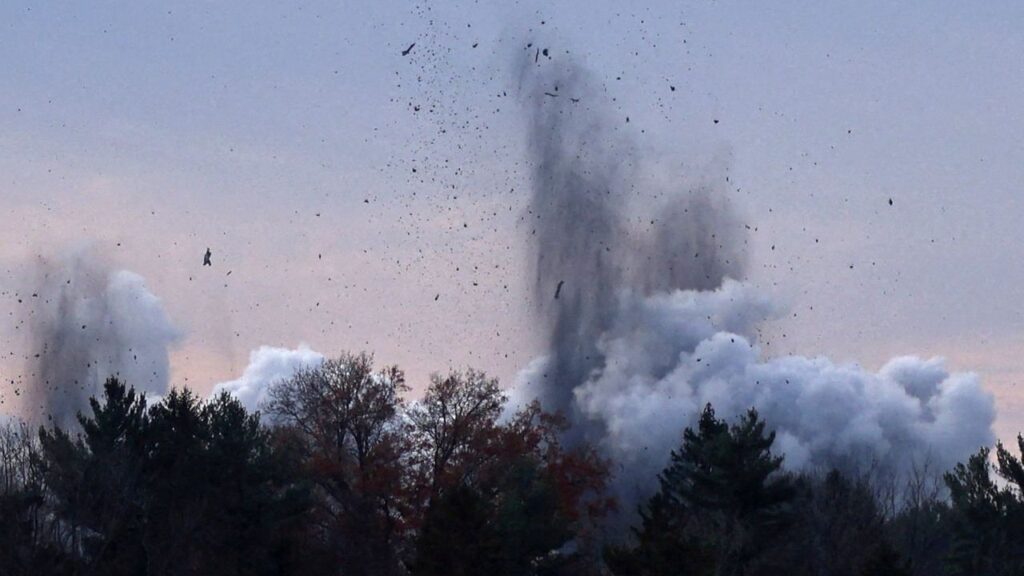
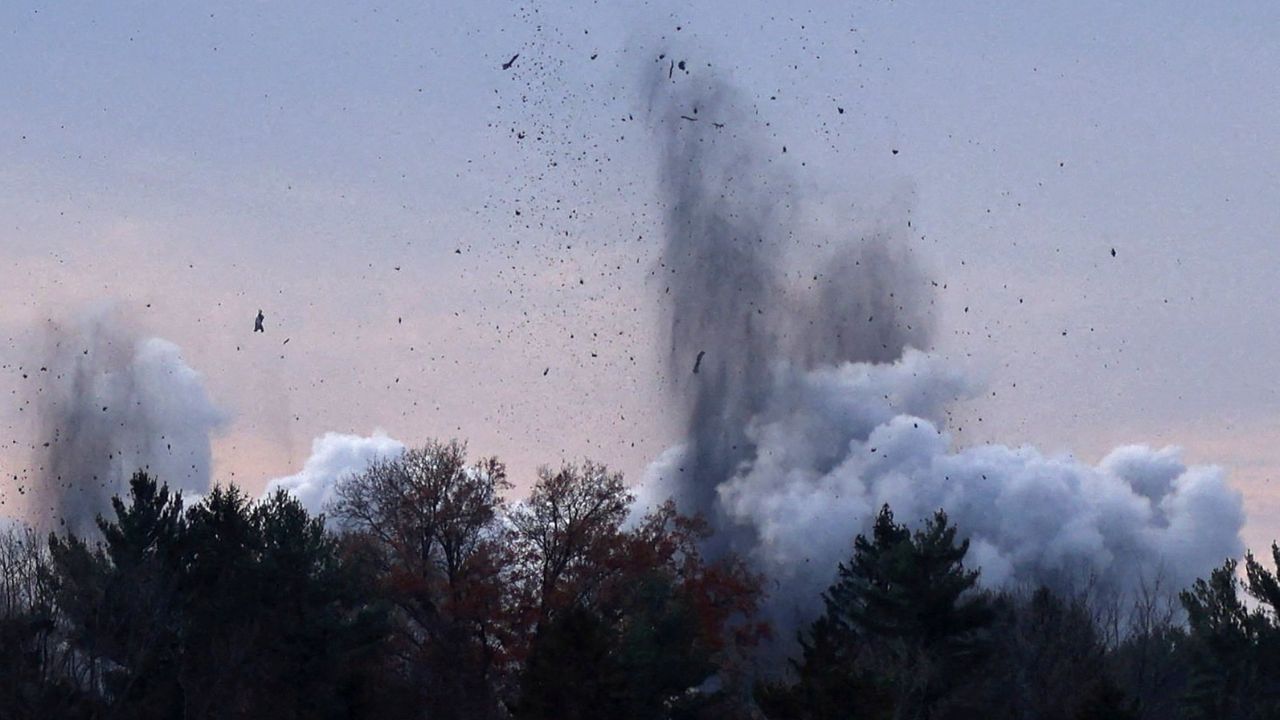
The US government on Wednesday carried out its planned detonation of an aging stockpile of lead-based explosives at a US Army munitions depot, as residents in a surrounding Iowa farming town hunkered down in their homes to avoid toxic dust emitted from the blast.
The detonation, coming days after public rancor and legal wrangling over the controversial disposal plan, was designed to avoid what authorities said was the riskier prospect of the deteriorating chemical drums eventually blowing up on their own.
Shortly after the 9 a.m. CST (1500 GMT) detonation time, the Federal Emergency Management Agency posted a message on its X account confirming the operation had been conducted and urging nearby residents to remain indoors as a precaution for the time being.

“Following this morning’s controlled detonation in Middletown, Iowa, residents within 20 miles who have not evacuated should continue to shelter in place and follow @EPA safety guidance until given the all clear by officials. FEMA has provided safe lodging to those who evacuated,” the agency wrote.
There was no immediate official word on how successful the detonation was. The Army had planned to blow up nearly 5 tons (4,500 kg) of degraded and highly unstable lead azide stored in 68 degrading plastic barrels.
In a live television feed from the site at the scheduled detonation time, the sound of an apparent explosion could be heard and a wisp of what appeared to be gray smoke was seen rising into the dawn-lit sky from beyond a line of trees before quickly dissipating.
Public safety concerns have focused on the plume of toxic lead dust that the explosion was expected to spew over homes, crops and livestock beyond the detonation site at the Iowa Army Ammunition Plant in Middletown, about 150 miles southwest of Des Moines, the state capital.
(Reporting by Jim Urquhart in Middletown, Iowa; Additional reporting by Renee Hickman in Chicago; Writing and additional reporting by Gorman in Los Angeles; Editing by Thomas Derpinghaus and Chizu Nomiyama)