

|
Getting your Trinity Audio player ready...
|
The New York Times’ bombshell report on Cesar Chavez has taken many by surprise, forcing difficult questions about how aspects of his behavior may have gone unexamined for decades. For those of us connected to Fresno State, the revelations feel especially close to home.

By Jim Boren
Opinion
Chavez, along with co-founder Dolores Huerta, spent considerable time on the Fresno State campus in the 1970s — organizing, speaking, and building support for the farmworker movement. After all, this was a movement born in the fields of the San Joaquin Valley.
Even today, many of my students are the children and grandchildren of farmworkers. This movement is no more than a generation away from most Fresno State students. This issue is personal for so many of our students.

I Covered Chavez and the Labor Movement
As a reporter for The Fresno Bee during the turbulent years of UFW organizing, I covered Chávez frequently. Sometimes he didn’t like the questions I asked, but that was part of the job. He knew it and I knew it.
In my coverage of this growing labor movement, I witnessed firsthand its intensity, the deep loyalty he inspired, and the tensions that often accompanied efforts to improve farmworkers’ living conditions — even as their labor helped feed the nation. He was beloved, at least to outsiders.
Today, our focus must be unwavering: we stand firmly with the women who have come forward, including Dolores Huerta, whom I have interviewed many times. Her account of sexual abuse by Cesar Chavez, recounted after so many years, is especially chilling.
The voices of survivors deserve to be heard with seriousness and respect. The trauma they have endured for decades is profound, unacceptable, and must never be minimized.
The presence of Chavez and Huerta on campus during the farmworker movement was not merely symbolic. It galvanized students, faculty, and the broader community around labor rights, equity, and social justice—and that remains embedded in the university’s identity.
Related Story: Before the Walls Come Down: What I Remember From the Old Bee Building
Rename the Cesar Chavez Holiday to National Farmworker Day
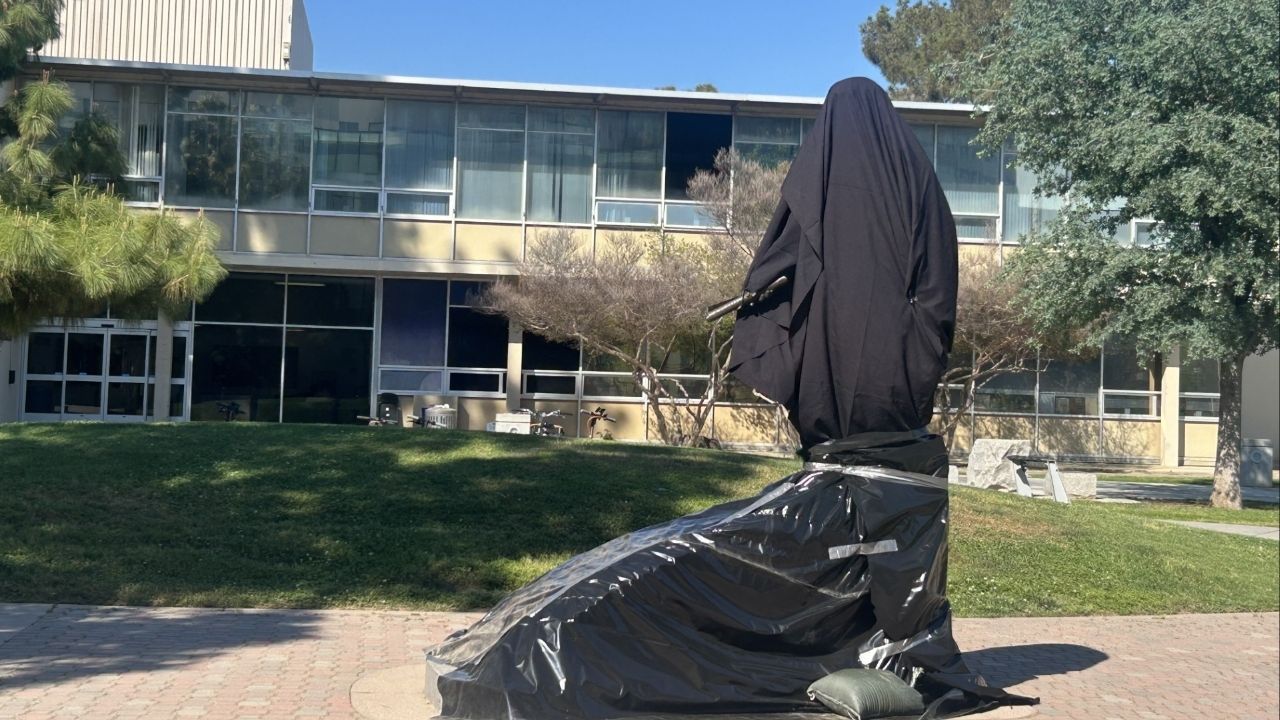
That legacy is physically represented by the statue of Chavez in Fresno State’s Peace Garden. The statue was wisely covered on Wednesday morning, and may ultimately be removed. Elsewhere in California, roads bearing his name are being reconsidered, and even the Cesar Chavez holiday on March 31 is a problem for those who believe in justice. It should be renamed, perhaps as National Farmworker Day.
If I were leading Fresno State, I would rename it “National Farmworker Day” on campus and make it a day of public service to honor the contributions and struggles of farmworkers, while also recognizing the issues that women still face in our society. By combining reflection, education, and action, this observance could become a meaningful opportunity for students, faculty, and staff to serve others while honoring the values that the farmworker movement championed.
Although it falls during spring break this year, we could encourage everyone to come to campus to show solidarity and offer support to those who need it.
And in light of the New York Times’ extraordinary reporting, it is worth pausing to consider how we reconcile these revelations with Chavez’s long-standing legacy. Can his troubling behavior be separated from the broader movement he helped lead, or are they inseparable?
Related Story: Fresno State to Remove César Chávez Statue Following Sexual Assault ...
We Must Take the Accounts of Victims Seriously
There is also a broader journalism reckoning to confront: this represents a failure of American media. We should have asked harder questions sooner. We should have done better, especially when there were some victims who were trying to speak out. We only know that now because they tried to tell their stories, but no one would listen.
I fully acknowledge that this was not an easy story to get. Manny Fernandez, a Fresno State journalism graduate, said he and his colleagues at The Times had been working on it for five years. I’m pleased he didn’t give up on the story, and his editors gave him the grace to pursue it even after all this time.
Chavez’s day of reckoning has come.
For now, the priority is clear. We must stand with those who have come forward, listen to them, and take their accounts seriously. Anything less would compound the harm already done.
About the Author
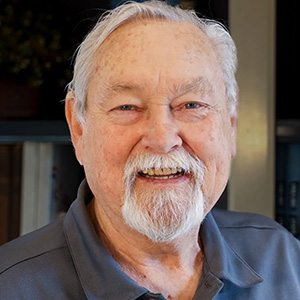
Jim Boren is the executive director of the Institute for Media and Public Trust at Fresno State and an adjunct faculty member at the university. He teaches advanced reporting in the Media, Communications and Journalism Department. He retired in 2018 as executive editor and senior vice president of The Fresno Bee. You can read his Newsroom Notebook column at this link.
Make Your Voice Heard
GV Wire encourages vigorous debate from people and organizations on local, state, national, and international issues. Submit your op-ed or letter to bmcewen@gvwire.com for consideration.