
|
Getting your Trinity Audio player ready...
|
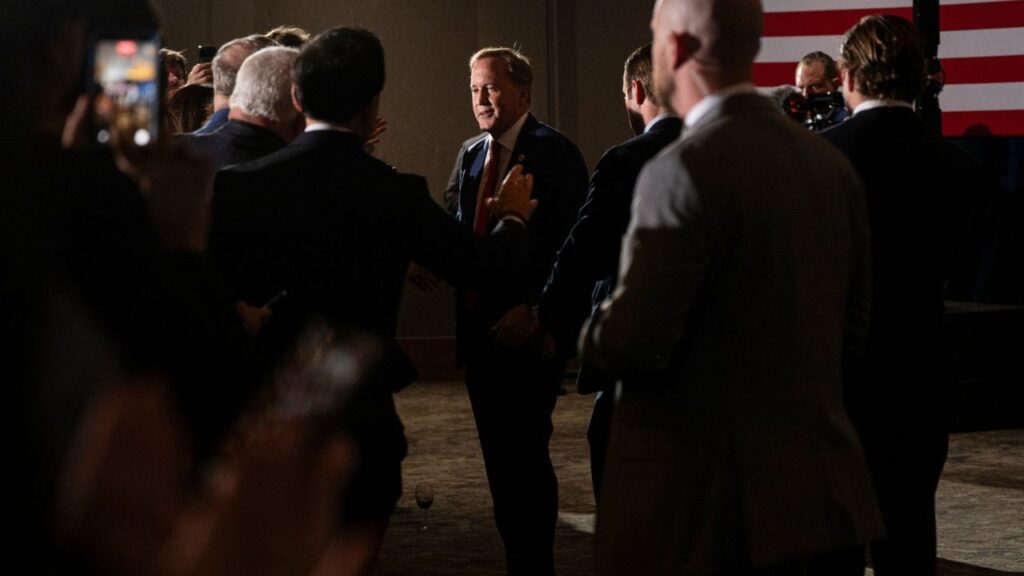
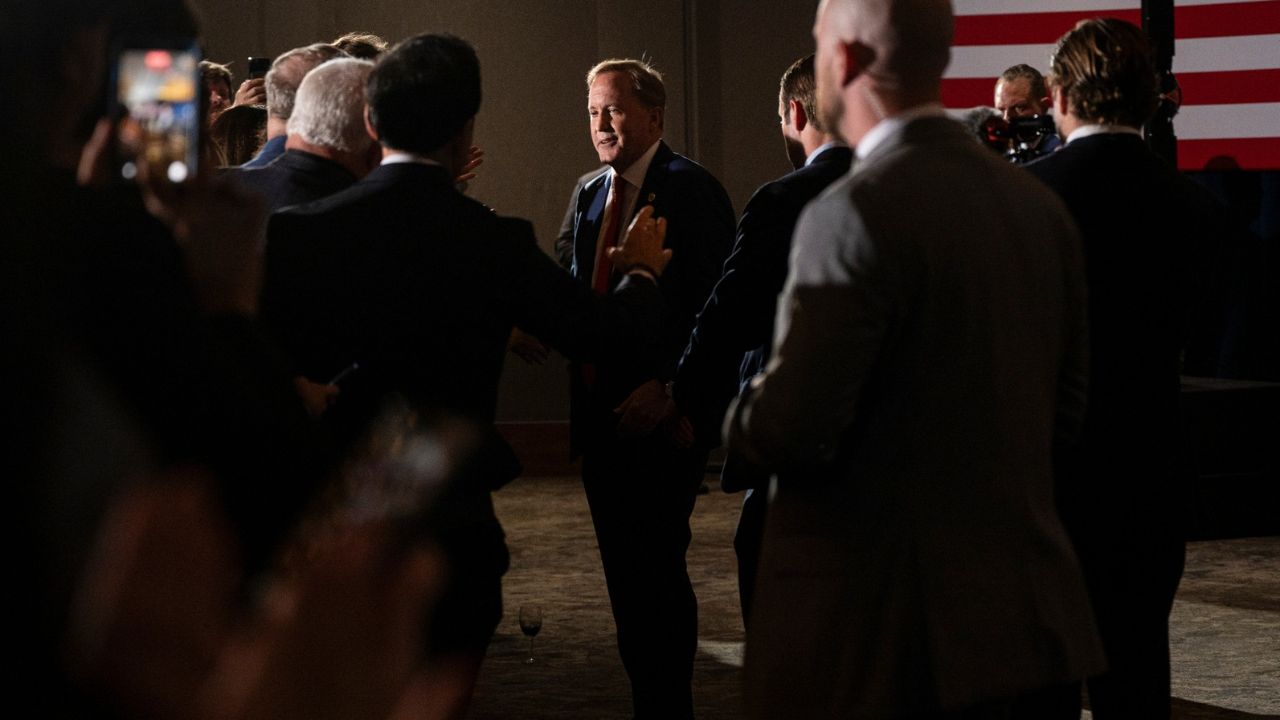
HOUSTON — Attorney General Ken Paxton, long seen as the tip of the spear for the conservative legal movement in Texas, is no longer in a fighting mood.
Since losing his bid for the U.S. Senate and watching his fellow Republicans lose every statewide race on Election Day, Paxton has dropped a number of high-profile lawsuits that antagonized his political opponents and appealed to his base.
In recent days, he has abandoned a yearslong lawsuit seeking to shut down a migrant shelter in El Paso and a separate suit aimed at closing a Houston-based immigrant rights group. He dropped a case against the Council on American-Islamic Relations, or CAIR, the nation’s largest Muslim civil rights group, which Gov. Greg Abbott had labeled a terrorist organization.

Paxton also decided to dismiss a suit against the NCAA after accusing the sports association of deceptive advertising for labeling competitions as “women’s sports” when they could include transgender athletes.
The cases helped Paxton burnish his standing among conservatives and fuel his reputation as a no-holds-barred litigator. The decisions to drop them were welcomed by the defendants in each case, and the legal filings lacked any explanation from Paxton or lawyers from his office.
Paxton’s office did not respond to requests for comment.
One case, a 5-year-old lawsuit accusing Planned Parenthood of committing Medicaid fraud, has not been dropped by Paxton’s office, but the U.S. Justice Department signaled its intention to intervene. The move suggested there was concern among conservatives that Texas’ incoming Democratic attorney general, Nathan Johnson, would not continue the case.
In a statement, Johnson said that “irrespective of the likely political motivation behind it, I applaud the termination of these lawsuits,” adding that it was “the first tangible and important result of the election.”
But Paxton has not thrown in the towel in every instance. His office revived a lawsuit against the city of Houston this week after John Whitmire, its mayor, said the city’s police officers would no longer notify federal immigration agents about migrants in the country illegally who are encountered during routine street stops. The ultimate resolution of that case will most likely not occur until after Paxton leaves office.
Since the election, lawyers from Paxton’s office have repeatedly gone to court to ask judges to withdraw lawsuits they had brought.
The timing suggested to many, including the defendants in the cases, that the election of Johnson, a Democratic governor and enough Democrats to control the Texas House was a central motivation to drop the lawsuits.
“If it goes away in an instant, then what was this about to begin with? If there’s nothing there, then why was this initiated?” said Ruben Garcia, the executive director of the El Paso shelter Annunciation House. “Then this whole thing is political? That’s not the way justice is supposed to work.”
Garcia was supposed to be deposed by Paxton’s lawyers last week in the case against Annunciation House, which was first filed in state court in 2024. But rather than move forward with the deposition, the attorney general’s office simply withdrew the lawsuit.
Still, Garcia said the legal process had done damage to his nonprofit. “They have almost endless resources to go after people,” he said. The suit confused people into thinking the nonprofit had already been closed down, he said, and prospective volunteers worried that getting involved could land them in trouble.
“When someone calls you a smuggler, a trafficker, that your houses of hospitality are stash houses, that’s really severe,” Garcia said.
Paxton’s suit accusing the immigrant rights group FIEL Houston was similarly costly, said its executive director, Cesar Espinosa. The attorney general argued that the organization had violated its nonprofit charter by posting about elections and criticizing the Trump administration. The suit had dragged on since 2024, sapping the group’s resources, Espinosa said.
“We had to move money from other programs to staff time and resources to be able to be all things on deck with this lawsuit,” he said. “It was a very tough last few years.”
The group had not been given advance warning that the suit would be dropped, he said, and no one explained why.
For Edward Ahmed Mitchell, a deputy director at CAIR, Paxton’s decision to sue his group was made at a time when many Republican elected officials in Texas, including Abbott, were embracing anti-Muslim rhetoric and actions.
The lawsuit against CAIR was filed in February, in the middle of the Republican Senate primary, which Paxton won. He dropped the case this week.
Mitchell said Republicans had used “American Muslims as a political boogeyman” and it failed with voters. “That is a huge turning point,” he said. “Even in Texas, anti-Muslim hate was not enough.”
—
This article originally appeared in The New York Times.
By J. David Goodman/Tamir Kalifa
c. 2026 The New York Times Company