
|
Getting your Trinity Audio player ready...
|
When the United States and Israel went to war against Iran, restricting access to a fifth of the world’s oil and much of its gas through the Strait of Hormuz, Fatih Birol, the head of the International Energy Agency, called the market disruption the greatest threat to global energy security ever.
On Thursday, nearly nine months into the conflict, Birol and the IEA declared that the upheaval has permanently reshaped the world’s energy system.
In its most thorough assessment yet of the war’s impact on energy, the agency found that the conflict has accelerated a shift toward electrification and domestic power generation. The war in Iran has shattered the Strait of Hormuz’s reputation as a reliable energy corridor — making a return to prewar conditions unlikely despite a recent recovery in Persian Gulf oil exports.

“I don’t see any credible pathway for the energy world to return to the way it was before,” Birol said in a statement accompanying the agency’s World Energy Outlook report.
The IEA, based in Paris, is a multinational organization that conducts extensive research on energy and advises member nations on policies. The agency was established as a counterweight to the Organization of the Petroleum Exporting Countries, or OPEC, after the oil shock caused by the 1973-74 Arab oil embargo.
The findings come as diplomats from nearly 200 nations gather in Antalya, Turkey, for annual United Nations climate talks. Many are focused on trying to ensure that the war-induced pivot toward electrification and homegrown energy leads to a transition away from fossil fuels. Several participants at the talks, known as COP31, said moving more swiftly to electrification could be the best chance of getting the world back on track to keeping the rise in global temperatures to relatively safe levels.
The report is not a light read. Across 563 pages, the IEA games out different scenarios for how nations are responding to the Gulf crisis now and how they might in the future.
“Previous energy shocks, from the 1970s onwards, all left lasting marks on the energy world,” the report states, adding, “This one will, too, and the longer the crisis lasts, the deeper these marks will be.”
None of those scenarios, they stressed, should be considered a definitive prediction.
Considering the Possibilities
On one end of the spectrum, the agency models a world that assumes that disruptions to shipping lanes in the Middle East would persist, leading countries to decide that the risks, and the costs, of importing fossil fuels is too great. Nations might then create more ambitious energy policies, like encouraging greater sales of electric vehicles or faster deployment of nuclear energy.
In such a scenario, global oil demand could plummet by 4.4 million barrels per day, the IEA found. The world uses an average of 102.3 million barrels per day.
An aggressive increase in the adoption of electric vehicles alone could displace more than 11 million barrels of oil per day by 2035.
The outlook also forecasts what might happen if countries do not enact new energy policies — and if safe navigation of oil and gas shipments through the Strait of Hormuz are restored by the end of 2027.
Under those conditions, oil and gas demand would continue to rise steadily through 2050. The rise in sales of electric vehicles and the decline in costs of solar panels and battery storage would be countered by more fossil fuel use in heavy freight trucks, aviation and petrochemicals.
The result: Carbon dioxide emissions would remain elevated, leading to a 2.9 degree Celsius rise in global temperatures by the end of the century. Scientists have warned that with every fraction of a degree of warming, the risks from deadly heat waves, wildfires, droughts and storms increase significantly.
The Trump administration had publicly pressured the IEA to include the more conservative scenario. Chris Wright, the energy secretary, complained that an agency forecast suggesting that global demand for oil and gas could peak by the end of the decade was “nonsensical.”
The new report argued that “whatever path the world takes,” higher incomes and growing populations are set to increase energy demand. And rising global temperatures will add pressure on energy systems.
For the first time in history, for example, energy needed to keep buildings cool is overtaking energy needed for heating, the IEA said.
The economic impact of the war has been incredibly costly for nations that import fossil fuels and lucrative for exporters: Oil and gas exporters are set to receive an additional $700 billion in sales this year over and above the 10-year average, the IEA said.
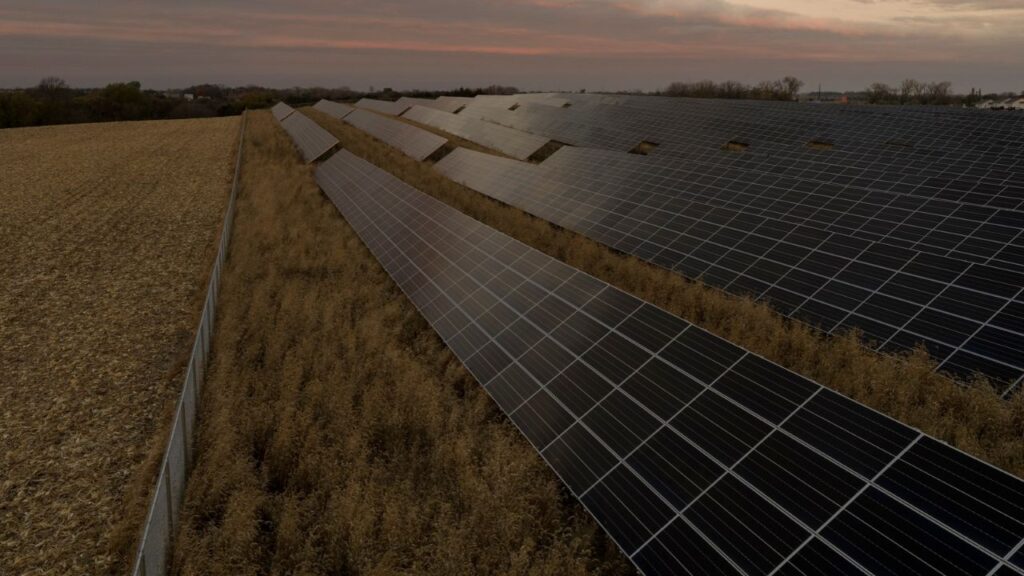
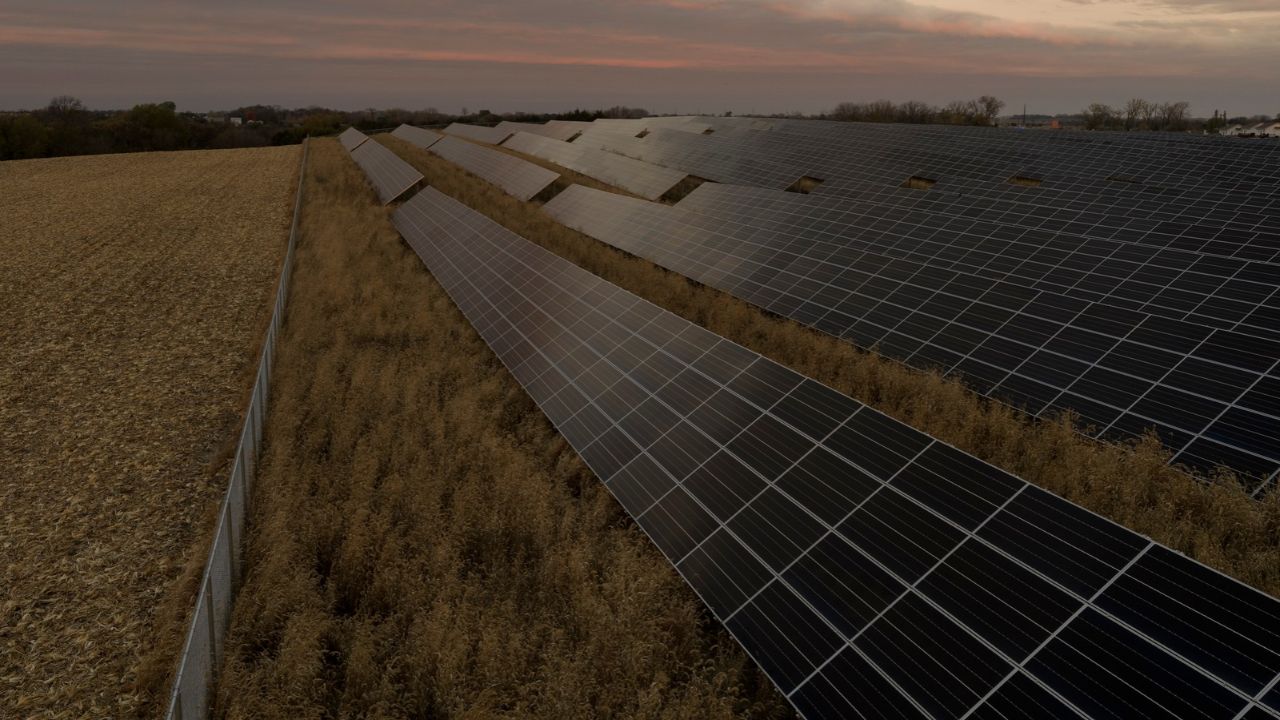
The use of coal, the dirtiest fossil fuel, received what the report called a “short term boost” from the Iran war. But in all of the agency’s scenarios, coal use will decline by 2030. That’s in large part because of China, which accounts for more than half of global coal demand but is quickly switching to wind, solar and nuclear energy.
Nuclear power could be another winner. About 90 gigawatts of new nuclear capacity is under construction, the highest level for more than 35 years, the IEA said. More than 50 countries have plans or targets for nuclear power, including new technologies such as small modular reactors.
Diplomats at COP31 said they hoped the report would help encourage efforts to ensure that the world electrifies even faster.
“There will inevitably be short-term pressures,” said Chris Bowen, Australia’s minister for climate change and energy and the co-president of COP31.
He argued that countries must accelerate the transition to more diversified and lower-emissions sources of energy to reduce their exposure to another worldwide energy shortage.
“The answer to a global fossil fuel crisis is not greater long-term dependence on an energy source vulnerable to conflicts overseas,” Bowen said.
–
This article originally appeared in The New York Times.
By Lisa Friedman/Tim Gruber
c. 2026 The New York Times Company