
|
Getting your Trinity Audio player ready...
|
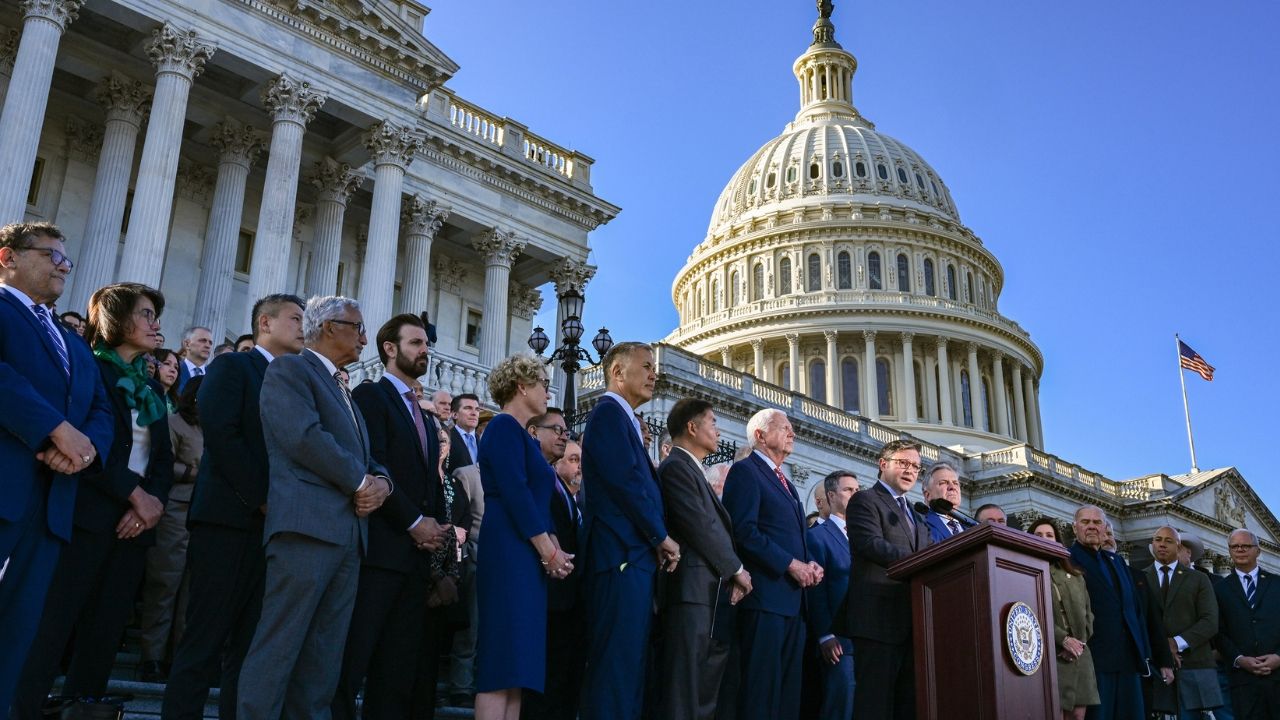
WASHINGTON — The House on Thursday overwhelmingly passed a multibillion-dollar bill that would fully fund a key retirement benefit for combat-injured veterans with disabilities, but the measure’s fate in Congress was uncertain amid a dispute over how to pay for it.
Republican leaders moved to sidestep the disagreement Wednesday by speeding through a competing measure before Democrats had a chance to try to defeat it. That bill, the Take Care of America’s Veterans Act, addresses the retirement pay change and a wide range of veterans programs, all financed by future cuts in benefits for sleep apnea and tinnitus, two conditions that often afflict combat veterans.
The narrower version that passed Thursday, by a lopsided vote of 392-18, was forced to the floor by Democrats and would omit those cuts. All Democrats and 181 Republicans backed it.

The competing bills face steep obstacles in the Senate. Sen. Jerry Moran, R-Kan. and the chair of the Veterans Affairs committee, said he supported the Republican-led package, whereas Sen. Richard Blumenthal of Connecticut, the senior Democrat on the committee, said he could not back the proposed benefit cuts.
Central to the dispute is the Maj. Richard Star Act, which would allow veterans who retired because of combat-related disabilities to receive their full retirement pay, rather than having it reduced dollar-for-dollar by their disability benefits, as required by current law.
Veterans groups have long lobbied for the Richard Star Act, but over the years, lawmakers have repeatedly balked at its cost, recently estimated by the Congressional Budget Office to be about $12.8 billion over a decade.
House Republicans have argued that pairing the Richard Star Act with the sleep apnea and tinnitus cuts in the broader Take Care of America’s Veterans Act would get the provision across the finish line. But for months, retired service members and some powerful veterans groups blasted the package.
The blowback was forceful enough that Republican leaders, attempting to pass the package over the summer, had to pull it from the floor when it became clear they lacked the votes.
The same leaders were able to push it through Wednesday only after Democrats failed to notice Republicans had called a vote on it on the House floor. Waiting only six seconds, during which no Democrat requested a recorded vote, they declared the bill passed on a voice vote — a highly unusual move.
—
This article originally appeared in The New York Times.
By Olivia Diaz/Kenny Holston
c. 2026 The New York Times Company