
|
Getting your Trinity Audio player ready...
|
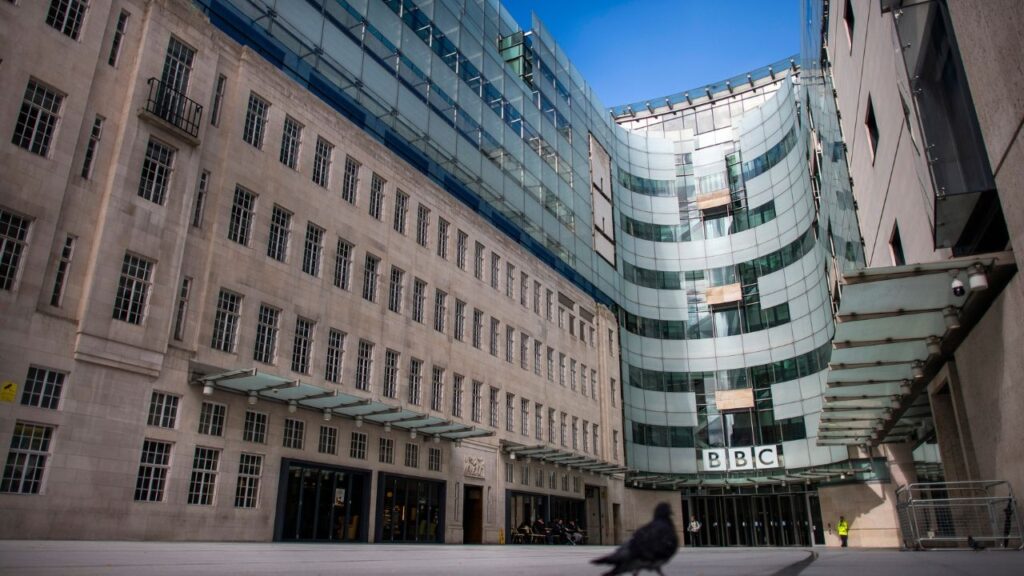
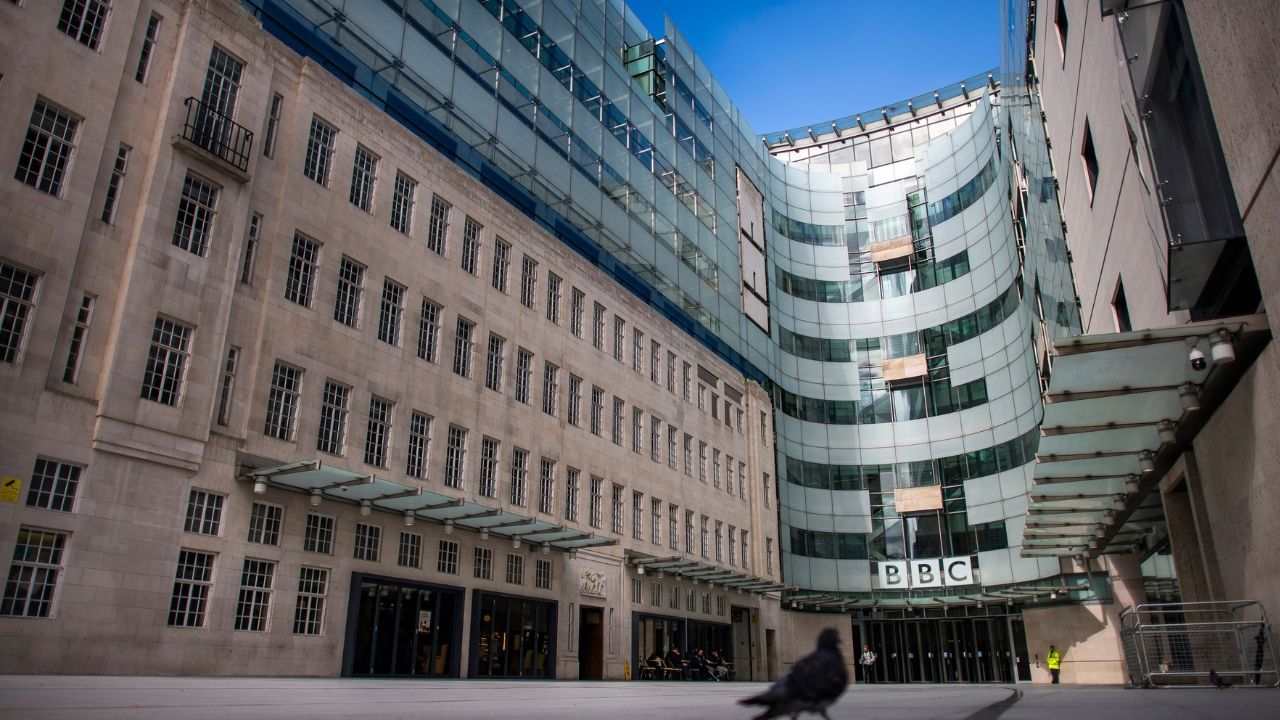
LONDON — A federal judge in Florida on Tuesday allowed President Donald Trump’s defamation lawsuit against the BBC to proceed, rejecting the British broadcaster’s bid to dismiss it.
Trump sued the BBC over its documentary “Trump: A Second Chance?” which aired a week before the 2024 presidential election. The program spliced together two portions of remarks that Trump delivered roughly 55 minutes apart on Jan. 6, 2021, giving the impression that he was encouraging his supporters to storm the U.S. Capitol.
Trump’s legal team has accused the BBC of “intentionally, maliciously and deceptively doctoring his speech” in an effort to interfere with the election, and is seeking $10 billion in damages.

The BBC has apologized, acknowledging that its editing gave “the mistaken impression that Trump made a direct call for violent action,” a controversy that prompted the resignations of its director-general, Tim Davie, and news chief, Deborah Turness. But it says it was not evidence of a fundamental bias in the BBC’s news reporting and did not constitute defamation.
On Truth Social, Trump described Tuesday’s ruling as a “A Huge Victory against Fake News BBC.”
A spokesperson for the BBC said in an emailed statement: “We are surprised by this decision but respect the court’s authority and note the case will now proceed to the next stage. We remain confident in our position and will continue to respond through the proper legal process.”
Lawyers for the BBC had sought to have the lawsuit dismissed, in part because the program was never aired in the United States.
The judge, Jeffrey T. Kuntz of U.S. District Court for the Southern District of Florida, who was appointed to the bench by Trump, rejected that argument. He said that the BBC was a global organization that had marketed the program to Americans, noting that it had “emailed U.S. and Florida-based commenters with instructions on how to view the documentary.”
Kuntz also rejected the broadcaster’s contention that the sequence in the documentary amounted to routine editorial trimming.
“BBC tries to frame this editing as ordinary editing done to condense a 70-minute-long speech into 12 seconds,” the judge wrote in the 40-page ruling. “But the court is not persuaded.”
“Editing is often required,” he continued. “However, given the time disparity between the two statements, the distance itself tends toward a plausible inference that BBC knew or should have known that the segment they were creating would not and could not have been a truthful statement.”
Addressing Trump’s broader claim that the BBC acted with “actual malice,” the legal standard required for a successful defamation claim by a public figure, Kuntz wrote that “this does not prove BBC acted with actual malice. But it does make it plausible.”
The judge said that whether Trump can prove his claims at trial would be “left for another day.”
Kuntz dismissed a secondary claim Trump made against the BBC, that it had breached Florida’s Deceptive and Unfair Trade Practices Act.
Trump faces a Dec. 11 court deadline to sit for a deposition in the case.
—
This article originally appeared in The New York Times.
By Karla Adam/Joshua Bright
c. 2026 The New York Times Company