
|
Getting your Trinity Audio player ready...
|
A pending increase in US tariffs on steel and auto imports from Canada starting January 1 would be “catastrophic” for the industry, Honda Motor’s head of public affairs said on Tuesday.
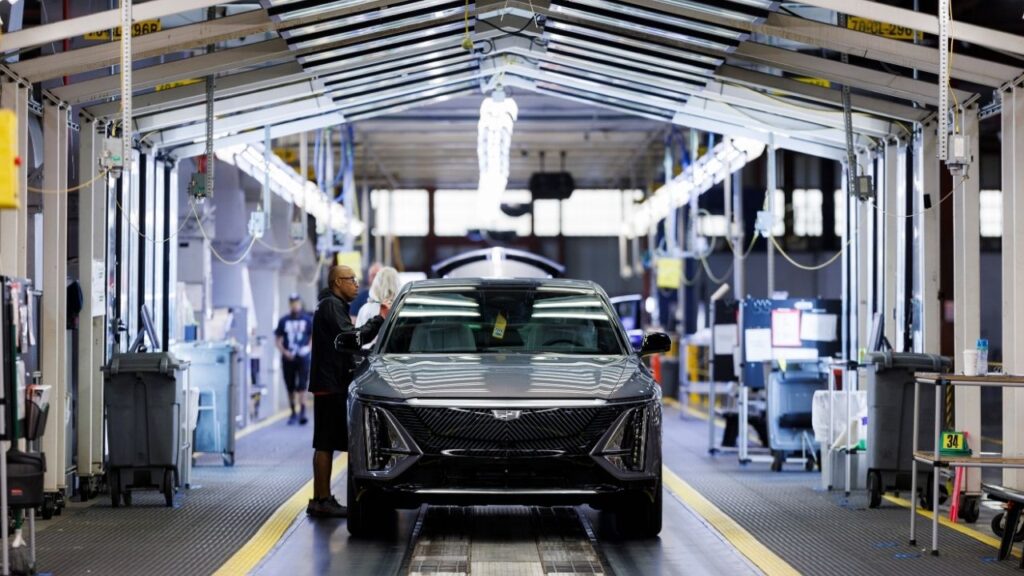
Automakers are closely watching talks between the US, Mexico and Canada, hoping the countries extend a longstanding trade deal. The three countries’ auto industries are tightly intertwined, and higher tariffs could raise costs and affect where companies such as Honda build new plants.
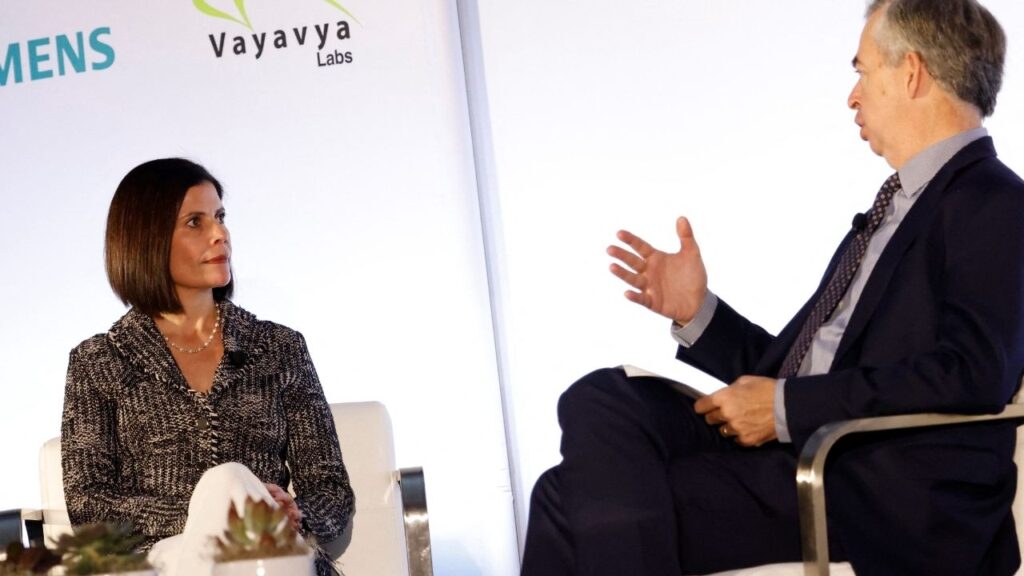
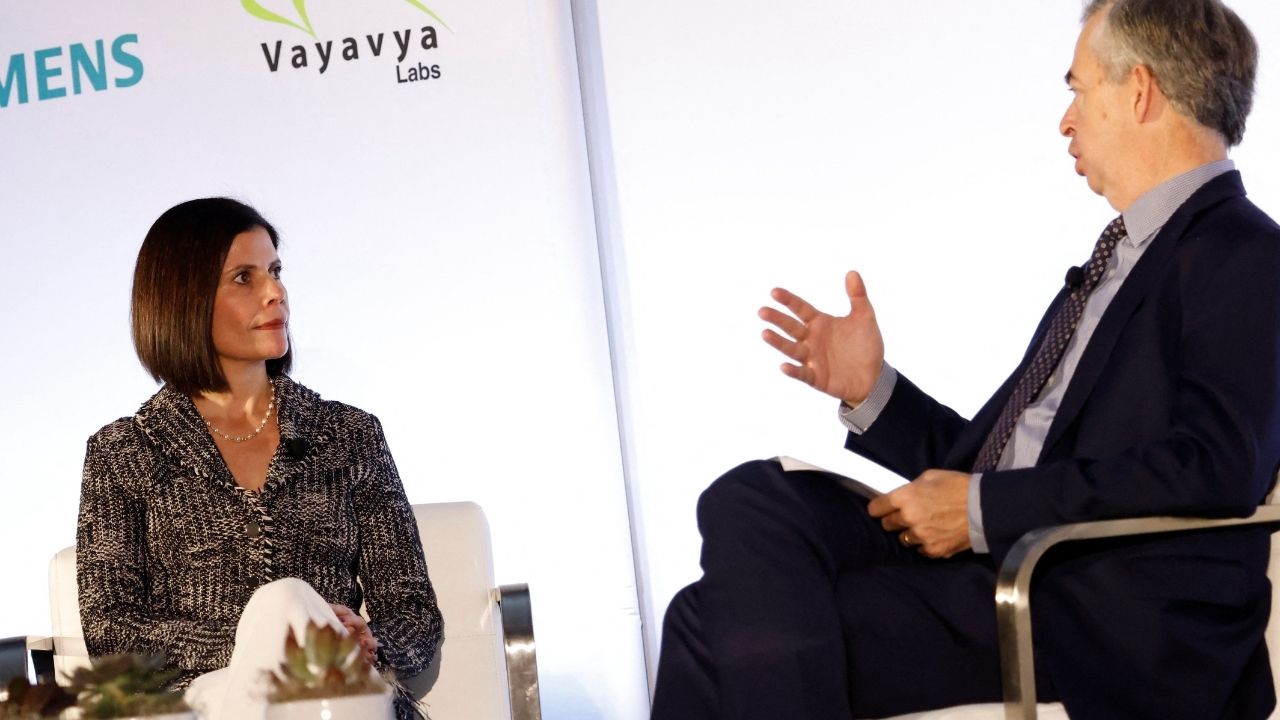
“We need that trilateral agreement to stay in place in order for the US industry to be competitive. It’s integral to our success,” said Jennifer Thomas, senior vice president of corporate affairs for American Honda Motor Co, speaking at the Reuters Automotive USA conference in Detroit.

The auto industry has been grappling with tariffs since early 2025, when President Donald Trump’s administration placed varying tariff rates on imports from multiple countries, including Mexico and Canada.
“I am cautiously optimistic that cooler heads will prevail, and we will avoid that January 1 doubling of the tariffs, because that really would be catastrophic just for the entire industry,” Thomas said.
The US and Canada are working on a deal to ease US tariffs on Canadian steel and autos, Reuters reported on Monday. Those talks are aimed at tariffs imposed under Section 232 of US trade law, including a tariff of up to 50% on Canadian steel and a 25% tariff on autos, with negotiators discussing potential relief from those duties.
Unlike trade deals with the EU, Japan or South Korea, the trade pact between Mexico, Canada and the US has specific North American content requirements known as “rules of origin.”
In the negotiations with Mexico, the US has demanded that all North American-built vehicles contain 50% US-specific content, a figure that would drive regional required content up to 82% to qualify for US benefits, sources familiar with the talks have said.
Vehicles assembled in Mexico and Canada would likely still be charged some level of tariffs, US Trade Representative Jamieson Greer has said.
Thomas and other auto executives said that rules-of-origin requirements are not in place in other trade deals.
“Right now, North America is at an unfair disadvantage,” Thomas said.
In August, Honda said it may not build an eighth assembly plant in North America unless the trade deal between the three countries is extended.
“We are at capacity, and so we’re exploring all options. And at the end of the day, we’re going to continue to invest in the US,” Thomas said.
(Reporting by David Shephardson and Kalea Hall in Detroit. Editing by Mike Colias and Xevi Fontdegloria)