
|
Getting your Trinity Audio player ready...
|
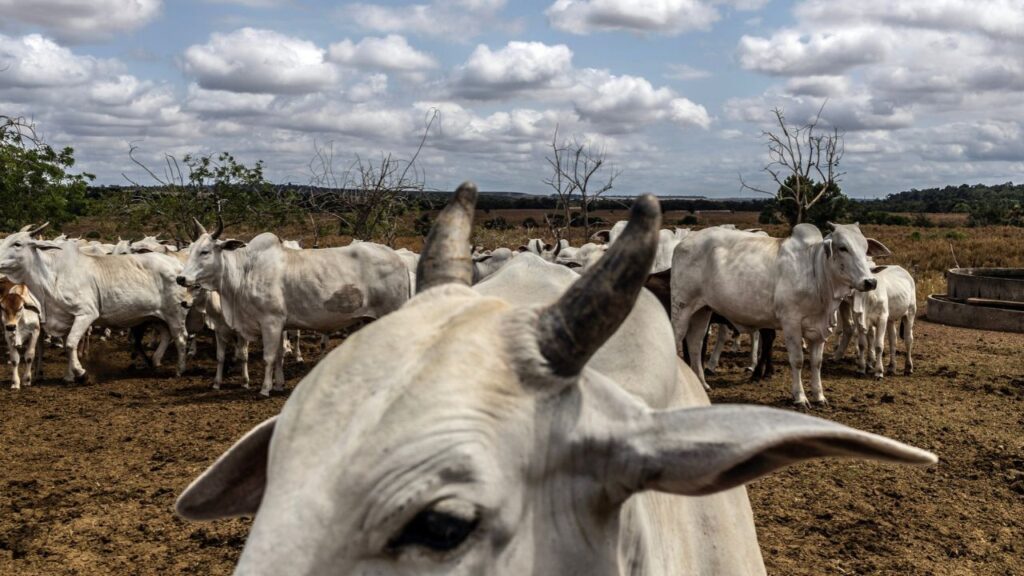
Halfway through President Donald Trump’s three-month gambit to import more ground beef to lower prices, little extra beef has been imported and prices have barely budged.
In August, Trump signed a proclamation allowing 300,000 metric tons of lean beef trimmings to enter the United States at a reduced tariff rate. The additional beef could be imported over 90 days, with up to 100,000 metric tons entering each month in September, October and November.
But only 37,486 metric tons of this beef entered the country in September, according to U.S. Customs and Border Protection data, barely more than a third of the allowed amount. There hasn’t been much improvement in October, as just 21,937 metric tons entered through Oct. 19.

The lack of action is a potential blow to Republican candidates in the midterm elections. Trump said this month that beef prices “really became unacceptable to the voter,” and he has been trying to lower prices while keeping farmers and ranchers — typically a reliable Republican voting bloc — on his side.
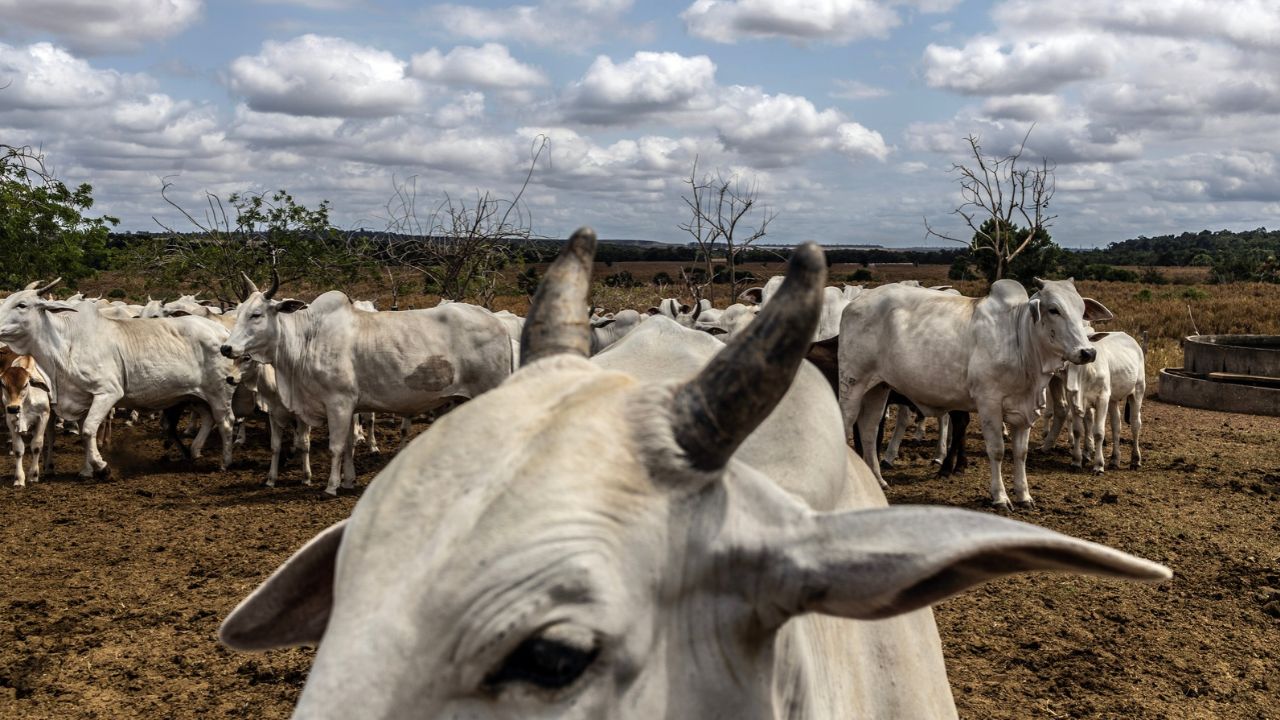
Groups representing ranchers immediately criticized the president’s plan to import beef, saying it would lower what they received for their cattle; live cattle prices fell 3.4% the day the proclamation was signed. Ranchers said the threat that Trump would intervene in the market anytime prices rose made them more likely to send heifers and cows to slaughter instead of taking the risk of holding them back to help build up a larger herd.
“I am afraid they are trying to solve a short-term problem with beef prices, which will create long-term cattle supply problems in the process,” said Ford Drummond, the president of the Oklahoma Cattlemen’s Association. Cattle prices have since rebounded.
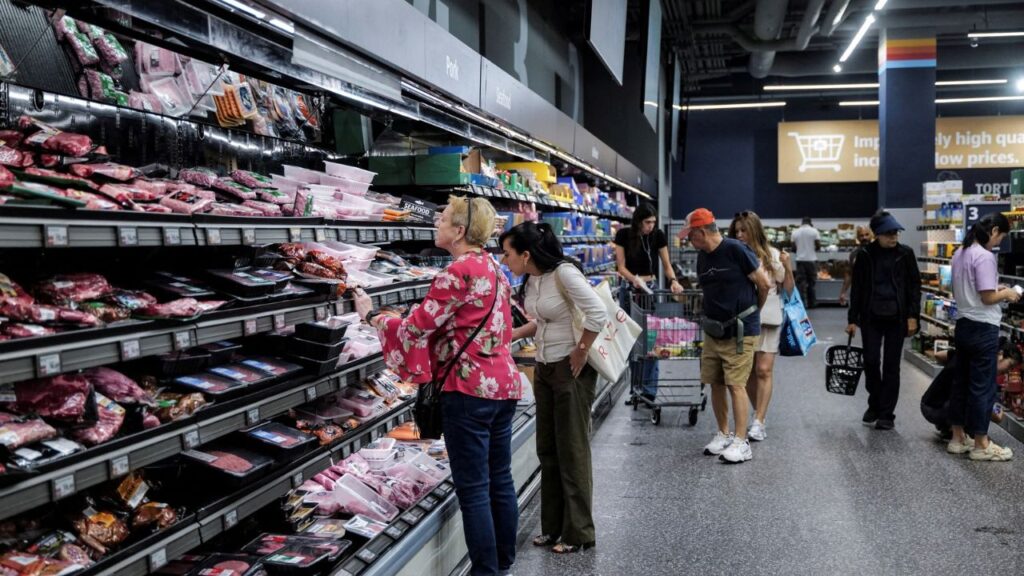
And there is little evidence that any substantial discount has reached consumers, after Trump “encouraged” importers to sell beef at a 25% discount. The average price of a pound of ground beef fell 1.9% in September, to $6.79 from $6.92, according to the Bureau of Labor Statistics. A year earlier, a pound cost $6.32.
Asked why most of the import quota was going unfilled, Anna Kelly, a White House spokesperson, said in a statement that Trump is “delivering on his promise to consumers by reducing beef prices while allowing our American beef herd to grow.” She also said the president had “done more for American agriculture than anyone.”
The Agricultural Department and Customs and Border Protection did not respond to requests for comment.
The 37,486 metric tons of lean trimmings were imported in September under the customs agency’s “Affordable Beef” quota. But according to agricultural economists, it is unlikely that all, or even most, of that beef was imported solely because of the president’s proclamation. Some of it would have come into the country anyway.
The United States imported 1.9 million metric tons of all kinds of beef last year, with the bulk coming from Australia, Canada, Brazil, Mexico and New Zealand. Most of it was lean trimmings destined to be combined with high-fat trimmings from American cattle to make ground beef. An additional 300,000 metric tons would be significant, but pale in comparison with what already enters the country.
James Mitchell, a livestock economist at the University of Arkansas, used two different methods to calculate the amount of lean trimmings that would have come into the United States in September under usual circumstances, if there were no proclamation. One of the methods found that 41% of the 37,486 metric tons would have been imported, while the other method found that 79% would have been.
“Neither approach is perfect, but I think both are more reasonable than assuming all 37,486 metric tons were additional imports,” Mitchell wrote in an email.
From the beginning, it was unclear whether the president’s plan would meaningfully lower beef prices. Lean trimmings make up only a portion of the cost of ground beef; much of what the consumer pays for are costs like fattier trimmings, labor, processing, transportation and marketing.
Trump said he had a “commitment” that this beef would be sold at “25% below market prices,” though it is unclear if he meant retail or wholesale prices.
Ted Schroeder, a livestock economist at Kansas State University, said there would be no way for grocery stores to offer specific discounts to customers buying ground beef with these imported trimmings. It isn’t specially labeled, or labeled at all. Everyday meatpackers and processors receive meat from a number of imported and domestic sources, and they don’t label them all for their customers.
“It is all stuff that gets blended, so there is going to be no way that I can think of that a product is labeled just that,” Schroeder said. “As soon as you start blending, identity preservation is just gone.”
Wholesale prices for domestic or imported lean trimmings, which vary by region, have barely changed, Schroeder said. And the small decrease in September’s retail ground beef prices is typical because grilling season is over.
“Is it a penny? Three cents? Four? Two and a third?” Schroeder asked, referring to how much cheaper the additional imports have made ground beef. “The reality is it is not going to be noticeable.”
—
This article originally appeared in The New York Times.
By Kevin Draper/Dado Galdien
c. 2026 The New York Times Company