
|
Getting your Trinity Audio player ready...
|
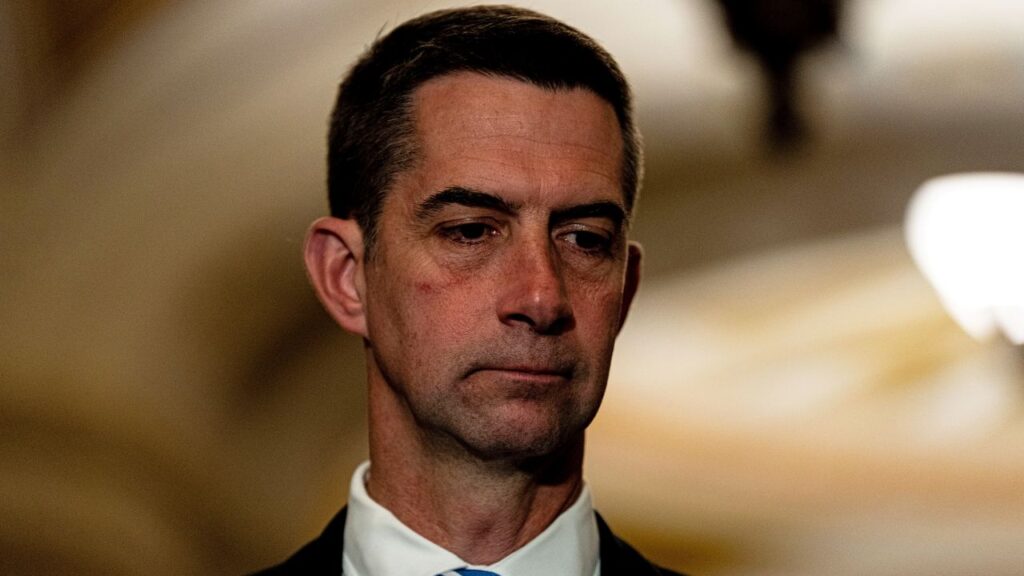
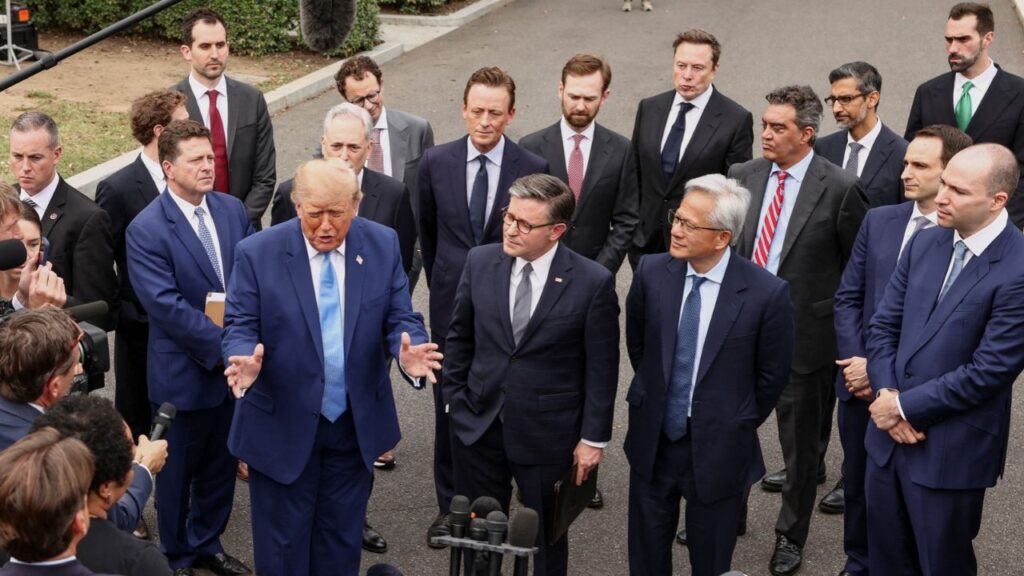
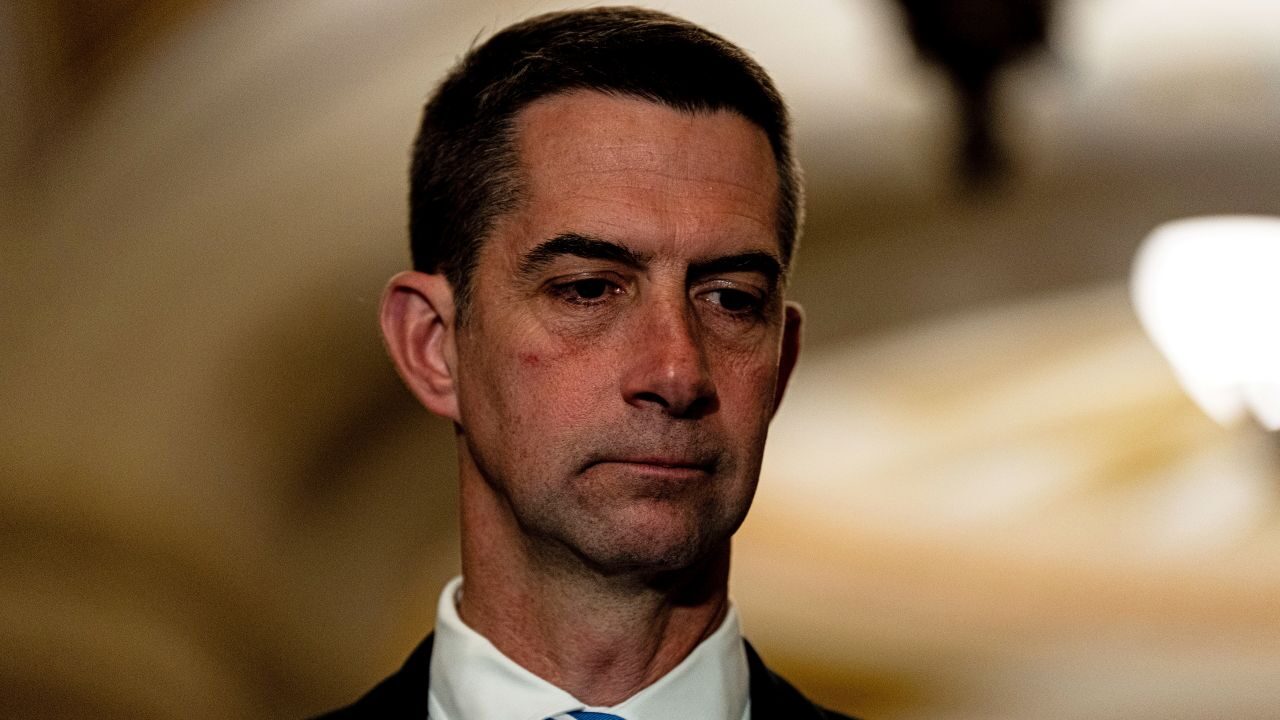
President Donald Trump wants to make daylight saving time permanent. Sen. Tom Cotton does not. On Saturday, that disagreement led the president to share what he said was the Arkansas Republican’s cellphone number on social media, urging the state’s residents to take the issue up with Cotton personally.
Trump, championing the Sunshine Protection Act, which has been stalled in the Senate since July, accused Cotton of holding up the bill in a lengthy Truth Social post. Then Trump shared 10 digits.
“To the Great People of Arkansas, please let your Senator know it would be a GREAT Bipartisan WIN for the United States Senate,” Trump said. “Call Tom on his cellphone.”

Two officials confirmed that the number Trump gave out belonged to Cotton, whose office did not respond to a request for a comment. The officials spoke on the condition of anonymity because they were not authorized to discuss the matter publicly. Calls went to an automated voice mail greeting saying an unnamed recipient was “temporarily unavailable.”
Bill Is Stuck in the Senate
The bill, which would cement daylight saving time and stop Americans from having to change their clocks twice a year, has been stuck in the Senate after sailing through the House in July with a 308-117 vote.
Year-round daylight saving time was last tried in 1974, but public sentiment quickly soured as Americans complained of dark winter mornings, particularly for parents taking children to school. It was repealed in less than a year.
But Trump has described moving clocks an hour forward in the spring and an hour back in the fall as “ridiculous.” On Saturday, he told reporters that the practice “discombobulates everybody.”
Golfers Want the Extra Evening Sunlight
His post directed at Cotton included a letter from Brian Rolapp, the CEO of the PGA Tour, endorsing the bill, which would add an extra hour of daylight in the evening. Rolapp claimed that would allow golfers to squeeze in 23 million more rounds a year.
Many sleep scientists think the current practice is better because it means more sunshine in the morning, in sync with the body’s internal clock.
Later on Saturday, Cotton stood firm on his position but did not mention Trump’s post. The two Republicans have normally been allies.
“No one likes changing the clock, me included, but Congress has enacted permanent Daylight Saving Time multiple times before and repealed it each time once Americans experienced absurdly late sunrises in the winter,” Cotton said in a social media post. “Arkansans don’t want their kids going to school in the pitch dark.”
The president responded within the hour. “It has been held up in the Senate, a place where things go to die, by Tom Cotton, for months,” Trump said of the bill. “And for what, other than ‘ego?’”
It is not the first time the president has shared a phone number with the intention of pressuring a senator. During his run in the 2016 Republican presidential primary, Trump flaunted a card onstage with a handwritten number for Sen. Lindsey Graham of South Carolina, a rival for the nomination. He read the digits aloud and encouraged Americans to give the senator a call.
Speaking at Graham’s funeral in July, Trump said that sharing the number was something he “shouldn’t have done.”
“And I remember the number,” Trump said, reciting the digits again at the funeral. “If anybody wants to give it a shot,” he added.
—
This article originally appeared in The New York Times.
By Mack Liederman and Robert Jimison/Alex Kent
c.2026 The New York Times Company