



|
Getting your Trinity Audio player ready...
|
SEATTLE — Amazon has become the latest big technology company to promise money for local communities and policy changes in reaction to anti-data-center sentiment that has become a political flashpoint around the country.
In a lengthy blog post Friday, the company pledged $1 billion over five years to communities for workforce development, energy efficiency projects and other local priorities. Amazon also said it no longer used nondisclosure agreements with government agencies, a common practice that has created distrust with local residents.
Without mentioning China by name, Matt Garman, the head of Amazon’s cloud computing division, said in the post that other countries were gunning to be at the forefront of artificial intelligence development. More than 100 data center moratoriums are being considered across the country, he wrote, and “if these measures are enacted, the U.S. could be writing its own losing ticket to this race, and the consequences would last generations.”

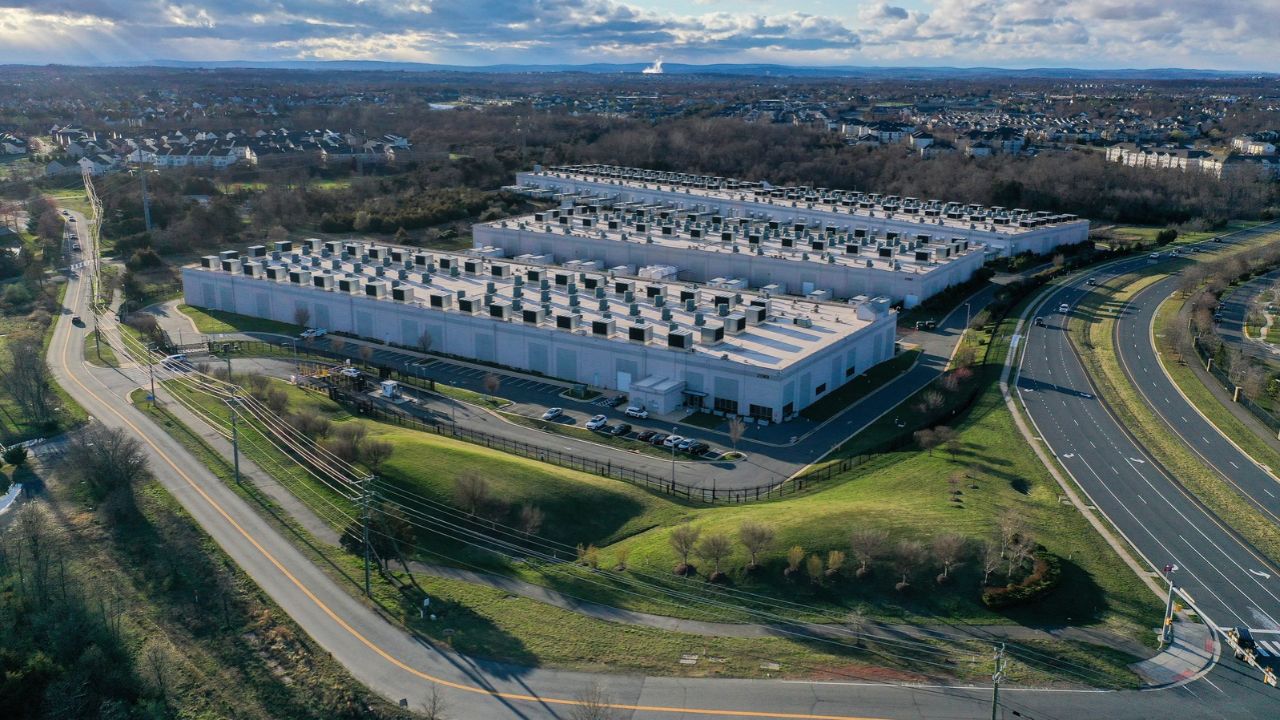
The tech industry has been on a data center building spree despite intense pushback around the country. The biggest tech companies will spend more than $750 billion on capital expenditures this year, with Amazon the top builder. Some of the facilities are traditional data centers that power online computing. Others, like a flagship Amazon data center in Indiana, have been tailored to the immense computing needs of AI.
Other large tech companies have made similar commitments this year. Meta, for example, pledged $1 billion for communities and job training programs, and Microsoft pledged this year to stop using nondisclosure agreements with local governments.
Rising local opposition has scuttled or delayed projects and has created a new bottleneck for tech companies looking to build quickly.
Data centers have become a hot-button issue in the midterm elections, including in states that have generally welcomed data centers, like Ohio, Texas and Oregon. They have become a particularly difficult problem for Republicans trying to balance local concerns and President Donald Trump, who said the only reason communities would not want data centers was “if they want to end up being backwards and poor.”
Distrust has grown with public fears of AI. A Quinnipiac University national poll released this week found that 71% of Americans would oppose the building of an AI data center in their community, up from 65% in March.
Much of Garman’s post focused on making the case that data centers are misunderstood. He argued that they used little water — far less than a typical golf course — and that the idea that data centers drive up power costs was “misleading” because the nation’s utility infrastructure was overdue for an upgrade.
Amazon also tried to separate the anxiety over AI from the debate over data centers, arguing that data centers are the backbone of modern life, powering hospitals and banking systems. Amazon’s ban on nondisclosure agreements includes its dealings with public utilities. If it is involved in a project initiated by a third-party developer, the company said it would try to avoid having a developer’s NDA limit what Amazon or a government entity can say about the project.
The company’s commitments focused almost entirely on communities near data centers and did not wade into the bigger debate around AI safety that has consumed Washington. The Quinnipiac Poll released Wednesday found that most Americans thought AI would do more harm than good, and that almost three-quarters of Americans did not have much or any trust in the leaders of AI companies.
—
This article originally appeared in The New York Times.
By Karen Weise/Nathan Howard
c. 2026 The New York Times Company