
|
Getting your Trinity Audio player ready...
|
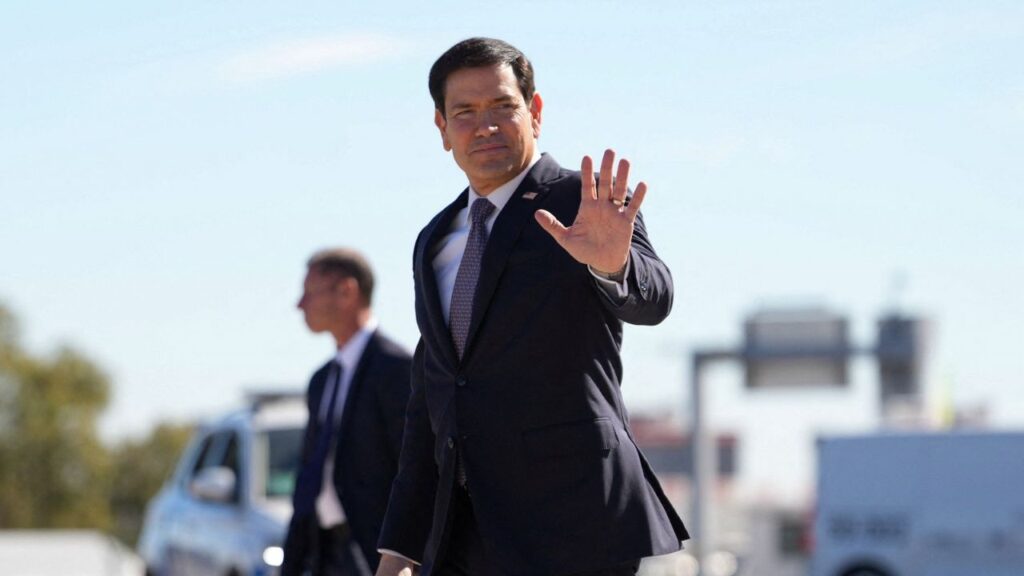
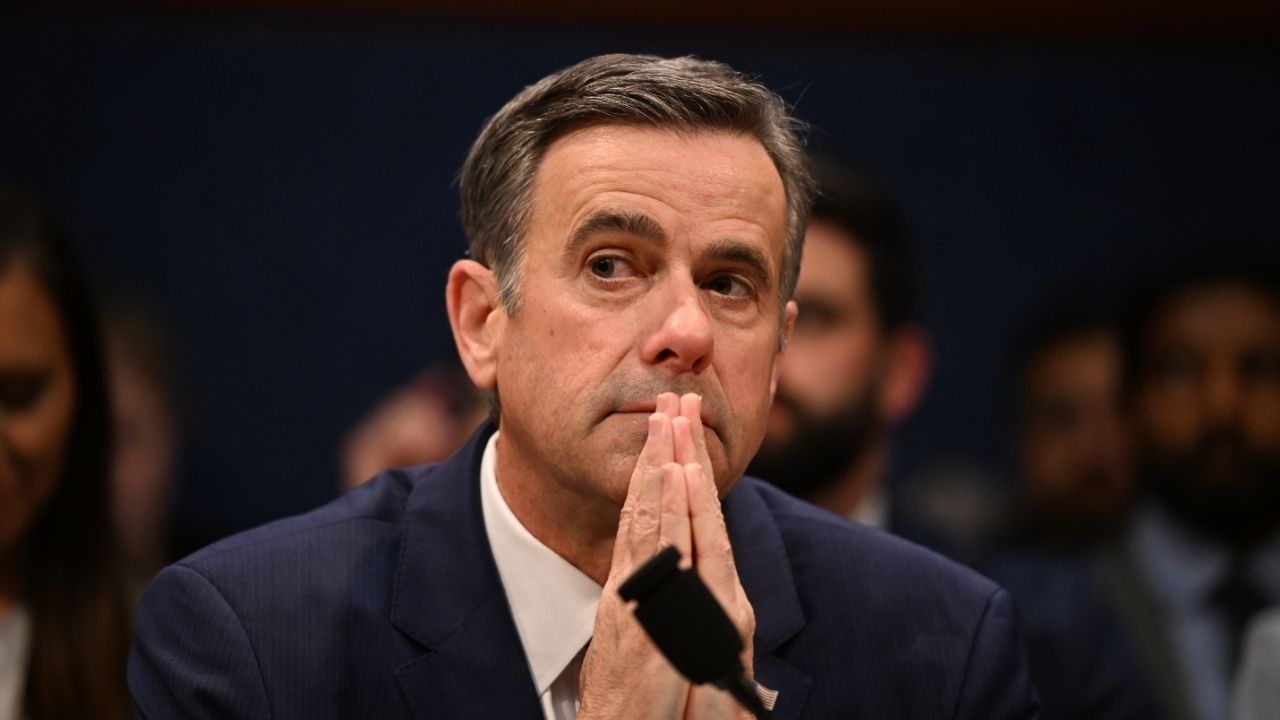
WASHINGTON — CIA Director John Ratcliffe made a secret diplomatic trip to Moscow on Tuesday, according to people briefed on his travel.
Data from the online flight tracking service FlightRadar24 showed that Ratcliffe was on the ground for about eight hours. It was not immediately clear why he was in Moscow or whom he met with in the Russian capital.
Steve Witkoff, President Donald Trump’s special envoy, has led negotiations with Moscow on behalf of the administration over the war in Ukraine. But Ratcliffe was named to the team last year to help handle negotiations to end the war.

Although the Russian government was silent on the meeting, Ratcliffe’s decision to fly on a military aircraft, probably for increased security, drew immediate attention.
On Tuesday morning, Russian Telegram channels began reporting that a U.S. military C-17A cargo plane had flown from Andrews Air Force Base near Washington and landed at Moscow’s Vnukovo Airport after a stop in Riga, the capital of Latvia. That was followed by reports of a motorcade with diplomatic plates in the Russian capital.
The Kremlin spokesperson, Dmitry Peskov, told reporters that he had no information about the plane and that there were no plans for meetings at the Kremlin this week with representatives of the U.S. administration. He spoke before CBS News reported Ratcliffe’s trip. The CIA also declined to comment.
The CIA has also been involved in talks with Russia over the release of a number of Americans currently held in Russian prisons.
Among them is Stephen Hubbard, 74, a former teacher. He has been held by Russia since April 2022, charged with joining Ukrainian military forces. The State Department has designated Hubbard as wrongfully detained.
A Russian court sentenced him in 2024 to six years and 10 months in prison.
This month, Russia released Robert Gilman, a former Marine, who had spent more than four years in a prison.
Previous heads of the CIA have held negotiations with their Russian counterparts even at moments of extreme tension between Washington and Moscow.
William J. Burns, the CIA director under President Joe Biden, for example, flew to Moscow in November 2021 to warn the Russian government against its impending invasion of Ukraine.
Burns also met with his Russian counterpart in Turkey in late 2022 and warned Russia against the use of nuclear weapons in Ukraine.
At the time, the Russian military was in retreat on the battlefield in Ukraine, and members of the Biden administration were concerned that President Vladimir Putin might turn to Russia’s nuclear arsenal, the biggest in the world.
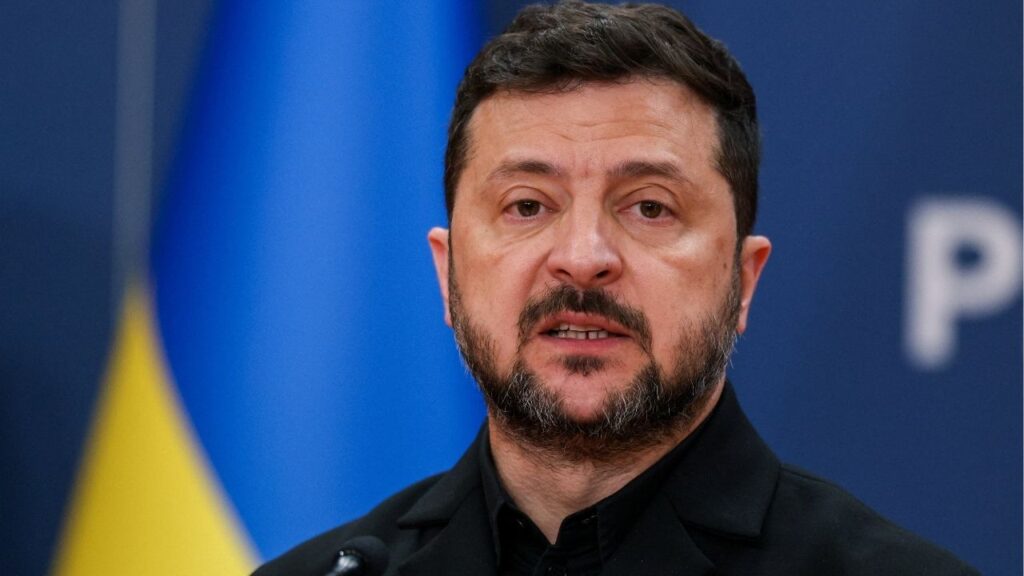
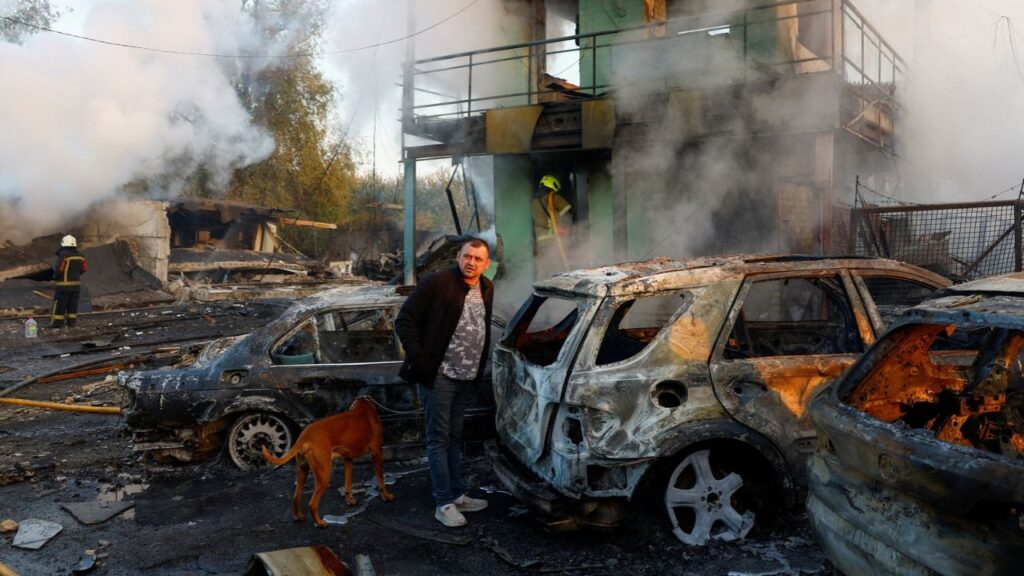
After more than four years of fighting, the war in Ukraine has settled into a destructive form of attrition warfare that has imposed deep costs on both sides.
Russia’s advance in eastern Ukraine has slowed, and the war continues to claim large numbers of lives. Ukraine has used advanced drones to both kill Russian infantry forces and strike in Russian territory. But the attacks have not changed Putin’s calculus and Ukraine has not been able to completely halt the Russian advance or roll back its gains.
European diplomats believe there is an opening for a new diplomatic push in the fall or winter, but it is unclear how focused the Trump administration is on the war in Ukraine, given the fighting in the Middle East and Iran.
—
This article originally appeared in The New York Times.
By Julian E. Barnes and Paul Sonne/Kenny Holston
c. 2026 The New York Times Company