
|
Getting your Trinity Audio player ready...
|
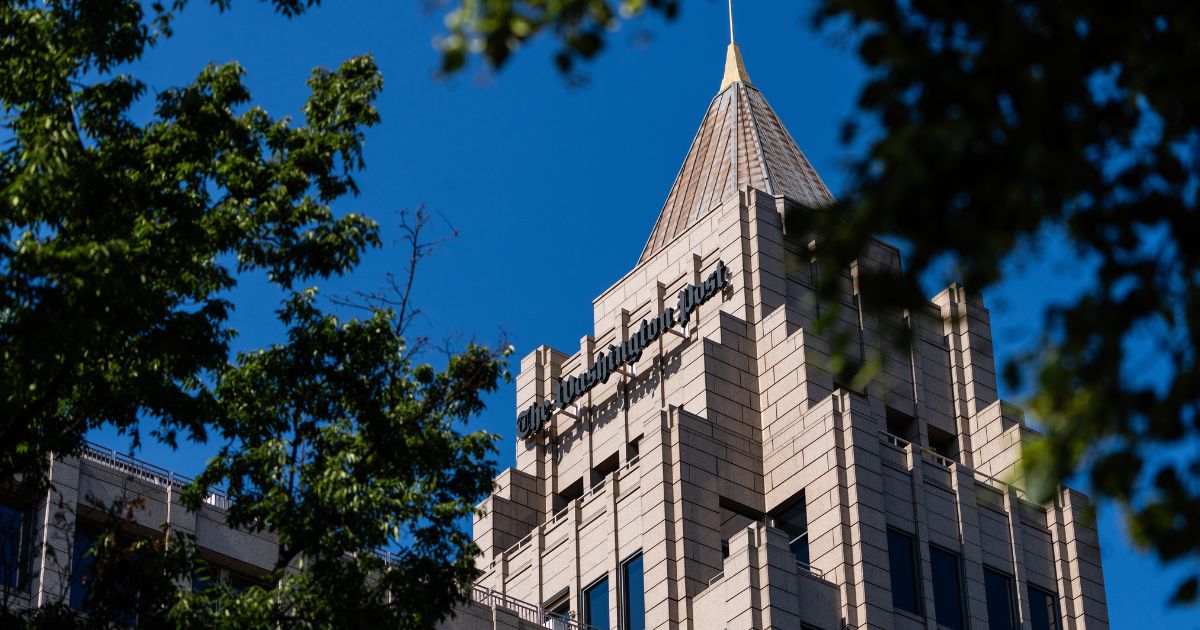
Adam O’Neal, the top editor of The Washington Post’s opinion section, resigned Friday, a little over a year after Jeff Bezos, the paper’s owner, hired him to reorient the section toward a more libertarian bent.
“While this was not an easy decision, I am leaving proud of how far the opinion section has come and optimistic that its best days lie ahead,” O’Neal wrote in a note to colleagues. He did not say in the note why he was leaving.
Jeff D’Onofrio, publisher and chief executive of the Post, wrote in a separate note that O’Neal had made the call to step down. “I want to thank him for his leadership and hard work in reimagining the section,” D’Onofrio wrote.

O’Neal’s announcement delivered another shock to a news organization that underwent drastic changes in the past few years. In 2023 and 2025, it offered buyouts that shrank the news staff by more than 200 journalists. And in February, the Post laid off in excess of 300 journalists, hollowing out its sports, local and international teams.
In February 2025, Bezos issued a directive to focus the opinion section on “two pillars: personal liberties and free markets.” He wrote that the section would “cover other topics too of course, but viewpoints opposing those pillars will be left to be published by others.”
The opinions editor at the time, David Shipley, resigned over the mandate, and O’Neal took over months later. Under his direction, the paper’s editorial positions often encouraged lower taxation and less government regulation.
In his note to the staff, D’Onofrio wrote: “This past year, under the leadership of Adam O’Neal, Post Opinions has become more balanced in perspective, more financially sustainable and more accessible to readers than ever before.”
—
This article originally appeared in The New York Times.
By Erik Wemple/Eric Lee
c. 2026 The New York Times Company