


|
Getting your Trinity Audio player ready...
|
A federal judge on Monday blocked a Minnesota state law that would ban prediction markets days before it was set to go into effect, siding with a federal financial regulator and two companies that had sued to stop it.
In May, Minnesota became the first state to pass a law making it a felony for most prediction markets to locally operate and advertise. The Commodity Futures Trading Commission, a federal agency that oversees prediction markets, and the markets Kalshi and Polymarket sued, arguing that the platforms can be regulated only at the federal level.
On Monday, Judge Kate M. Menendez of the U.S. District Court for the District of Minnesota granted a preliminary injunction to halt the law from going into effect Saturday, finding that the companies faced a threat of irreparable harm. The law will remain on hold until a final ruling is made in the case.

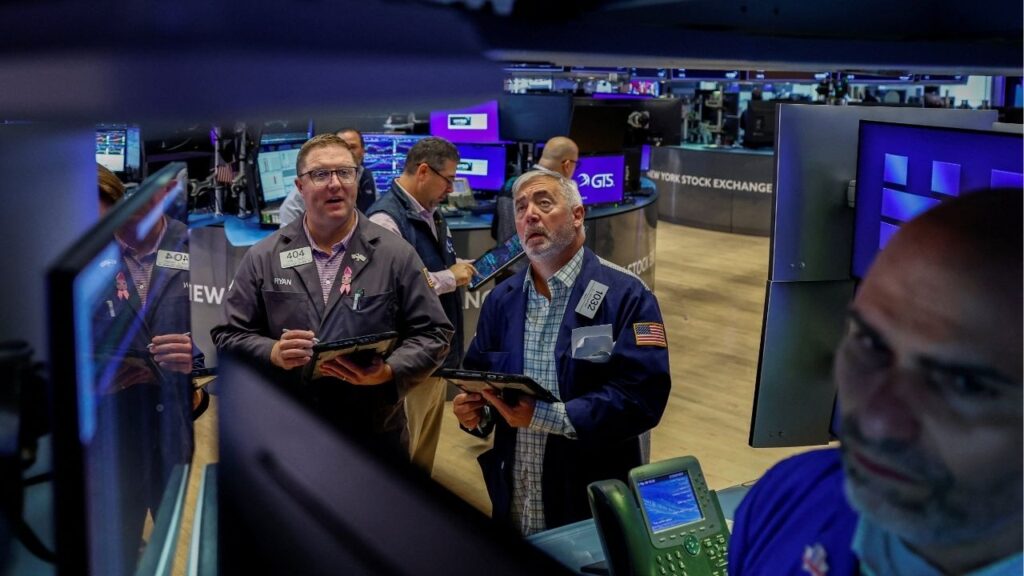
Kalshi and Polymarket, platforms where users can place wagers on outcomes from sporting events, reality TV and more, have surged in popularity in recent months and transformed into cultural phenomena. The companies have attracted billions of dollars in trades, but their popularity has raised concerns about whether they are being manipulated by those with insider information or fueling gambling addictions.
More than a dozen states have sought to enforce anti-gambling laws already on the books to block prediction market trading. But the Commodity Futures Trading Commission has sued over those moves, arguing that federal regulations preempt state laws.
Political Impacts
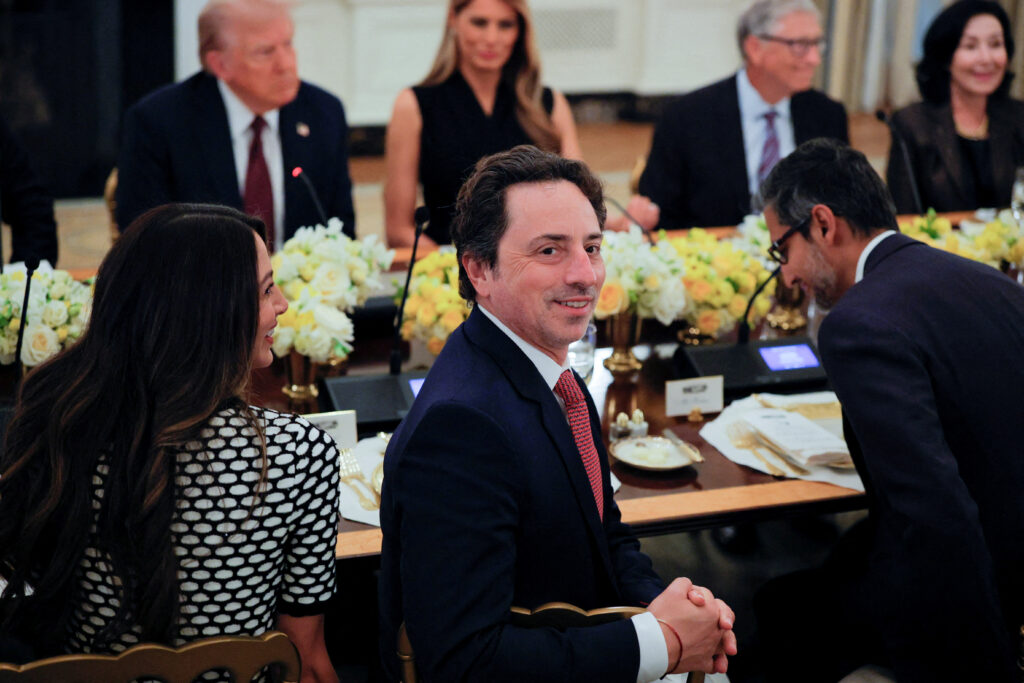
The agency has faced criticism for making what appear to be favorable decisions for prediction markets with ties to the Trump family. Donald Trump Jr. advises Kalshi and Polymarket, and he backs Polymarket financially.
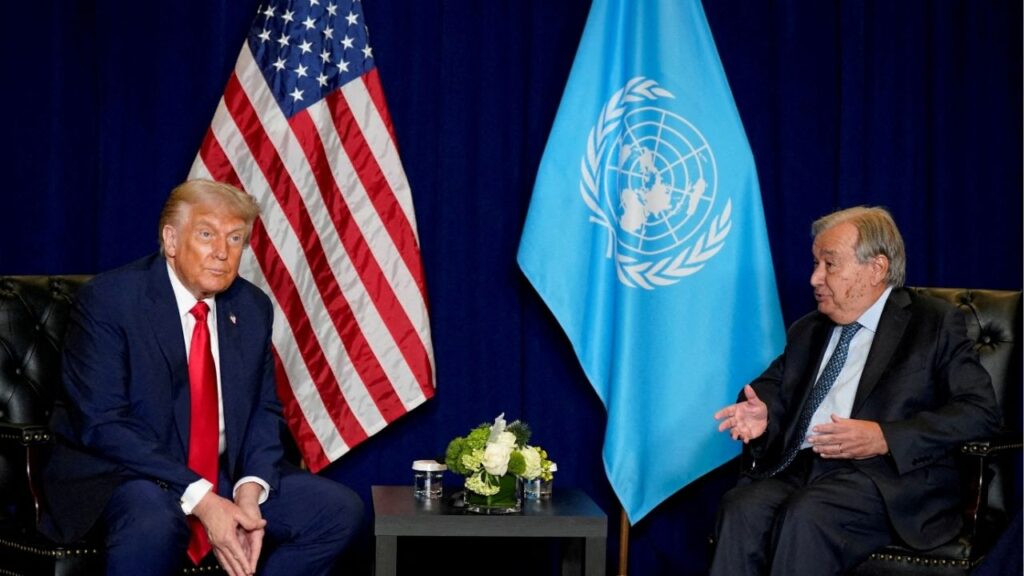
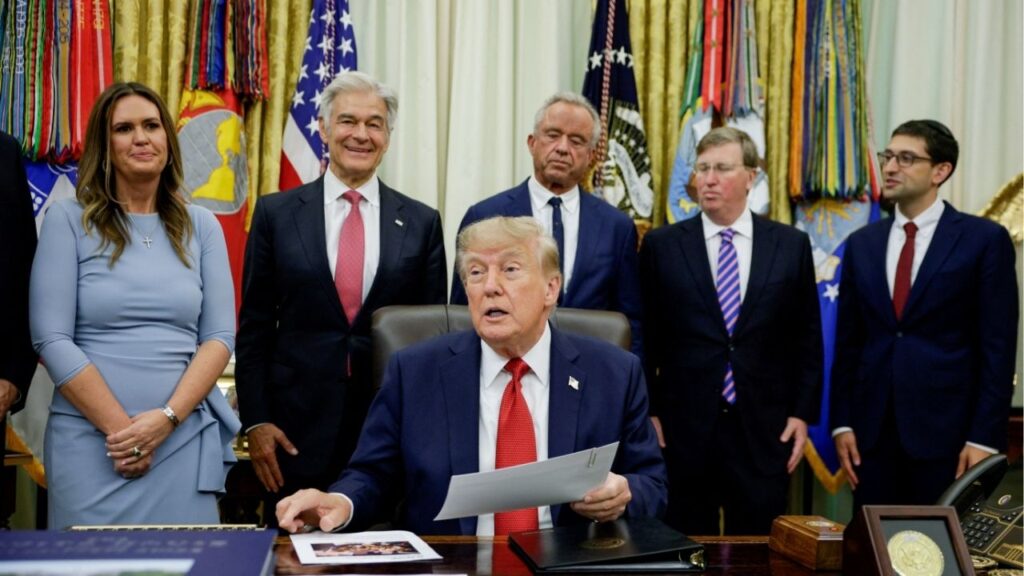
President Donald Trump has posted on Truth Social that the agency, not states, must have “exclusive authority” over prediction markets.
Some states, including New York and Washington, have won against the agency’s challenges.
But the agency has also prevailed. In April, a judge in Arizona granted a temporary restraining order to the agency to halt the state from continuing a criminal case against Kalshi.
Michael S. Selig, the agency’s chair, said in a statement on social media on Monday night that the agency appreciated the Minnesota court’s careful consideration of the issues.
Kalshi said in court documents that as of the end of May, it had more than 90,000 users in Minnesota who were spending millions of dollars on trades.
Response From Kalshi and Polymarket
“Today’s decision makes it clear: States cannot ban things that they don’t have jurisdiction over,” Elisabeth Diana, a Kalshi spokesperson, said in a statement.
Neal Kumar, Polymarket’s chief legal officer, said the company was looking forward to continuing to operate in Minnesota.
Minnesota lawmakers have maintained that banning prediction markets is necessary for public health and safety in a state where sports betting is illegal.
“Prediction markets are gambling, plain and simple, and Minnesota has every right to keep predatory gambling out of our communities,” Keith Ellison, Minnesota’s attorney general, said in an emailed statement. He said the state would continue to defend the law before the court.
–
This article originally appeared in The New York Times.
By Lauren McCarthy/Eric Helgas
c. 2026 The New York Times Company