


|
Getting your Trinity Audio player ready...
|
The United States and Iran pressed on with their daily strikes as the region watched anxiously Tuesday to see how the Houthis, the Iranian-backed militants in Yemen, would attempt to impose a blockade on Saudi ships.
The Houthis had yet to enforce their threat by firing on passing ships, as they have done in the past. But the militia’s announcement Monday added to fears of a wider regional war amid turmoil in global energy markets. The price of Brent crude, the international benchmark, surpassed $90 a barrel Tuesday, nearing its highest level in the past month.
With the preliminary ceasefire deal declared last month effectively collapsed, U.S. forces launched their 10th straight night of attacks on Iran overnight. U.S. Central Command, which oversees Middle East operations, said Tuesday that the targets included military command centers, as well as missile and drone launch sites.

And Iran said it had launched new strikes on Kuwait, Bahrain and Jordan, countries in the region that host U.S. military bases. The Kuwaiti government accused Iran of again targeting the country’s critical infrastructure by hitting power plants and water desalination plants the previous day.
The latest exchanges of fire have killed at least three U.S. soldiers, as Iran has stepped up its attacks and broadened the range of its targets. On Tuesday, the Pentagon identified the service member who died Sunday during a controlled detonation of an Iranian drone at Irbil Air Base in Iraq as Sgt. Michael Emmanuel Swinton, 30, of Fayetteville, North Carolina.
The hostilities have escalated over the past week, with only muted signs of the United States and Iran resuming diplomatic efforts to end the war. On Tuesday, Iran’s interior minister met with Pakistan’s prime minister and army chief in Islamabad. Pakistan has been brokering negotiations between the United States and Iran.
The Houthis’ declaration that they would target Saudi shipping threatened to open a new front in the war. The group did not release details of its blockade, but it controls the part of Yemen that hugs the Bab al-Mandab Strait, the southern portal to the Red Sea.
As Iran and the United States fight over control of the Strait of Hormuz, a vital transit route for oil and gas shipments, Saudi Arabia has rerouted some exports through the Red Sea. Any effort to curb Saudi shipments there would likely add more pressure on global energy supplies.
Here’s What Else We’re Covering:
— U.S. injuries: The U.S. military said Monday that the number of American service members wounded in the war in the past two weeks had risen to nearly 100, after not disclosing casualty numbers since the resumption of fighting. The “vast majority” of those injuries, it said, were “mild concussions.”
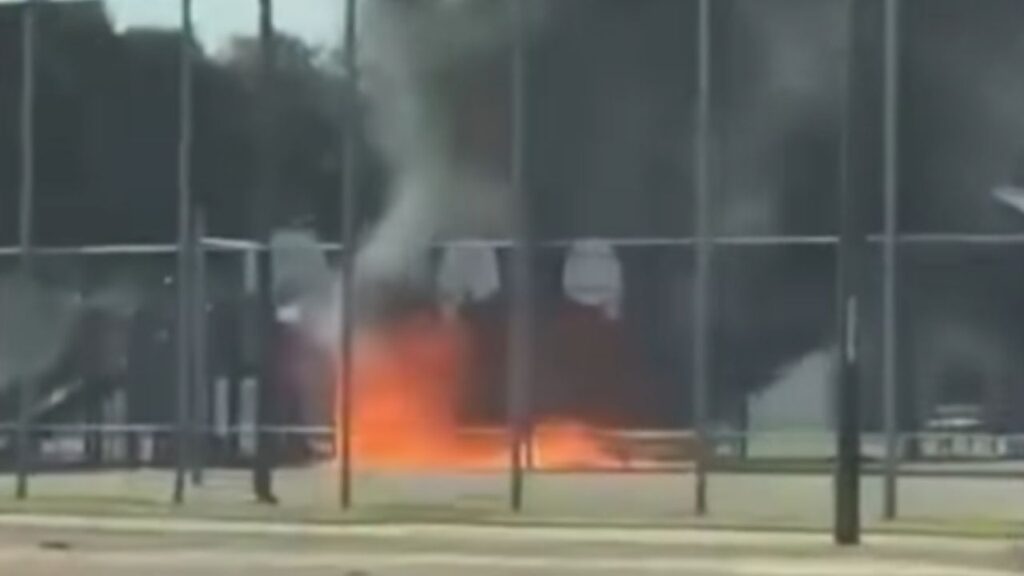
— Iranian attacks: Suspected Iranian strikes have targeted U.S. military installations and other facilities in at least four countries since July 7, according to satellite imagery and videos verified by The New York Times.
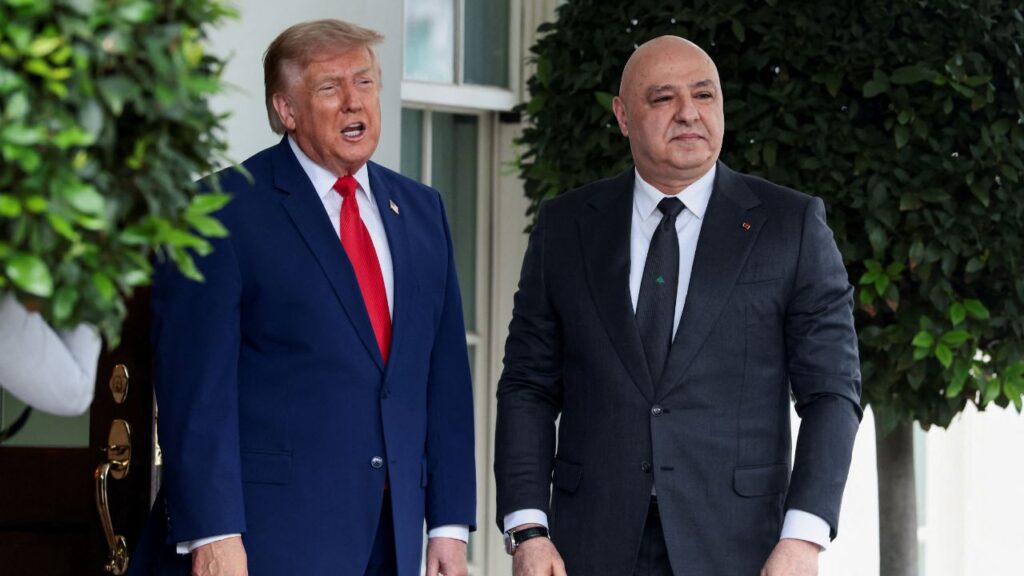
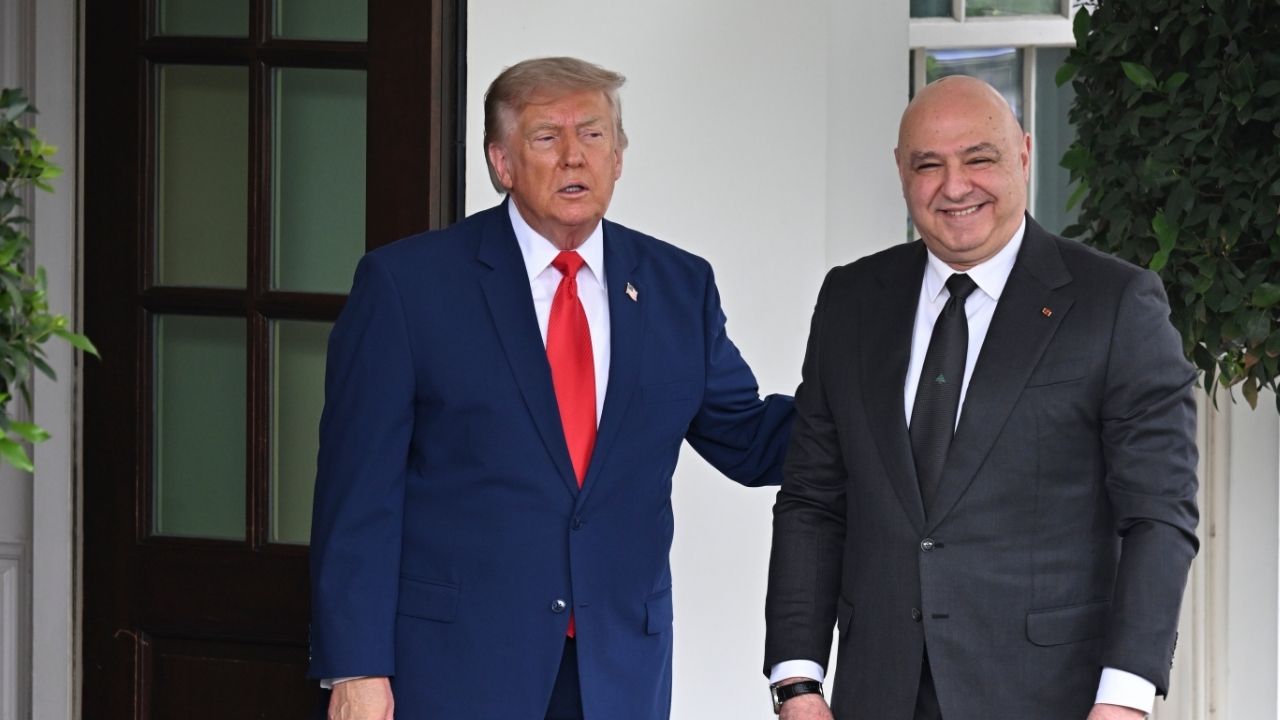
— Lebanon plan: President Donald Trump will meet President Joseph Aoun of Lebanon at the White House on Tuesday. The Lebanese army deployed Tuesday in a village in southern Lebanon after Israeli forces withdrew from it, marking the first step in a phased U.S.-backed plan to end the conflict. It did not go smoothly: The Lebanese military said Israeli forces had opened fire nearby as they entered the area. The Israeli military did not immediately comment.
—
This article originally appeared in The New York Times.
By Aaron Boxerman, Ismaeel Naar, John Ismay and Eric Schmitt/Kenny Holston
c. 2026 The New York Times Company