

|
Getting your Trinity Audio player ready...
|
Oil stockpiles in the world’s largest economies are headed toward the lowest levels since at least 2003 as inventories are drawn down at a record pace due to the lost output from the Iran war, the U.S. Energy Information Administration said on Tuesday.
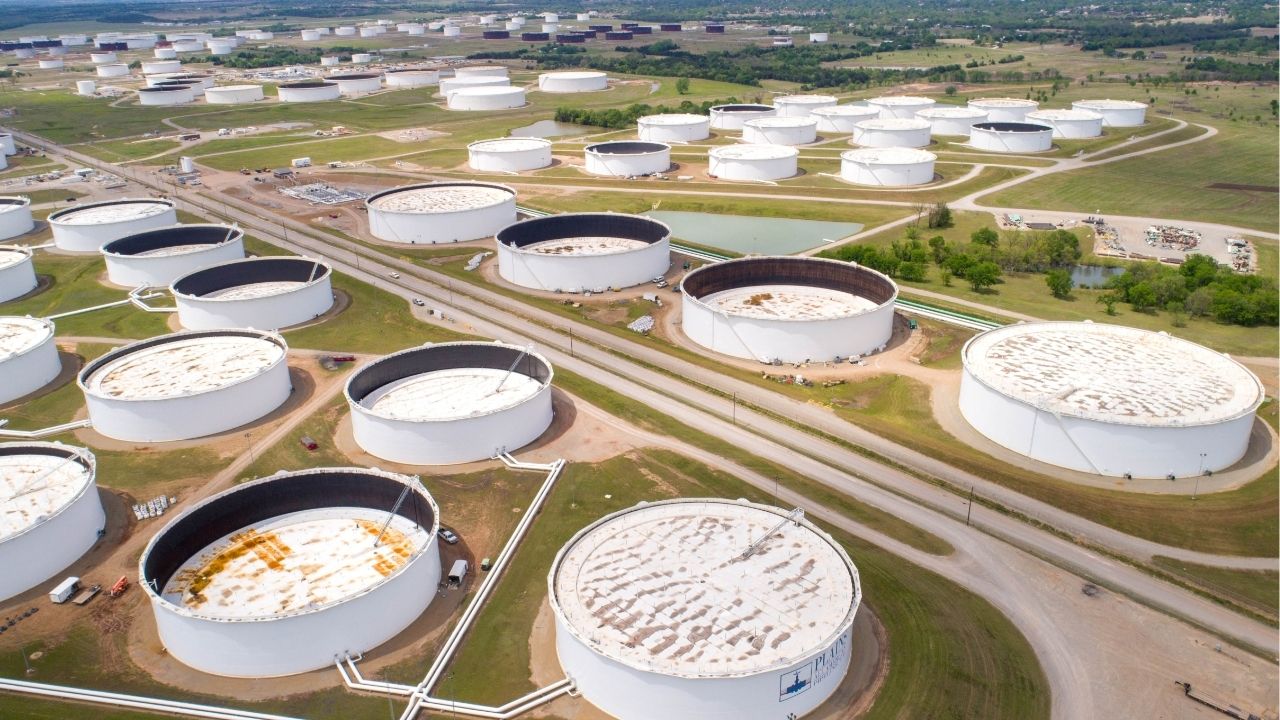
Total oil inventories in the members of the Organization for Economic Cooperation and Development will fall to just under 2.3 billion barrels by December, the EIA said, based on its current assumption that marine traffic through the Strait of Hormuz is unlikely to return to pre-conflict levels until early 2027. The OECD stockpile has not been this low since the EIA began keeping records in 2003, the agency said in its monthly Short-Term Energy Outlook report.
The rapid inventory drawdown, which is needed to make up for 11 million barrels a day of lost Middle Eastern output, creates the foundation for a sharp increase in oil prices in the months ahead, the agency said.

Recent reports that the U.S. and Iran were near a deal to re-open the Strait of Hormuz, a critical waterway that handles 20% of global oil shipments, weighed on prices in recent weeks.
“As of this writing, the agreement has not been finalized. Most oil production in the region remains shut-in, and global oil inventories have continued to fall to meet demand,” the EIA said.
Oil Prices Staying High as Output Shrinks
Prices for global benchmark Brent crude oil are expected to average around $105 a barrel in June and July in the spot market, the EIA said, well above the $91.60 a barrel in the futures market on Tuesday.
“Because of the size of the drawdown in global inventories, we forecast that oil prices will remain elevated until global oil flows return to normal levels and oil inventories are replenished,” the agency said.
High oil prices, a reduction in fuel availability, and governmental initiatives designed to conserve oil will cause global oil demand to shrink this year for the first time since the pandemic-related slump of 2020, the EIA said.
The agency now expects a reduction in demand this year of 1.1 million bpd, reversing its earlier forecast of a rise of 200,000 bpd.
(Reporting by Shariq Khan and Scott DiSavino in New York; editing by Mark Porter and Paul Simao.)