


|
Getting your Trinity Audio player ready...
|
Iran’s military announced on Monday that its first wave of attacks on Israel since a ceasefire in April was now over, although it threatened to resume the strikes if Israel continued attacks on Lebanon.
There was no immediate response from Israel, which had launched attacks on Iran after Tehran fired missiles towards Israel late on Sunday. Iran had said its strikes were in retaliation for Israeli strikes on the outskirts of Beirut.
Earlier, U.S. President Donald Trump demanded that Israel and Iran “immediately stop ‘shooting'”.

The flurry of attacks drove oil prices up around 4% and threatened to wreck U.S.-led efforts to broker a deal to end the war.
Israel hit a petrochemical plant in southwestern Iran that it said was used to produce ballistic missiles. Iran’s Islamic Revolutionary Guard Corps (IRGC) said it retaliated with a strike aimed at a similar Israeli plant in the city of Haifa.
The first direct exchange between Israel and Iran since April could interfere with Trump’s efforts to end the war he launched alongside Israel at the end of February.
Iran’s military headquarters said it had “delivered a painful response” against Israel for its attacks on Lebanon, including Sunday’s strikes on the outskirts of Beirut.
“Accordingly, the operations of the armed forces are hereby declared halted; however, it is emphasized that if the aggressions and acts of mischief continue — including in southern Lebanon — much more severe and crushing actions than before will follow.”
In one of several posts on social media, Trump said Israel and Iran both wanted “an immediate CEASEFIRE! Final negotiations on ‘Peace’ are proceeding, subject to ignorance or stupidity getting in its way.” He added that a U.S. blockade of Iranian ports would remain in place till a final deal was reached.
An Israeli official said Trump had spoken on Monday to Prime Minister Benjamin Netanyahu.
Earlier on Monday an Israeli military official said Israel was prepared for a range of options for military strikes against Iran, from several days to “as long as it takes”. Israel had struck Iranian air defence systems that were being rebuilt after previous Israeli attacks, as well as the petrochemical plant.
In a similarly defiant vein, an Iranian military source quoted by the Tasnim news agency had said Tehran was prepared for a prolonged conflict with Israel and for renewed strikes against U.S. interests in the region.
‘Extreme Suspicion’
Iranian Foreign Ministry spokesperson Esmaeil Baghaei said Tehran was exchanging messages with Washington in an atmosphere of “extreme suspicion”. Israel’s actions in Lebanon, whether carried out with U.S. knowledge and consent or not, were aimed at sabotaging diplomacy, he added.
“The United States bears direct responsibility for any action the Zionist regime (Israel) takes in relation to violating regional peace and security against Iran,” he said.
Iranian media reported the sound of explosions in Tehran on Monday, and the semi-official Mehr news agency said air defenses had shot down a drone over the capital. There were no immediate reports of casualties or damage.
Yemen’s Iran-aligned Houthis pledged in a statement to stop Israel’s maritime navigation in the Red Sea, and said they had also fired missiles at Israel.
The Houthis have so far largely stayed out of the regional war; they control territory at the mouth of the Red Sea, increasingly important as the alternative route for millions of barrels per day of Middle East oil otherwise blocked by Iran’s grip on the Strait of Hormuz.
The Israeli military official said Iran had fired “close to 30 ballistic missiles” at Israel since Sunday evening, and the Houthis a further two missiles.
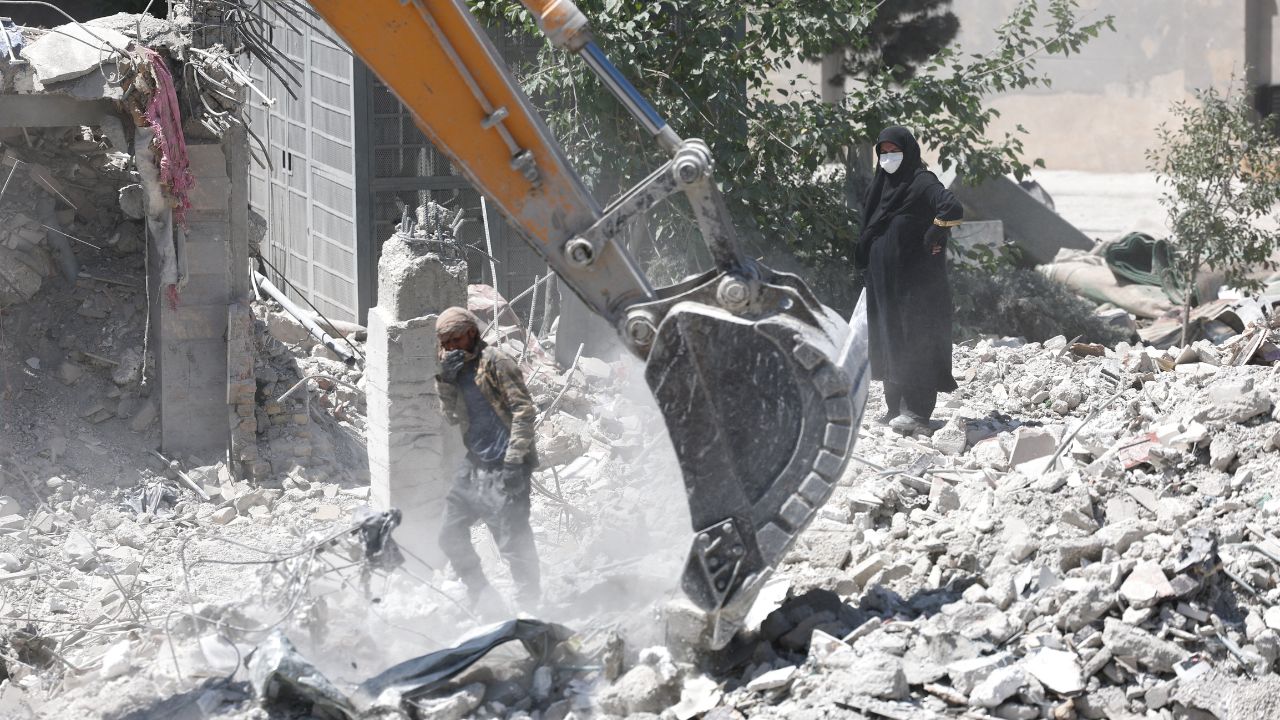
Israel said it struck targets at the Mahshahr petrochemical complex that were used to produce and export raw materials for Iran’s missile program. A provincial official told Iranian media parts of the plant were damaged.
(Reporting by Reuters bureaus; Additional reporting by Steven Scheer in Jerusalem; Writing by Clarence Fernandez and Gareth Jones; Editing by Kate Mayberry and Ros Russell)