
|
Getting your Trinity Audio player ready...
|
President Donald Trump on Sunday escalated his threats to bomb Iranian power plants within the next two days and taunted the country’s leaders in an expletive-laden social media post.
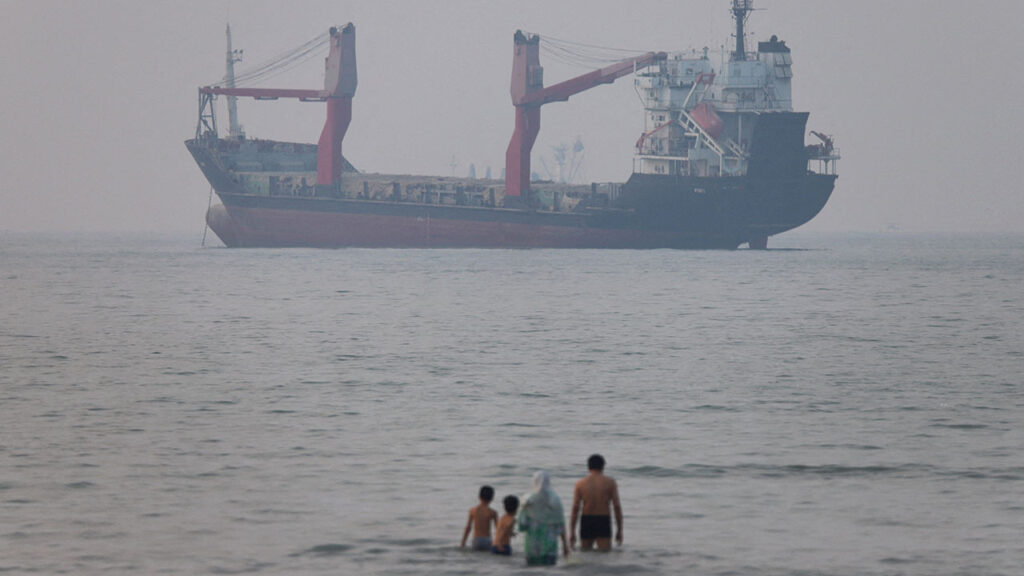
Trump, seemingly emboldened by the successful U.S. rescue of an American airman in Iran over the weekend, issued a new ultimatum to Iran to end its chokehold over the Strait of Hormuz, a major Persian Gulf waterway for the transport of oil and gas, by Monday.
If Iran’s government did not, he said, U.S. forces would target the country’s energy infrastructure, which supplies power for millions of civilians.

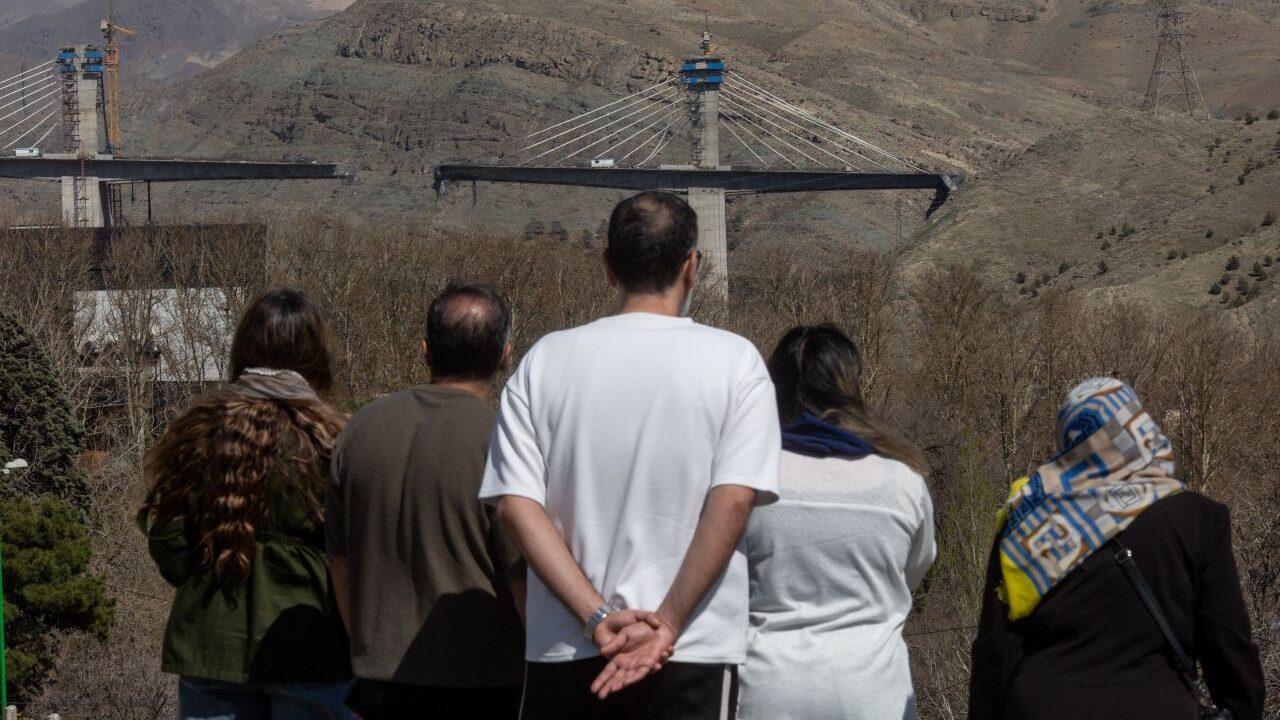
“Tuesday will be Power Plant Day, and Bridge Day, all wrapped up in one, in Iran. There will be nothing like it!!!” Trump wrote on social media. The president has previously postponed his deadline to attack twice and the Omani Foreign Ministry said officials had discussed how to reopen the Strait of Hormuz with Iranian counterparts without reaching a definitive agreement.
“Praise be to Allah,” he added, before signing off in all caps.
Iran has threatened to retaliate by intensifying its attacks on critical infrastructure in Israel and Arab states that are allied with the United States. An escalation could further derail the lives of civilians throughout the region and add to worries about the global economy, which has been rattled by soaring energy prices since the start of the war.
Airman Rescued Deep in Iran
Over the past two days, the U.S. military has been in a race with Iranian armed forces to find the missing airman after an F-15E jet was shot down over Iran on Friday. It was the first known instance of a U.S. combat aircraft being downed since the start of the war.
The plane’s pilot was quickly rescued. But a second officer was stranded in Iran and injured in the incident. U.S. commandos found the airman deep inside Iranian territory under the cover of darkness.
There were no U.S. casualties among the rescue team, Trump said Sunday. The rescued officer had “sustained injuries, but he will be just fine,” Trump added.
The incident underscored Iran’s ability to fight back despite weeks of attacks on its military arsenal. Another U.S. aircraft, an A-10 Warthog attack plane, crashed near the Strait of Hormuz at about the same time, and the lone pilot was rescued, two U.S. officials said. The Iranian military said its air defense systems had hit an A-10. The U.S. officials did not say what caused the plane to go down.
Power and Water Plants Hit in Kuwait
On Sunday, Israel and a number of Gulf countries reported attempted drone and missile strikes by Iran. Kuwaiti officials said Iranian drones significantly damaged two power and water desalination plants, and sparked a fire at the Kuwait Petroleum Corp.’s oil complex.
U.S. officials had sought an off-ramp to the war with Iran by passing messages through Pakistani mediators. But Iranian officials have publicly dismissed the U.S. demands, which would have restrained Iran’s missile and nuclear programs.
Here’s what else we’re covering:
— Airman rescue: U.S. commandos operated deep inside Iran at night in one of the most challenging and complex rescues in the history of U.S. special operations. A Navy SEAL Team extracted him after a nerve-racking race between the United States and Iran.
— Dwindling interceptors: The war in the Middle East has underscored the importance of antimissile interceptors in warfare but the conflict is rapidly depleting global supplies. Israel and Persian Gulf states have managed to weather most Iranian ballistic missile barrages thanks to sophisticated defenses, but it is unclear how long the stockpiles will last, even as conflicts loom elsewhere around the world. Despite U.S. and Israeli efforts, Iran has been quickly repairing its bombarded missile bunkers and silos, according to U.S. intelligence reports.
— Petrochemical factories hit: Israel on Saturday struck a petrochemical complex in Mahshahr, a sprawling industrial center in Iran’s southwest that plays a significant role in the country’s economy. Prime Minister Benjamin Netanyahu of Israel said the targeted sites were part of a “money machine” that brought in revenues for the Iranian government. At least five people were killed and 170 others injured in the attack on the major oil industry hub, state media in Iran reported.
This article originally appeared in The New York Times.
By Aaron Boxerman, Greg Jaffe, Helene Cooper, Yan Zhuang and Eric Schmitt/Arash Khamooshi
c.2026 The New York Times Company