
|
Getting your Trinity Audio player ready...
|
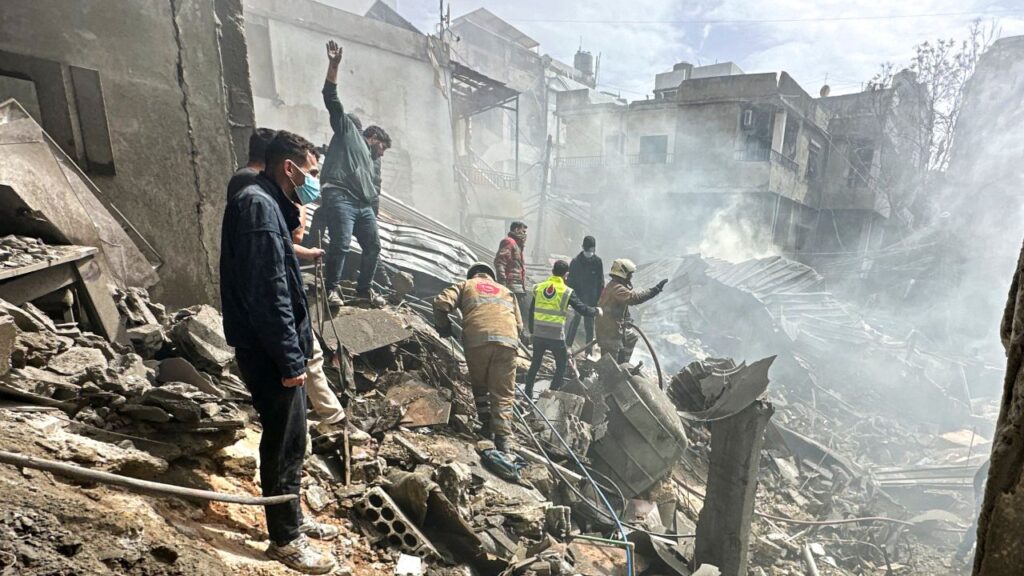
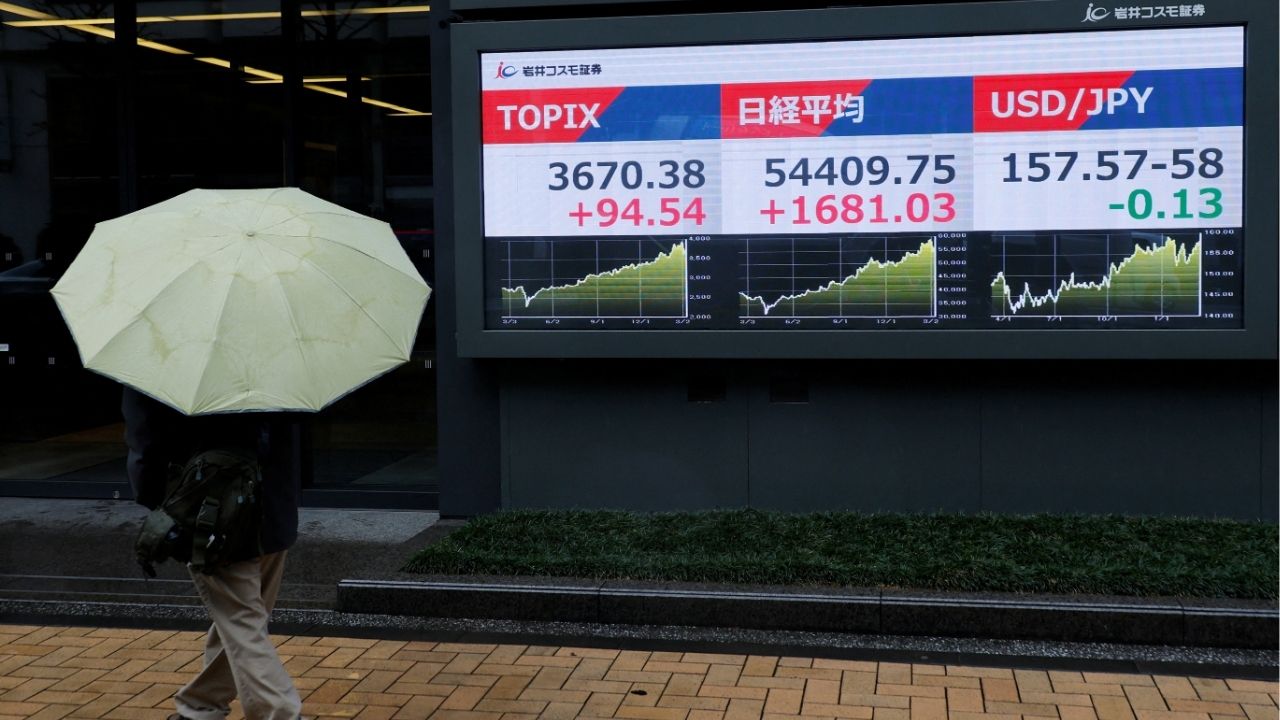
Global shares fell on Thursday as attacks on oil tankers in the Gulf and warnings from Iran shattered prospects of quick de-escalation in the Middle East conflict, pushing oil prices to around $100 a barrel and stoking inflation concerns.
Wall Street’s stock indexes slumped, dragged down by rising oil prices and concerns about the private credit market. The Dow Jones Industrial Average and the S&P 500 dropped about 1.5%, and the Nasdaq Composite lost 1.8%. The STOXX 600 pan-European equity benchmark slipped 0.6%, while the MSCI All-World index fell 1.5%.
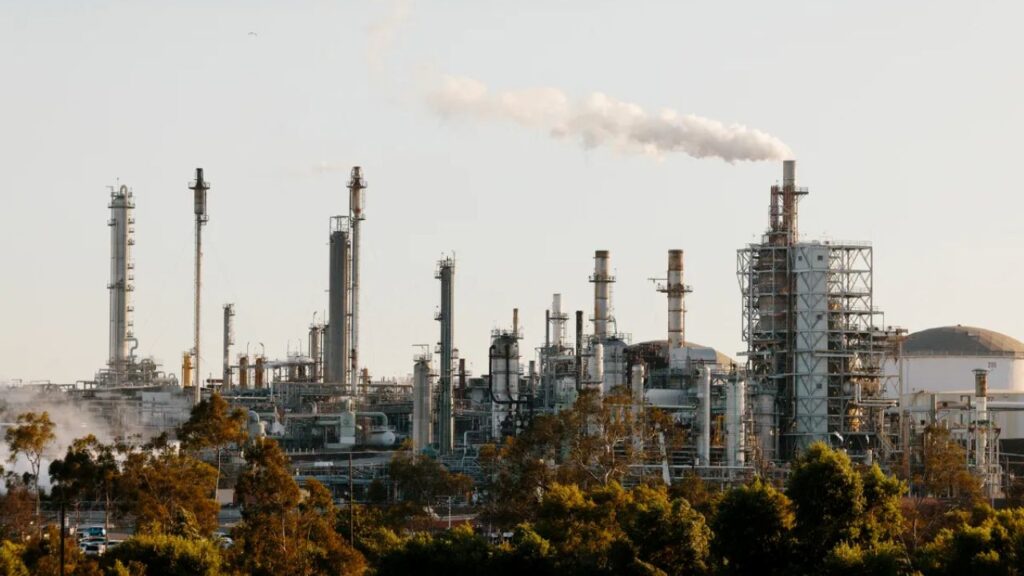
Brent crude futures settled at $100.46 a barrel, up $8.48, or 9.2%, after touching a session high of $101.60. U.S. West Texas Intermediate crude settled at $95.70, up $8.48, or 9.7%. Both contracts settled at their highest since August 2022, as doubts persisted over whether reserve releases would be enough to cushion the hit from the Middle East supply shock.

Monica Guerra, head of U.S. policy at Morgan Stanley Wealth Management, said in a report on Thursday that geopolitically driven equity volatility is historically short-lived. But if higher oil prices persist, “the Fed’s reaction function could be complicated, supporting a higher fed funds rate for longer.”
Iran Warns of More Attacks
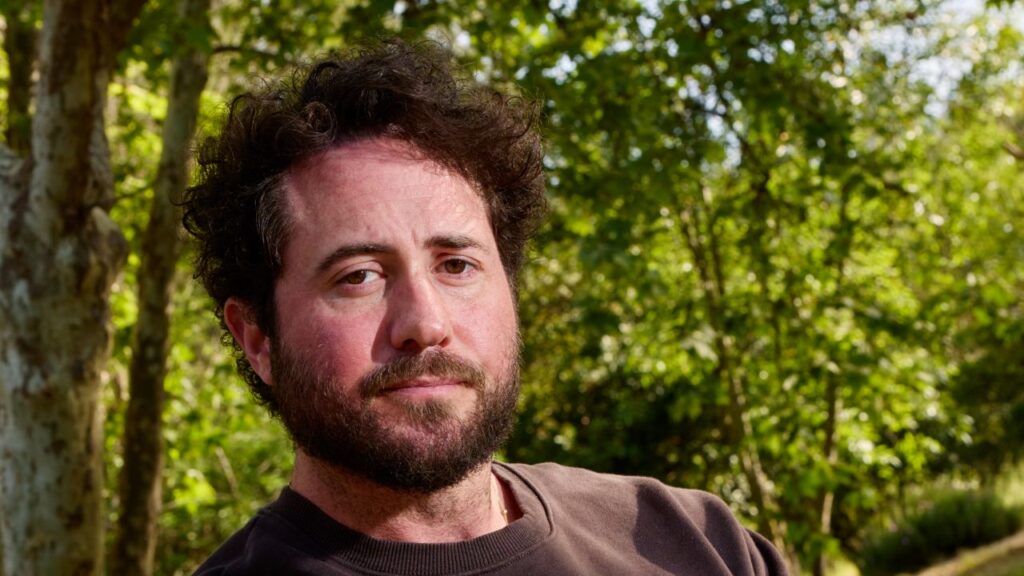
Iran will avenge the blood of its martyrs, keep the Strait of Hormuz closed and attack U.S. bases, new Supreme Leader Ayatollah Mojtaba Khamenei said on Thursday in a statement read on state television, his first remarks since succeeding his slain father.
Earlier, two fuel tankers in Iraqi waters were struck by explosive-laden Iranian boats, Iraqi security officials said, while an Iraqi official told state media its oil ports “have completely stopped operations.”
Iran had earlier stepped up attacks on merchant ships in the Strait of Hormuz, increasing the number of ships struck in the region since fighting began to at least 16. Tehran has warned the world to get ready for oil at $200 a barrel, although U.S. Energy Secretary Chris Wright said on Thursday global oil prices are unlikely to hit that price.
“The longer this goes on, the more stress there is inserted in global markets,” said Ayako Yoshioka, portfolio consulting director at money manager Wealth Enhancement.
Inflation Risks
Data on Wednesday showed the U.S. consumer price index rose 0.3% in February, in line with forecasts and above January’s 0.2% increase. The report was not regarded as particularly relevant however given the Iran war has started to fuel inflation.
In bond markets, the risk of rising inflation outweighed safe-haven considerations to push yields higher globally. Yields on 10-year Treasury notes rose 5.5 basis points to 4.261%, while two-year Treasury yields hit a six-month high.
Also worrying markets was the $2 trillion private credit market after Swiss private equity firm Partners Group warned default rates could double in the next few years.
Morgan Stanley fell 4% after limiting redemptions at one of its private credit funds following similar actions by Blackstone and BlackRock earlier this month. Blackstone and BlackRock were down 4.7% and 2.9% respectively.
The U.S. Federal Reserve will cut interest rates for the first time this year in June, according to economists polled by Reuters. Nearly 40% expect just the one rate reduction or none this year, almost double the share predicting three or more.
Nervous investors sought the liquidity of dollars while shunning currencies from countries that are net energy importers, including Japan and much of Europe.
The euro slipped 0.45% to $1.1515. The dollar was 0.28% stronger at 159.36 yen. The dollar <=USD> has risen by more than 1.5% against a basket of major currencies and is close to its highest level since November, in part due to its safe-haven appeal, but also because the U.S. is a net energy exporter.
Gold prices fell around 1.7% to $5,088 an ounce.
—
(Reporting by Lawrence Delevingne in Boston, Niket Nishant in London and Stella Qiu in Sydney. Additional reporting by Caroline Valetkevitch in New York. Editing by Mark Potter, Kirsten Donovan and Chris Reese)