
|
Getting your Trinity Audio player ready...
|
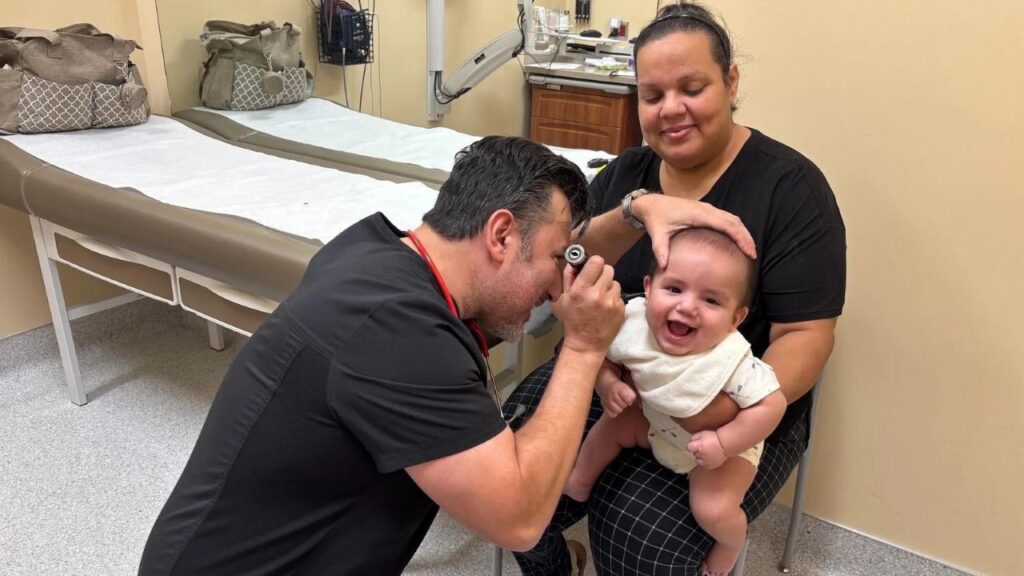
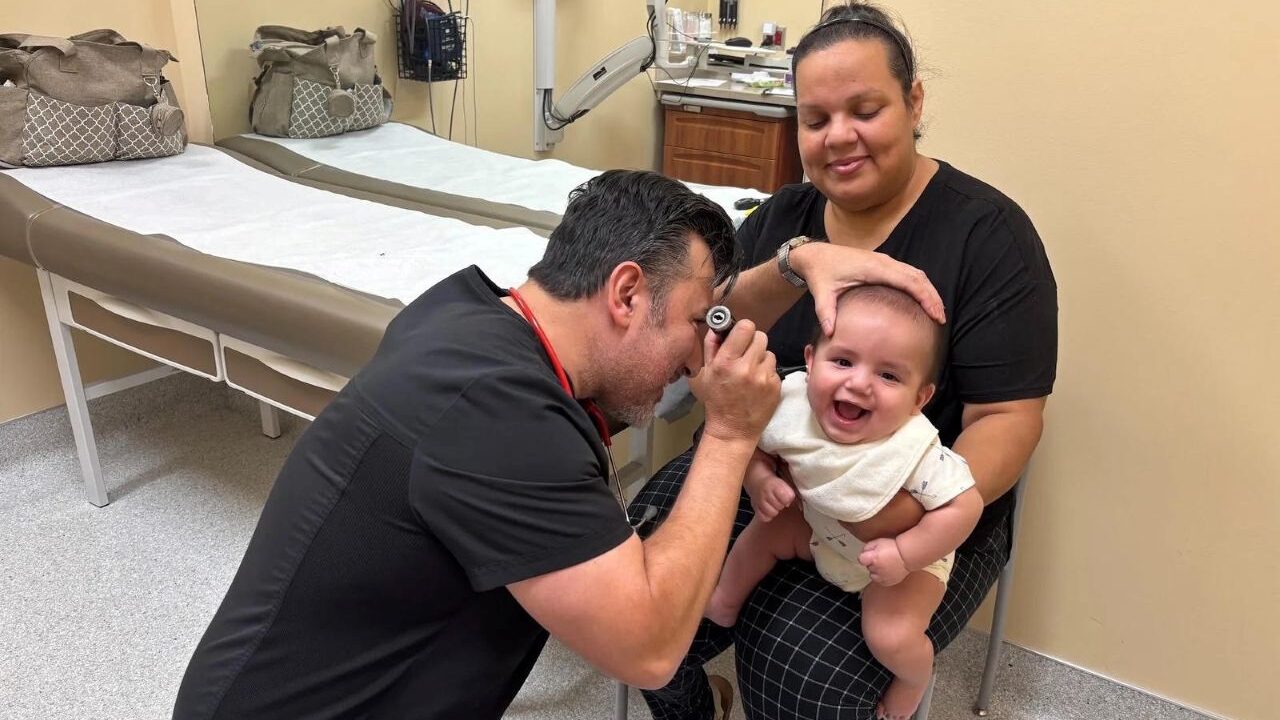
This year, as children were headed back to school, reporters at The Intersection asked a question: Have the Trump administration’s efforts to disrupt longstanding norms of vaccine access and information impacted childhood vaccination rates in the San Joaquin Valley?
By ChrisAnna Mink
The Intersection
It turns out, children in the Valley have maintained high rates of receiving the vaccinations required to attend school. By high rates, we mean above the 95% threshold required to achieve community immunity and keep public health officials feeling optimistic.
But there were a few schools, less than 1%, where more kids weren’t getting all the recommended shots. The question then became: was this a hint of things to come?
Amid a rapidly changing landscape of vaccine information and misinformation, and a growing number of measles cases across the U.S., we want to hear your perspectives on vaccines.

To complete our anonymous survey, follow this link.
Your Input Is Important
Why is your input important?
Over the past few years, the U.S. has seen a steady increase in measles cases due to falling vaccination rates, in part because of eroding trust in public health after the COVID-19 pandemic and rising anti-vaccine beliefs, according to the Kaiser Family Foundation.
On Nov. 13, the U.S. lost its “measles elimination” status with the Pan-American Health Organization due to ongoing spread of the virus across the country for 12 months.
By mid-November, nearly 5,200 cases had been reported nationwide, and 96% of cases occurred in people who were unvaccinated or of unknown vaccination status, according to the Centers for Disease Control and Prevention. Sixty measles cases had been reported to the California Department of Public Health as of Nov. 9.
95% Vaccination Rate Is Needed
A vaccination rate of 95% is needed to provide community immunity against measles. That rate was last met among kindergartners nationwide at the start of the 2019-2020 school year, pre-pandemic, and fell to 92.4% for the 2025-2026 school year. Only 11 states, including California, have maintained rates above 95%.
Last month, The Intersection reported that in seven of eight San Joaquin Valley counties, measles vaccination rates were 95% or higher for kindergartners at the beginning of 2025-26 school year, the most recent available data. Kern County’s rate was 93%, and with two cases, it was the only Valley county to report measles cases this year.
Sharing your perspective will add to our understanding of how San Joaquin Valley residents get their vaccine information, and which sources they trust. We’ll share the results in a future article. To complete our anonymous survey, follow this link.
Our previous reporting found that California laws mandating 10 vaccines for children to attend public or private schools or daycare, as well as trusted relationships with a doctor, contribute to the high vaccination rates.
About the Reporter
ChrisAnna Mink is a pediatrician and independent journalist covering children’s health. Her reporting on access to vaccinations is part of her fellowship with the Association of Health Care Journalists, supported by The Commonwealth Fund.