


|
Getting your Trinity Audio player ready...
|
In the first sale of its kind, the Trump administration on Thursday leased 31.5 million acres of the Pacific Ocean to a private deep sea mining company, despite a judge’s ruling this week that the auction would be illegal.
Wetstone U.S. Ventures, a New York-based company, was the only firm that bid to lease the seabed, which sits off American Samoa. Its $6 million offer for the lease would allow it to do mapping and other preliminary work but not actually mine the ocean floor for metals and minerals.
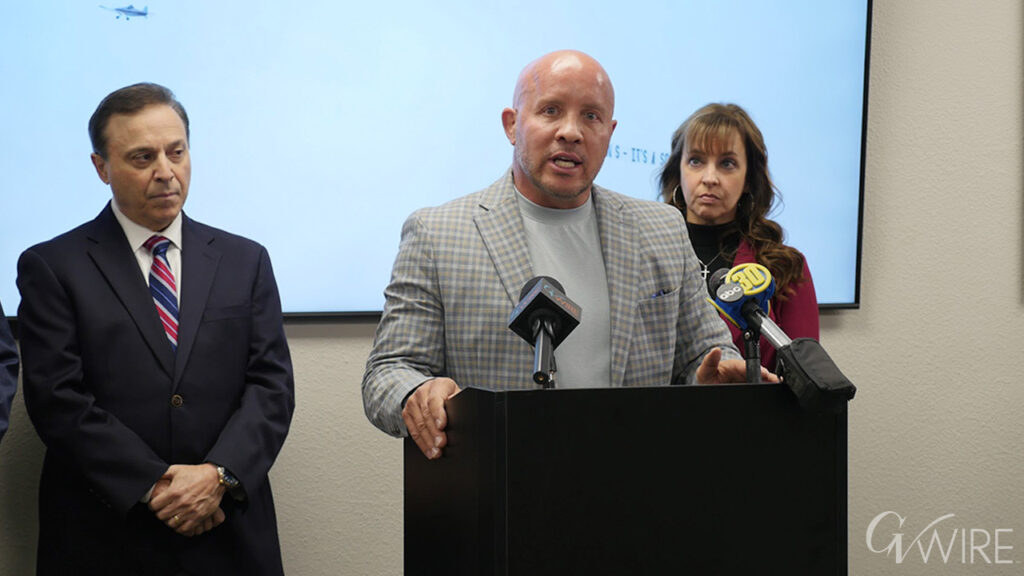
The auction took place in Thousand Oaks, California, at a fire station near the regional office of the Marine Minerals Administration, a branch of the Interior Department that was created in July. Only two bidders — Wetstone and Adepth Minerals Inc. of Norway — showed up.

Outside the fire station, protesters marched and carried signs opposing the sale.
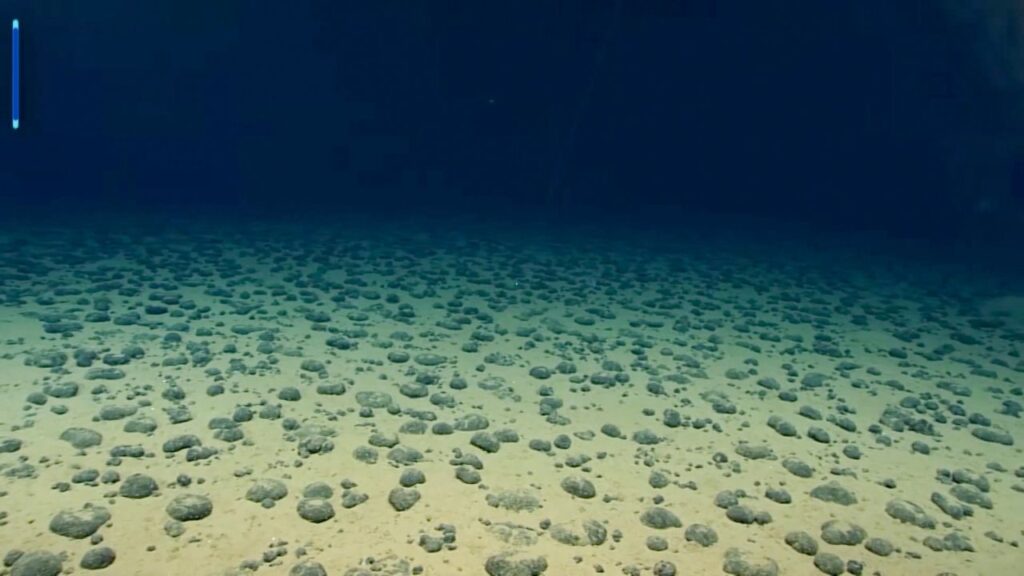
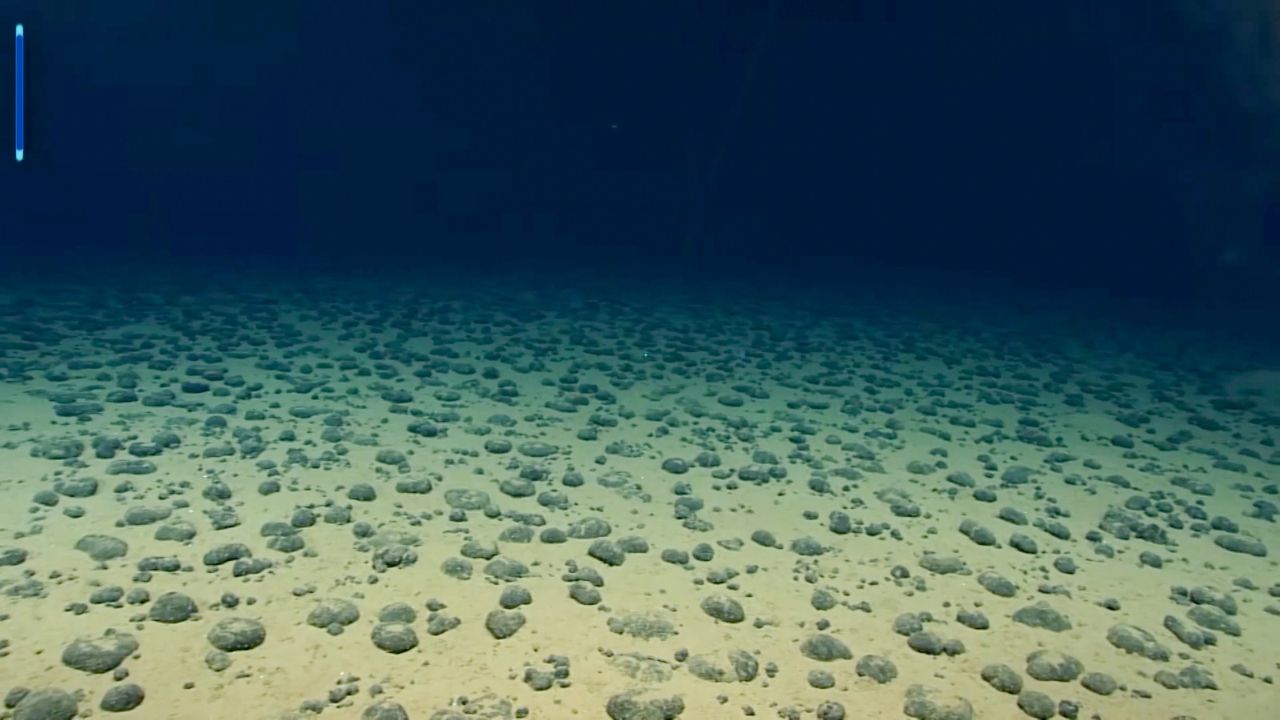
Deep-sea mining would involve scooping up nodules found on the seafloor that are rich in metals like cobalt, nickel and manganese, which are important to manufacturing electric cars, batteries and other clean-energy technologies.
But mining the deep ocean has raised global opposition, and environmentalists argue that underwater plumes of sediment stirred up by mining machinery could devastate deep sea ecosystems.
More than 45 countries have called for a ban or pause on seabed mining, which currently does not exist in any commercial form.
But deep sea mining is a priority for President Donald Trump, who last April signed an executive order that instructed the National Oceanic and Atmospheric Administration to expedite approvals for mining companies.
Wetstone might face an extended legal fight before it can start mapping and planning for those deep sea nodules.
On Monday, Judge Jill Otake of the U.S. District Court for the District of Hawaii ruled that the National Marine Fisheries Service “did not even attempt to consider” the potential harms to endangered marine species when it approved the planned sale, violating the Endangered Species Act.
The proposed mining area is adjacent to the Rose Atoll National Marine Monument, a 13,500-square-mile protected area.
Environmental groups said that the winner of the bid will face difficulty in pursuing a lease that has been ruled unlawful.
The Natural Resources Defense Council and Finafinau, a youth-group based in American Samoa, sued the Marine Minerals Administration on Wednesday in federal court in Hawaii, asking the court to strike down any leases the agency awards.
–
This article originally appeared in The New York Times.
By Eric Niiler/NOAA Ocean Exploration
c. 2026 The New York Times Company