

|
Getting your Trinity Audio player ready...
|
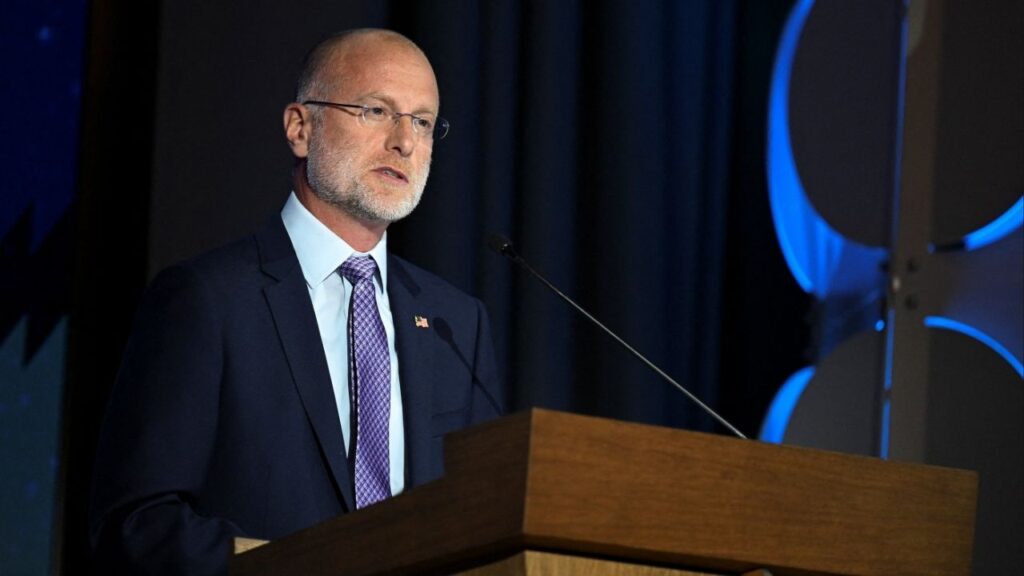
Marco Rubio gave a speech Saturday to the Munich Security Conference in which he extolled an ideal that’s supposedly long out of fashion.

“We are part of one civilization: Western civilization,” the U.S. secretary of state told his largely European audience. “We are bound to one another by the deepest bonds that nations could share, forged by centuries of shared history, Christian faith, culture, heritage, language, ancestry and the sacrifices our forefathers made together for the common civilization to which we have fallen heir.”
The speech got, and deserved, a standing ovation.
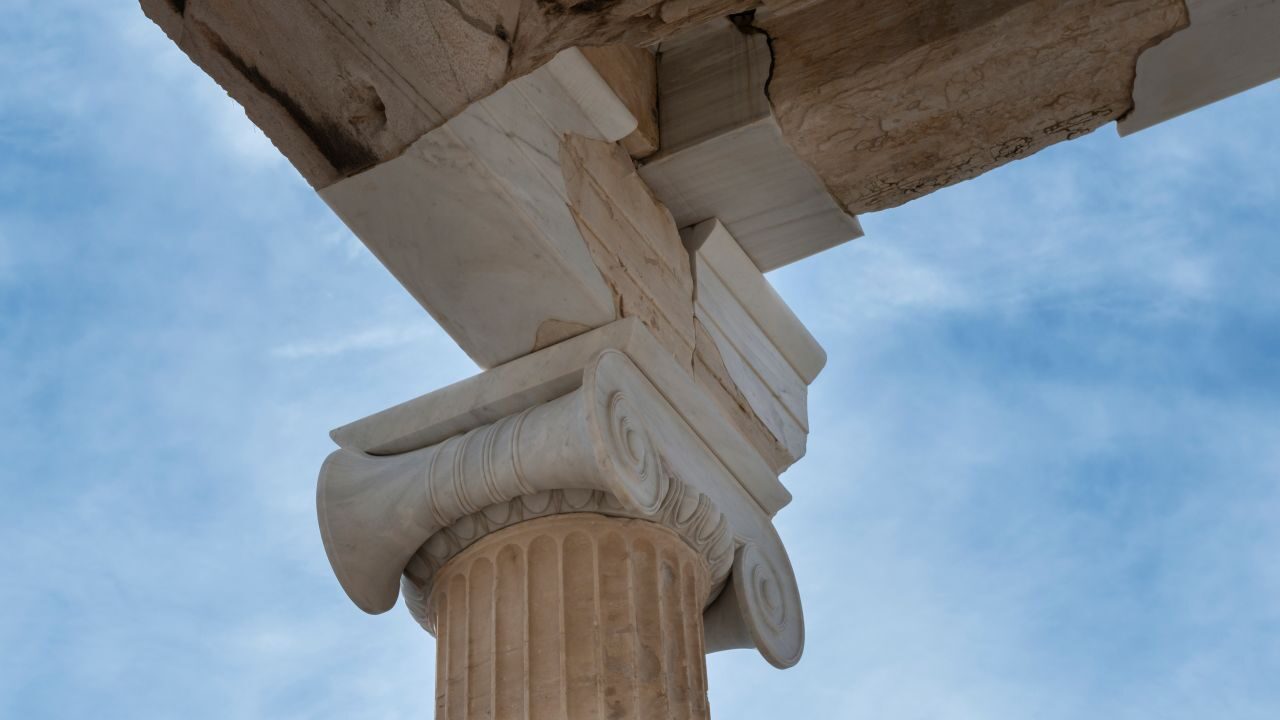
What, exactly, is Western civilization? Americans younger than 50 might be excused for hardly knowing. A 2011 report from the National Association of Scholars found that not one of America’s top colleges and universities had a required survey course in Western civ and only 32% even offered it as an elective. In 1964, 80% of these institutions had some form of introduction to Western civ.
Universities Teach Anti-Western Civilization
What many universities do offer (even more so now than when the NAS issued its report) is what amounts to an education in anti-Western civ: the examination of all the ways in which Western civilization is, purportedly, an extended act of imperialism and colonialism, human exploitation and environmental despoliation, misogyny and white supremacy, and phobias of every kind.
This pedagogy in civilizational self-loathing — some of it justified and overdue, much of it distorted by factual fudging and decontextualized historical judgments — has done three kinds of damage.
First, it helped spawn a generation of self-certain progressives, notably the pro-Hamas demonstrators on college campuses during the war in the Gaza Strip, who only dimly seem to recognize that they are the very people they are being taught to hate. Who, after all, is more of a settler-colonialist — a Protestant, white, English-speaking undergrad in Los Angeles or a Jewish, Mizrahi, Hebrew-speaking one in Jerusalem? And does a typical Hamas militant despise a fervent Christian evangelical any more than he despises an anti-Zionist trans activist?
Second, it fueled a reactionary conservatism on both sides of the Atlantic. I have in mind people like Alexander Gauland, a founder of Germany’s fascist-leaning Alternative for Germany (AfD) party, who dismissed the Holocaust as a “just bird shit in more than 1,000 years of successful German history.” I’m also thinking of JD Vance, our cynical vice president, who last year met with an AfD leader after scolding an audience in Munich for refusing to respect free speech or accept the results of an election.
Many Have No Idea What Western Civ Stands For
But the worst damage is to normal citizens in modern democracies who, unless they’ve sought it out for themselves, lack a clear idea of what the West stands for: It’s what Robert Maynard Hutchins called, in 1952, “The Great Conversation.”
It’s the conversation between Plato and Aristotle, Locke and Rousseau, Keynes and Hayek. It’s the tension between — and uneasy synthesis of — revelation and reason, theory and observation, the ancient and the modern, the familiar and the foreign. It’s the tradition that seeks a deeper understanding of the world through a continuous upending of its own methods, beliefs and aspirations. It’s a civilization that, at its best, values questions more than answers and the freedom to question more than life itself.
Like virtually every other civilization, the West is guilty of centuries of terrible cruelty. Unlike other civilizations — most of which are also guilty of equal cruelty — the West is responsible for an outsize share of the blessings of modern society: lifesaving science, life-easing technology, civil and human rights, democracy and tolerance for nonconformity, an impressive capacity for historical remorse. Though it’s now impolite to say this, that simply isn’t true of the world’s other civilizations. Where in China is the state monument to the millions murdered by Mao in the Great Famine?
This is not an argument that Westerners, as people, are in any way better than other people. We aren’t. Much less is it an argument that we should sugarcoat our past, as the Trump administration seeks to do. We mustn’t.
Western Civ Offers a Superior Way of Life
But it’s an argument that the West, as that 3,000-year conversation that Hutchins described and in which anyone can participate by honoring its inherently open-ended nature, offers a superior way of life — superior especially to civilizations that treat disagreement as heresy and respond to mass demonstrations with mass murder. To confront them, whether they’re centered in Moscow or Tehran or Beijing, it’s necessary to have two things: pride in who we are and a serious understanding of what we’re all about.
Today we lack both. The woke left that condemns Western civilization as an instrument of white supremacy is as clueless as the alt-right that extols Western civilization as an instrument of white supremacy.
That’s why, I think, Rubio’s speech got such an enthusiastic reception, even if the messenger hails from an obnoxious administration. It wasn’t simply its diplomatic tone and emollient spirit.
It was the recognition that the politics that increasingly divide Europe and the United States are secondary to the values of the civilization that still broadly unite us — and distinguish us from our enemies. The West is not some make-believe concept devised to oppress others. It is the only civilization worth defending not just for the sake of those already in it but for everyone. The least we can do is to explain to our children what it’s all about.
Isn’t that what college used to be for?
This article originally appeared in The New York Times.
By Bret Stephens/
By c.2026 The New York Times Company