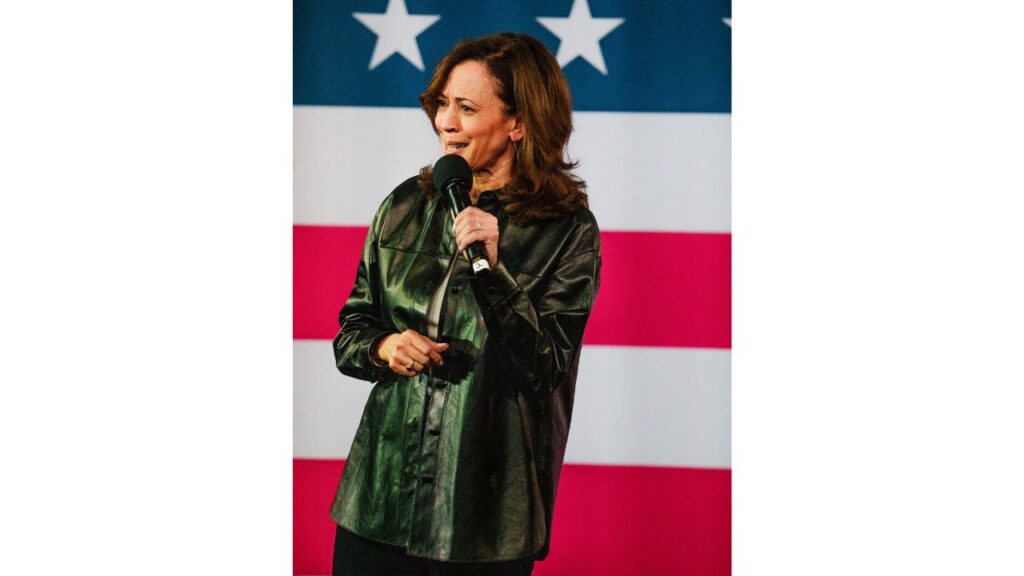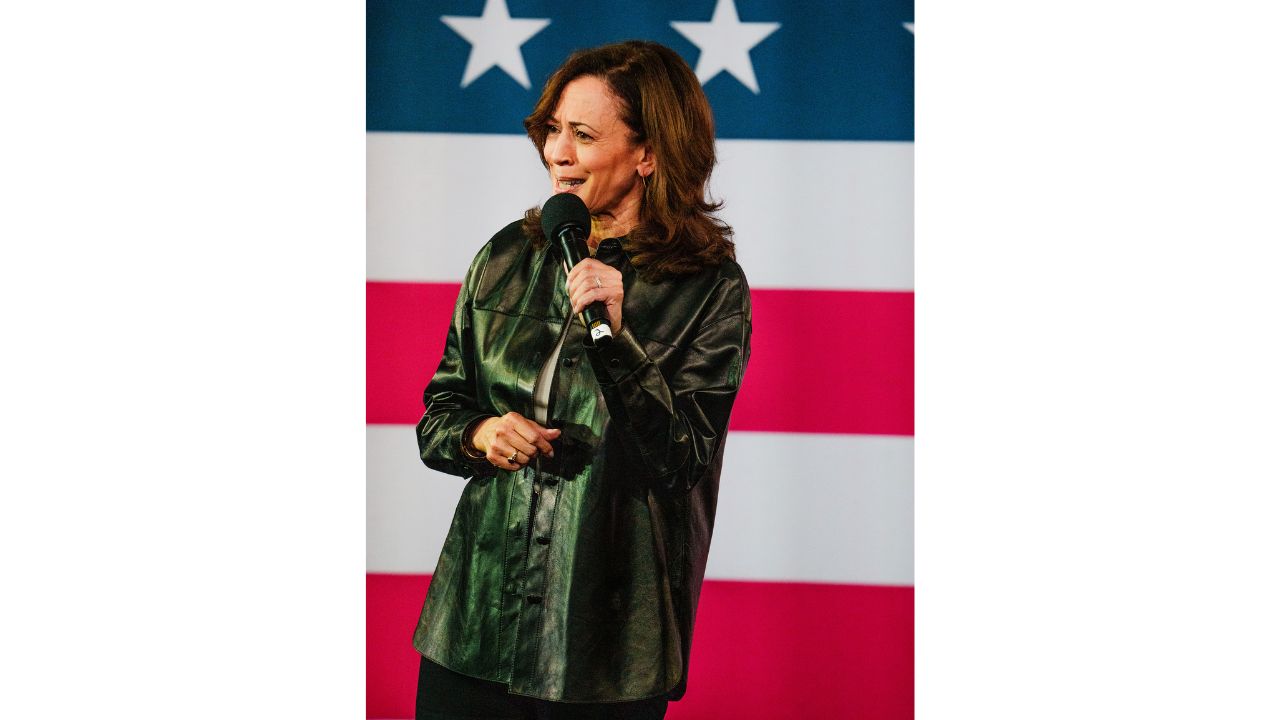
Former Vice President Kamala Harris speaks at a rally in support of California’s ballot measure to redraw the state’s congressional maps, in Los Angeles, Nov. 1, 2025. The Democratic National Committee, which began 2026 in debt and nearly $100 million behind its Republican counterpart, made a 6.5$ million bet in the final weeks of 2025 buy Harris’s old email list of supporters. (Gabriela Bhaskar/ The New York Times)


- The Democratic National Committee spent $6.5 million to acquire former Vice President Kamala Harris’ supporter email list, even as the party trails Republicans in fundraising.
- Much of the money quickly helped Harris’ new political group pay off lingering 2024 campaign expenses, raising questions among some Democrats about financial priorities.
- Party leaders defend the purchase as a long-term investment in small-dollar fundraising ahead of the 2026 midterm elections.
Share
|
Getting your Trinity Audio player ready...
|
The Democratic National Committee, which began 2026 in debt and nearly $100 million behind its Republican counterpart, made a $6.5 million bet in the final weeks of 2025 to buy former Vice President Kamala Harris’ old email list of supporters.
That money almost immediately went to help Harris pay off expenses left over from her 2024 campaign.
Harris’ new political group, Fight for the People PAC, spent nearly $7 million in the final month of 2025, new federal filings show, overwhelmingly on presidential campaign expenses that had not previously been disclosed as debts. Those payments included $4 million to a media production company, nearly $200,000 to a polling firm and $99,100 to the company that manages events for The Roots, a hip-hop band that performed at Harris’ final rally in Philadelphia, the filings show.
Officials with the DNC have said the purchase of the vaunted Harris supporter list — which helped the 2024 nominee raise $1.5 billion in 15 weeks — is a valuable investment that would eventually more than pay for itself, helping the strapped party tap into her wide network of small contributors. But the transaction raised questions about the party’s decision to spend money that ultimately went to pay off debts from 2024 at a moment when it is fighting to win back the House and faces an uphill battle to try to reclaim the Senate.
“For me, this really brings questions about the campaign’s finances, how transparent everything has been regarding the 2024 campaign, what has been spent and what are the lessons we need to learn coming from that experience,” said Tim Lim, a DNC member who is set to host a fundraiser for the party in May.
Kirsten Allen, a senior adviser to Harris, downplayed the significance of the outlays. “It is standard after a presidential campaign for there to be an extended reconciliation period as outstanding invoices are received, processed and refunds are issued,” she said.
The party chair, Ken Martin, has said he is prioritizing early investments that will eventually pay dividends, such as in voter registration, sending more money to state parties and expanding the party’s email list.
Rosemary Boeglin, communications director for the DNC, said Democrats had overperformed or won in 90% of races since President Donald Trump’s inauguration and that the DNC had “played a part in nearly all of those victories.”
“While Republicans hoard their cash from billionaire megadonors, they’re losing,” she said. “We’ll keep investing and we’ll keep winning, and that includes this year’s midterms.”
Right after the 2024 campaign, Harris’ team said that there would not be debts reported on her filings after the election.
It was technically true that no debts were disclosed on the next report. But federal records show the DNC covered about $22 million in Harris’ bills after the election, eventually roughly reaching the legal limit for what campaign costs the party can assume.
The New York Times has previously reported that Harris and the DNC had reached a handshake agreement, where the party paid for 2024 campaign bills and she raised money to offset those costs. Small online donors who were solicited, however, were not told that was the final destination of their dollars.
“Since the campaign ended, the vice president has helped raise millions of dollars for the DNC and candidates nationwide, and heading into the midterms she will expand that effort supporting candidates up and down the ballot,” Allen said.
—
This article originally appeared in The New York Times.
By Shane Goldmacher/
c.2026 The New York Times Company
RELATED TOPICS:
Categories