
|
Getting your Trinity Audio player ready...
|
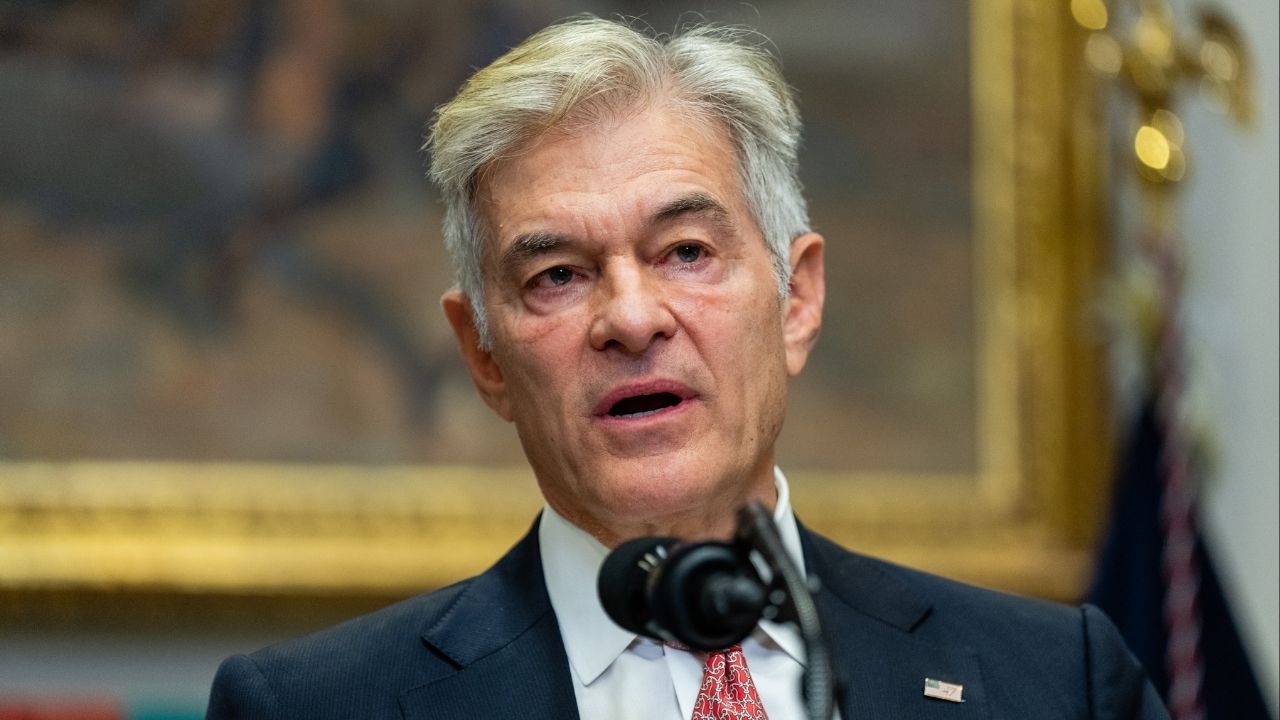
Dr. Mehmet Oz on Sunday urged Americans to get vaccinated against measles, one of the strongest endorsements of the vaccine yet from a top health official in the Trump administration.
Speaking on CNN, Oz, the Centers for Medicare and Medicaid Services director, said that there was a simple solution to the raging measles outbreak in South Carolina, which has infected more than 900 people and become the largest U.S. outbreak in recent history.
“Take the vaccine, please,” Oz said. He also pledged that there “will never be a barrier to Americans getting access to the measles vaccine.”

Oz’s comments were far more unambiguous than those made in the past by his boss, Health Secretary Robert F. Kennedy Jr., who has carefully crafted his public statements about the measles shot. Kennedy has often paired his calls for vaccination with reminders that the decision is a personal choice or with safety concerns about the shots. The measles, mumps and rubella vaccine is considered very safe and about 97% effective in preventing infection.
Measles Cases on the Rise
Oz’s statements came as the country struggles to contain the highly contagious virus, which infected thousands of people in 2025 and appears to be following a similar trajectory this year. The United States is now at risk of losing its elimination status, a designation given to countries that have not had continuous spread of measles for more than a year. Measles has been eliminated in the United States since 2000.
Michael Osterholm, an infectious disease expert at the University of Minnesota, likened Oz’s comments to taking a garden hose to a forest fire.
“When you cast those kinds of doubts about vaccine safety and effectiveness, one interview on one news show is not going to move the needle,” he said.
Osterholm argued that Kennedy began sowing distrust in the vaccine soon after he was confirmed last February. As measles spread through west Texas, he appeared on national television, encouraging vaccination and then, almost in the same breath, raising questions about its safety.
“We don’t know the risks of many of these products because they’re not safety-tested,” Kennedy said last April.
As the outbreak swelled and crossed state borders, he spoke of “miraculous” alternative remedies and promised to explore potential new treatments for the disease, a move public health experts said signaled to Americans that vaccines weren’t necessary.
Kennedy and other top health officials have taken other actions that experts believe could negatively affect MMR vaccination rates, which have been declining for years. In November, Kennedy instructed the Centers for Disease Control and Prevention to abandon its position that vaccines do not cause autism, despite the fact that large-scale studies have found no link between the shot and autism. And one of his appointees, who leads the federal panel that recommends vaccines for Americans, said last month that shots against measles should be optional.
Andrew Nixon, a spokesperson for the Department of Health and Human Services, said the department’s leadership had consistently emphasized that the vaccine was the best way to prevent the spread of measles. During the interview with CNN anchor Dana Bash, Oz also defended Kennedy’s track record.
“We’ve advocated for measles vaccines all along,” he said. “Secretary Kennedy’s been at the very front of this.”
“Oh, come on,” Bash responded.
—
This article originally appeared in The New York Times.
By Teddy Rosenbluth/Eric Lee
c. 2026 The New York Times Company