


|
Getting your Trinity Audio player ready...
|
BEIRUT — The U.S. special envoy to Syria said Tuesday that Washington no longer needed to rely on Kurdish-led forces as its primary partner to fight the Islamic State terrorist group in Syria because the government was ready to take over security duties.
The comments by the envoy, Tom Barrack, appeared to be a significant shift in U.S. policy toward the Syrian Democratic Forces, or SDF — Washington’s primary ally in Syria over the past decade.
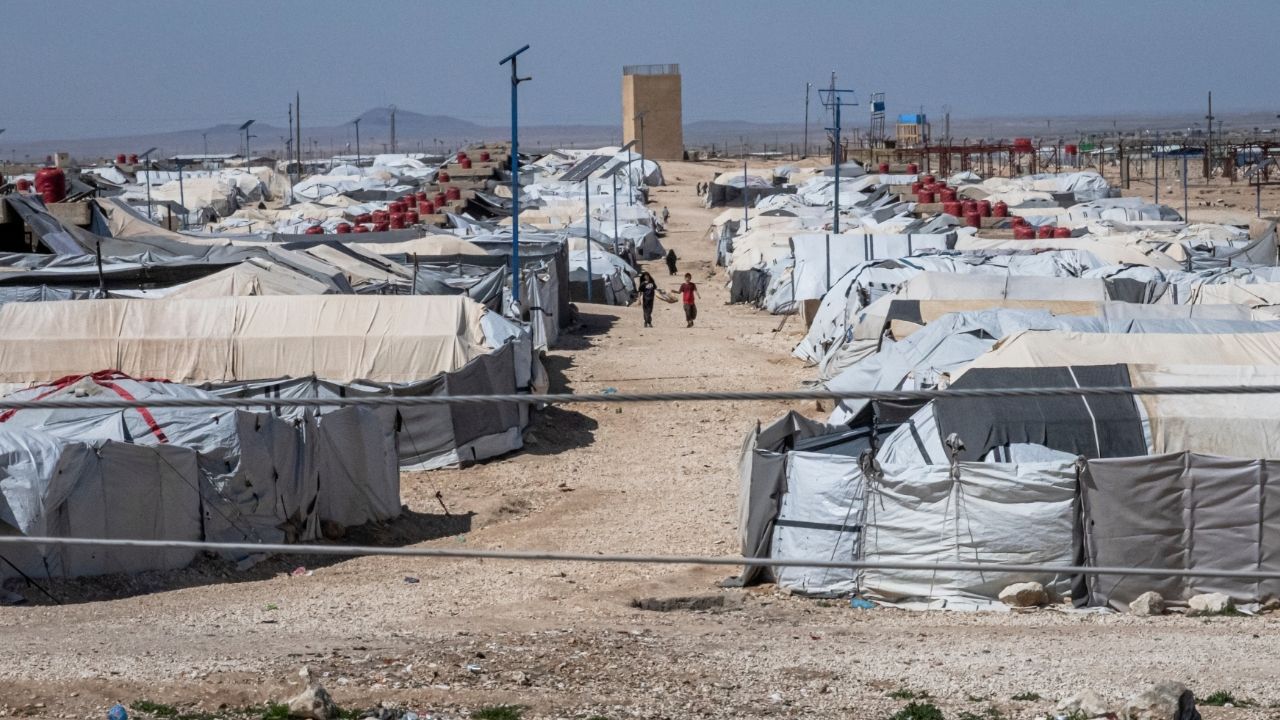
“Today, the situation has fundamentally changed,” Barrack said in a post on the social platform X. “The original purpose of the SDF as the primary anti-ISIS force on the ground has largely expired, as Damascus is now both willing and positioned to take over security responsibilities, including control of ISIS detention facilities and camps,” he added, using an alternative name for the Islamic State.

The SDF suffered a series of stunning setbacks over the past two weeks in battles with government forces over control of northeastern Syria. Severely weakened after the loss of territory and strategic assets such as oil fields and dams, it agreed Sunday to merge its forces into Syria’s military and to relinquish territory and infrastructure it had governed for years.
Barrack has been leading U.S. efforts to calm days of violence in northeastern Syria.
The agreement Sunday was intended to end weeks of deadly clashes between the two sides. It would have had the SDF merge into the national military and hand over control of security infrastructure, including prisons holding Islamic State detainees.
But clashes and violence in recent days have made the agreement look increasingly tenuous.
—
This article originally appeared in The New York Times.
By Euan Ward and Alissa J. Rubin/Daniel Berehulak
c. 2026 The New York Times Company