
|
Getting your Trinity Audio player ready...
|
The Senate on Thursday agreed to debate a war powers resolution aimed at curbing President Donald Trump’s use of military force in Venezuela, with five Republicans joining Democrats in a rare bipartisan rebuke of the White House.
The 52-47 vote set the stage for a debate, expected next week, on a measure that would force Trump to seek congressional authorization for continued U.S. military operations in Venezuela.
The move Thursday was largely symbolic, since it is unlikely the House would approve the measure even if the Senate enacted it, and Trump could always veto the resolution should it end up on his desk.

Still, the vote to send it to the floor for debate was a rare assertion of congressional authority over the president’s war powers. It also reflected worries in Trump’s own party about his bellicose and seemingly open-ended action in Venezuela, undertaken without consultation or authorization by Congress.
For his part, Trump immediately attacked the five Republican senators who voted with Democrats to advance the measure, asserting on social media that they were undermining national security. “Susan Collins, Lisa Murkowski, Rand Paul, Josh Hawley, and Todd Young should never be elected to office again,” he said in a lengthy post. Collins, of Maine, is the only one up for election this year, and she is expected to face a competitive race.
Trump has argued, as many administrations of both parties before him have, that the War Powers Act itself is unconstitutional and violates Article II of the Constitution because it limits the president’s authority as commander in chief. Supporters of the act point out that only Congress has the power to declare war.
Paul of Kentucky said one factor that may have tipped the vote was the president’s comment to The New York Times that United States might remain involved in Venezuela for years. The vote, he said, sent “a clear signal” that only Congress could order the country to go to war.
Here’s What Else to Know:
— Colombia tensions: President Gustavo Petro of Colombia said Thursday that he had reached a diplomatic breakthrough with the United States, a day after his first phone conversation with Trump appeared to ease tensions after the U.S. raid in Venezuela. On Wednesday, shortly after the call, Trump said on social media that Petro had “called to explain the situation of drugs and other disagreements that we have had,” and that he looked forward to meeting Petro at the White House.
— Prisoner release: Jorge Rodríguez, the head of Venezuela’s National Assembly, said Thursday morning that authorities would be releasing “an important number” of political prisoners, both Venezuelans and foreign citizens. He did not specify how many. In the afternoon, five people were released. Among them was Rocío San Miguel, one of Venezuela’s most prominent political prisoners. Two more were released later in the evening.
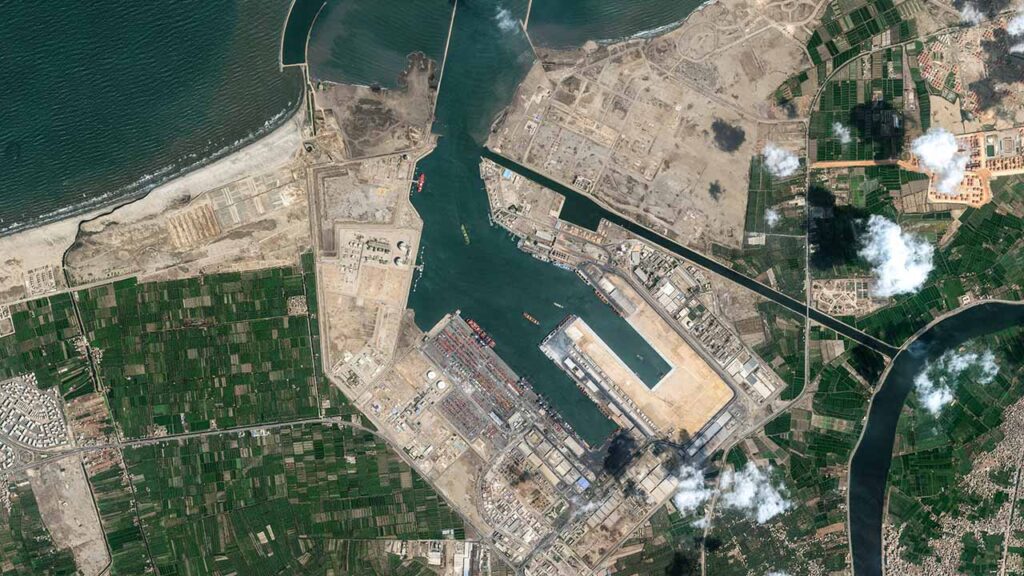
— Tankers run blockade: At least nine oil tankers upon which the United States has imposed sanctions have evaded its naval blockade in recent days, satellite imagery that was confirmed by The New York Times shows. Four tankers were sailing hundreds of miles into the Atlantic Ocean, and several others were headed northeast through the Caribbean. At least one tanker has changed its flag to Russia.
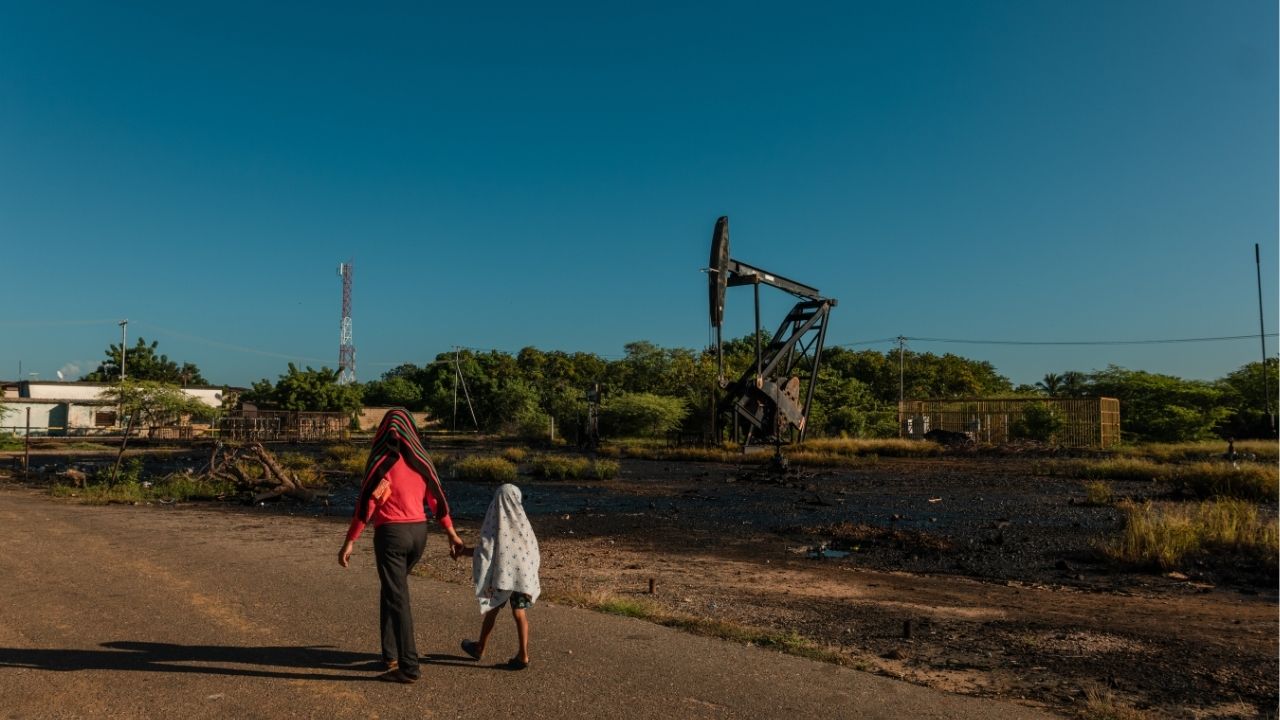
— Life in Venezuela: A majority of people in Venezuela struggled to afford food, and just a fraction had stable work last year, according to a new Gallup poll released Thursday, which painted a dire picture of daily life in the South American nation in the months before Maduro was ousted.
—
This article originally appeared in The New York Times.
By Zolan Kanno-Youngs, Emiliano Rodríguez Mega and Robert Jimison
c. 2026 The New York Times Company