


|
Getting your Trinity Audio player ready...
|
ATLANTA — Accusations that presenters were cherry-picking data and substituting speculation for science derailed a federal vaccine advisory panel vote Thursday morning on whether to change a decades-long recommendation that all newborns be immunized at birth against hepatitis B.
The committee deferred the vote to Friday because some members wanted more time to settle points of heated disagreement. The panel had postponed the vote twice before, for similar reasons.
One outside expert called Thursday’s session “political theater.”

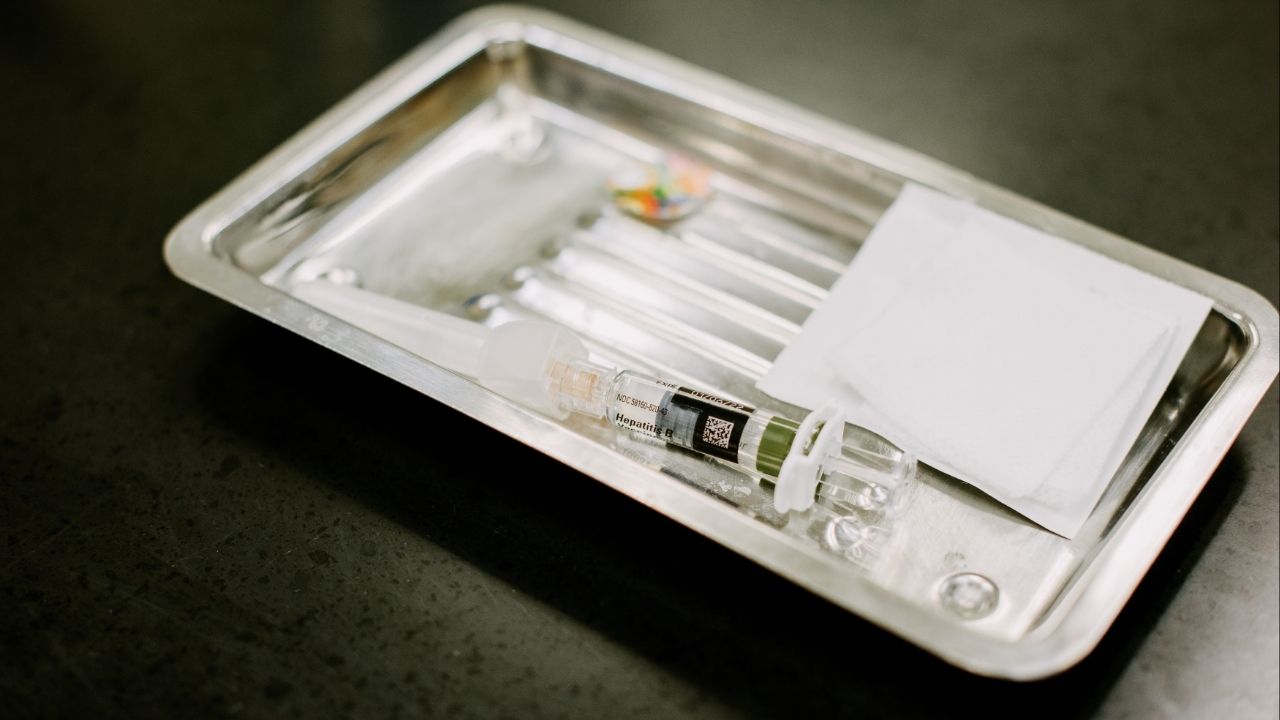
The committee, whose members were handpicked by Health Secretary Robert F. Kennedy Jr., is charged with shaping the nation’s vaccine policy. They were tasked with making a decision based on the hepatitis B vaccine’s effectiveness, its contribution to reducing infections and its safety. The shot is given within 24 hours after birth to prevent infection with hepatitis B, a highly contagious virus that can cause severe liver damage.
But the format of the meeting broke with tradition in multiple ways. The agenda did not list speakers until the morning of the meeting, it did not reveal the names of the work group for hepatitis B until pressured to do so during the meeting, and it did not provide the public with access to the material accompanying the presentations (the files were emailed to the media).
Instead of a Centers for Disease Control and Prevention expert, who would in the past have given the scientific presentation, Cynthia Nevison, a climate researcher at the University of Colorado, presented data on trends in disease prevalence. Nevison is a former board member of SafeMinds, an organization that supports the false theory that vaccines cause autism.
And Mark Blaxill, a well known anti-vaccine activist and self-described “critic of the CDC” who is now a staff member at the agency, presented data on safety of the hepatitis B vaccine, pulling from studies that included papers published by David Geier, a discredited researcher and outspoken vaccine critic.
The agenda for Friday, when the committee is scheduled to discuss the childhood vaccine schedule, includes Aaron Siri, a lawyer who for years joined with Kennedy in court battles over vaccines.
“Aaron Siri is a trial attorney who makes his living suing vaccine manufacturers,” Sen. Bill Cassidy, R-La., a gastroenterologist, said in a social media post. “He is presenting as if an expert on childhood vaccines,” Cassidy said.
“The ACIP is totally discredited,” he added. “They are not protecting children.”
The committee’s decisions are not legally binding, but they have significant implications for whether private insurance and government assistance programs are required to cover the vaccines.
The presentations drew sharp criticisms from doctors and scientists, including some panelists and outside experts.
Dr. Jason Goldman, a liaison to the committee from the American College of Physicians, rebuked the lack of transparency and the choice of presenters.
“This meeting is completely inappropriate for an administration that wants to avoid fraud, waste and abuse,” Goldman said. The committee, he added, was “promoting this anti-vaccine agenda without the data and evidence necessary to make those informed decisions.”
Remarks before the meeting by committee members, President Donald Trump and Kennedy suggested that the committee was likely to vote in favor of delaying the vaccine for babies born to mothers who tested negative for hepatitis B. The morning session did not appear to alter that probability.
The proposed language the members will be voting on has changed three times, making it a “moving target,” said Dr. Joseph Hibbeln, a panelist and neuroscientist formerly at the National Institutes of Health. “We really need to know what we’re voting on,” he added.
The committee at first moved to take an unscheduled break to resolve the confusion. But after further discussion, several panelists pushed to defer the vote to the following day.
The conversation grew most heated when some panelists questioned the suggestion of evidence of harm from the vaccine.
Hibbeln asked for “any solid and reproducible evidence of harm” from the vaccine.
When Blaxill said there was limited evidence of harm, Hibbeln snapped back: “So speculation and limited evidence? Got it.”
Many public health experts are concerned about Thursday’s vote because children are especially vulnerable to hepatitis B. More than 90% of infants infected with the virus develop chronic hepatitis B — which can lead to cirrhosis, liver failure and liver cancer — compared with less than 5% of people who are infected as adults.
Each year in the United States, more than 17,000 infants are born to women who have hepatitis B. But nearly 1 in 5 pregnant women are not tested for the virus, and only about 1 in 3 women who test positive receive care, according to a report released Tuesday by the Vaccine Integrity Project, an initiative dedicated to safeguarding vaccine use in the U.S.
Congenital syphilis, another infectious disease for which pregnant women are screened, offers a comparison. Denmark had no cases of congenital syphilis in 2023; the United States had nearly 4,000 cases.
In her presentation, Nevison gave her conclusions before the data, saying that it was not the birth dose of vaccine that had reduced cases of the virus, but “the more targeted measures that have had the biggest effect in bringing down cases of hepatitis B.”
She attributed the decline in cases to better screening of blood products, safe sex practices and needle exchange programs. “The universal birth dose contribution to the acute case decline is likely very small,” she added.
But hepatitis B experts and pediatricians, including some of the committee’s own members, questioned the source of the data and strongly disagreed with her interpretations.
“This disease has gone down in the United States thanks to the effectiveness of our current immunization program,” said Dr. Cody Meissner, a professor of pediatrics at Dartmouth Geisel School of Medicine who is widely considered to be the most qualified member of the committee.
When Dr. Robert Malone, the committee’s vice chair who led the discussions, said Meissner was “opining,” Meissner retorted, “These are facts, Robert.”
Delaying the first dose could endanger children who may share a home or other space with someone who unknowingly has hepatitis B, hepatitis B experts said.
—
This article originally appeared in The New York Times.
By Apoorva Mandavilli/Kristian Thacker
c. 2025 The New York Times Company