


|
Getting your Trinity Audio player ready...
|
CVS Health plans to split in two, in a major unraveling of the country’s largest healthcare conglomerate after years of rampant expansion, the company announced Wednesday.
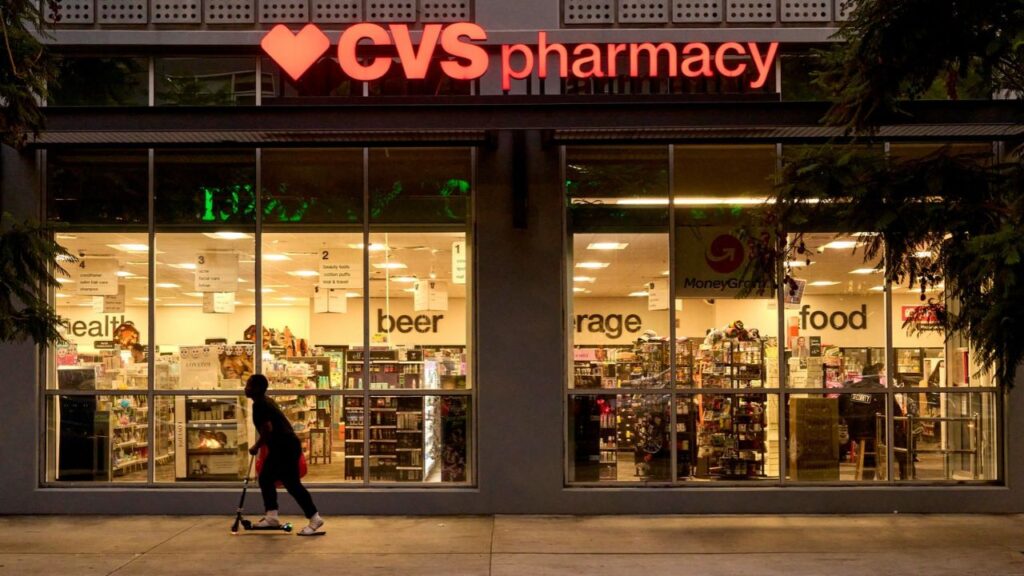
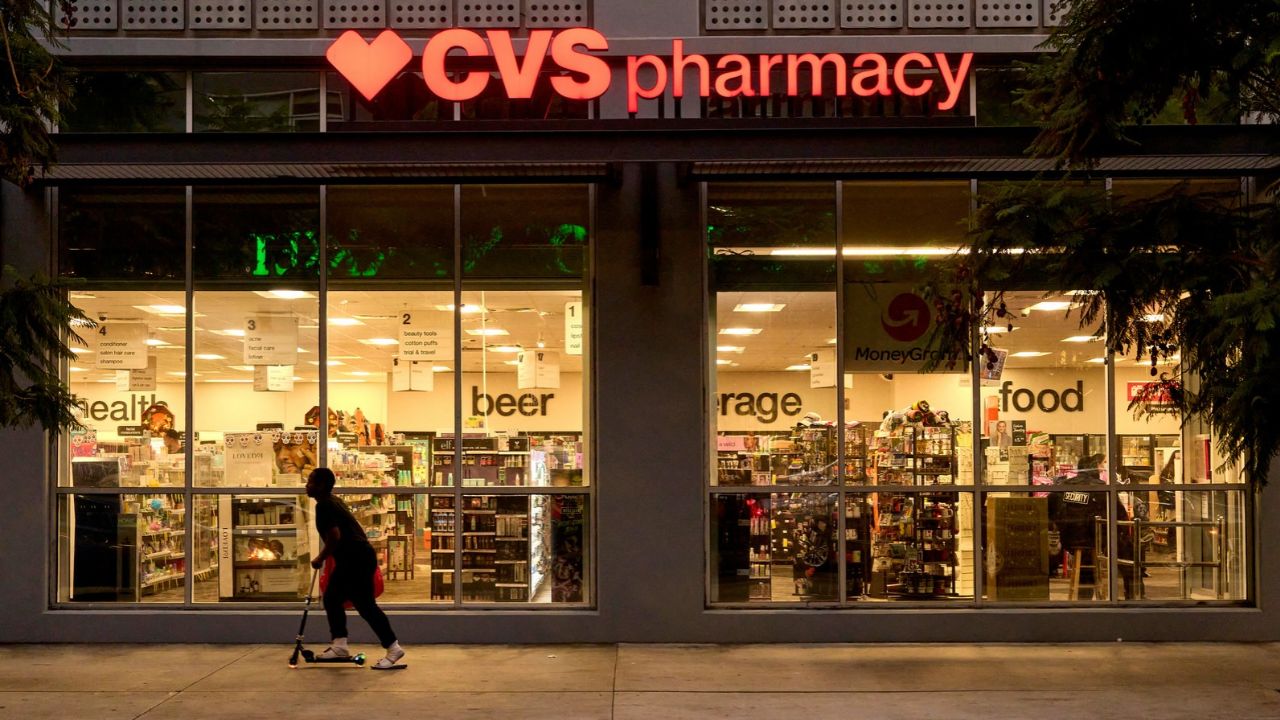
Under the breakup, planned for the first half of 2028, a new spinoff company, to be called CVS Pharmacy, will house the conglomerate’s approximately 9,000 retail pharmacies, in-store clinics and a warehouse-based operation that sends prescriptions through the mail.
A second company will retain the name CVS Health and house the major insurer Aetna and the giant pharmacy benefit manager Caremark, along with other businesses that provide home visits and primary care to older people.

CVS Health has been under mounting scrutiny from lawmakers, regulators and others who say the company — along with its peers, UnitedHealth Group and Cigna — has grown too dominant. Critics say the conglomerates have exploited conflicts to profit from their web of businesses, driving up medical costs and stifling competition.
Within the past two years, Arkansas and Tennessee have each passed laws that aim to prevent the conglomerates from managing prescription benefits and running retail and mail-order pharmacies. In Washington and other states, lawmakers from both parties have proposed similar legislation, which the conglomerates have fiercely opposed.
CVS Health generated over $400 billion in revenue last year. That ranked seventh among U.S. public companies, according to FactSet, a financial data provider.
The Financial Times on Tuesday reported the company’s plans to split itself up.
The planned breakup would end a nearly decade-long chapter in which CVS Health reached into nearly every corner of the healthcare system. That era began in 2018, when CVS and Aetna merged. That same year, Cigna bought Express Scripts, the pharmacy benefit manager.
Since then, CVS, UnitedHealth and Cigna have increasingly touched more pieces of the machinery by which Americans receive healthcare. Each company now encompasses a major insurer, a giant pharmacy benefit manager and a mail-order pharmacy, along with a vast array of other businesses. Critics complain that the conglomerates use their size and leverage to steer patients toward their own pharmacies.
But for CVS, merging its businesses have not met Wall Street’s demands for growth. At the end of 2024, the company’s market value fell to its lowest level in over a decade, though it has since rebounded.
Many investors see CVS’ pharmacy benefit manager as the shining jewel of the portfolio. But prospects have dimmed for the pharmacy business, amid changing consumer habits and industrywide challenges that have shuttered other major pharmacy chains like Rite Aid.
—
This article originally appeared in The New York Times.
By Rebecca Robbins/Philip Cheung
c. 2026 The New York Times Company