
|
Getting your Trinity Audio player ready...
|
There’s a saying in the energy industry that explains how the cost of gasoline behaves: It goes up like a rocket, but down like a feather.
In other words, even as oil prices nose-dive in response to news of a fragile ceasefire Tuesday between the United States and Iran, analysts expect it will take a while for the price at the pump to follow.
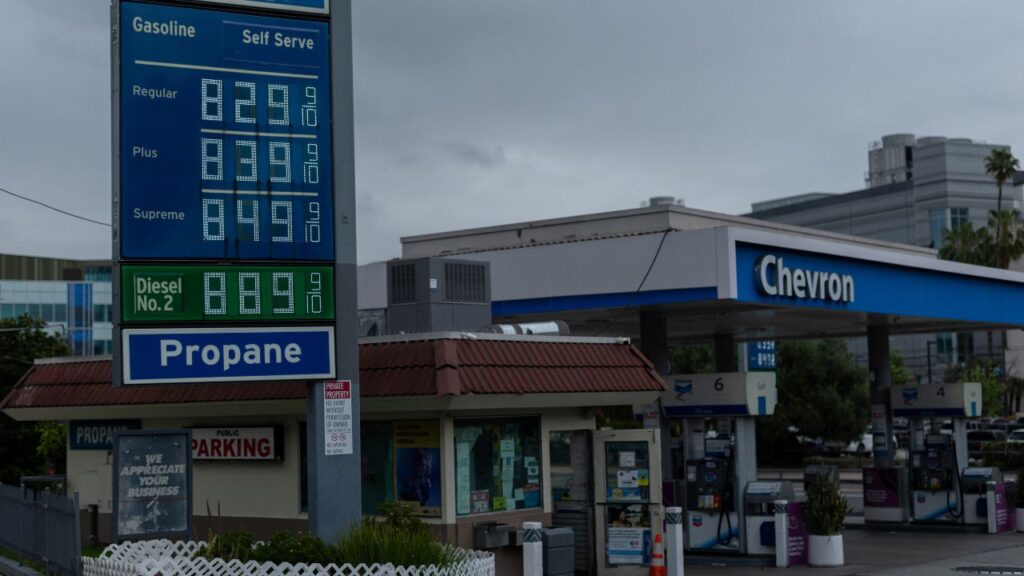
Gasoline prices have been one of the most obvious ways in which the war has affected Americans. The average cost of regular gasoline in the United States on Wednesday was $4.16 a gallon, according to the AAA motor club. That was the highest since August 2022 and up almost 40% since the war began.

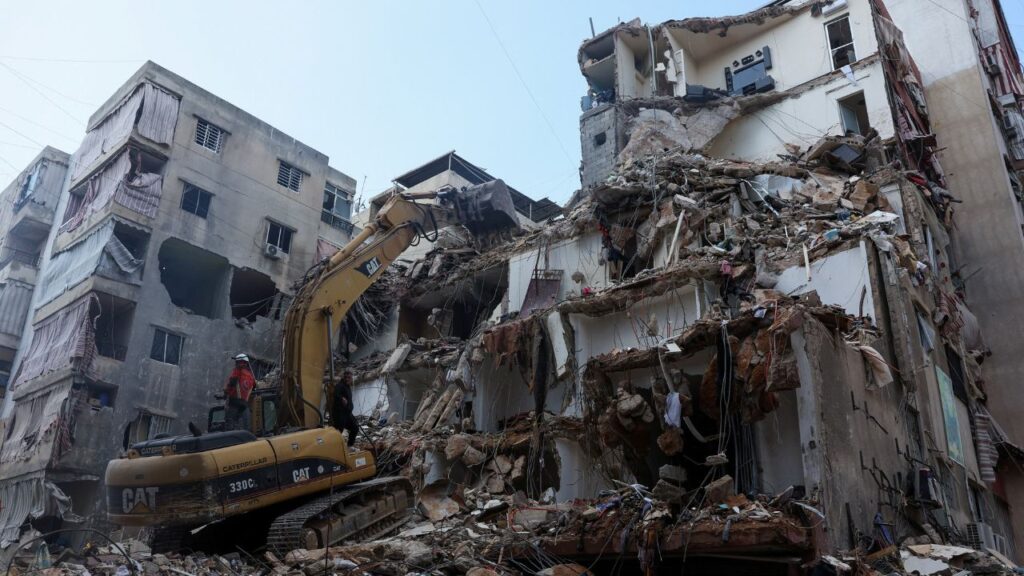
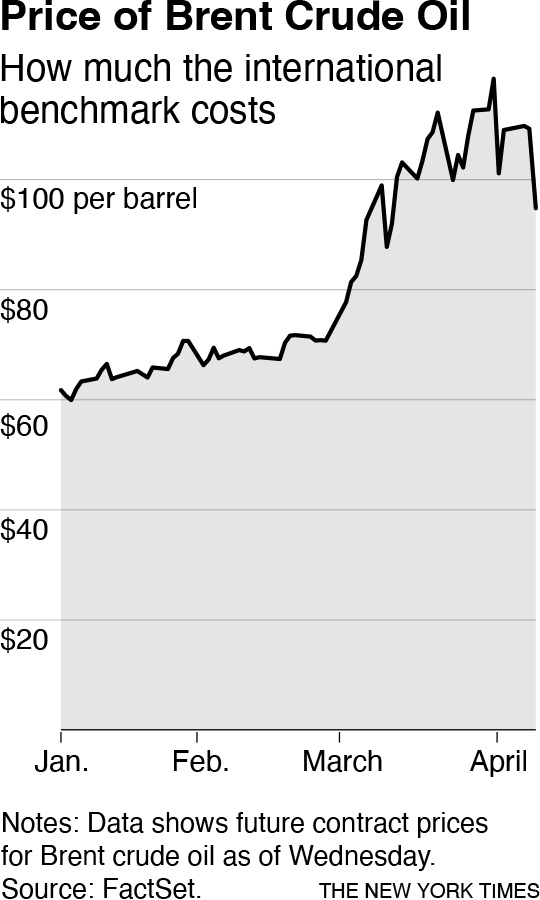
Those gains have come as oil surged, after the energy-producers of the Persian Gulf came under attack and Iran blockaded oil and gas exports through the Strait of Hormuz. News of a temporary ceasefire set off as much as a 20% slide in domestic crude futures, with the cost of a barrel at one point falling to around $92.
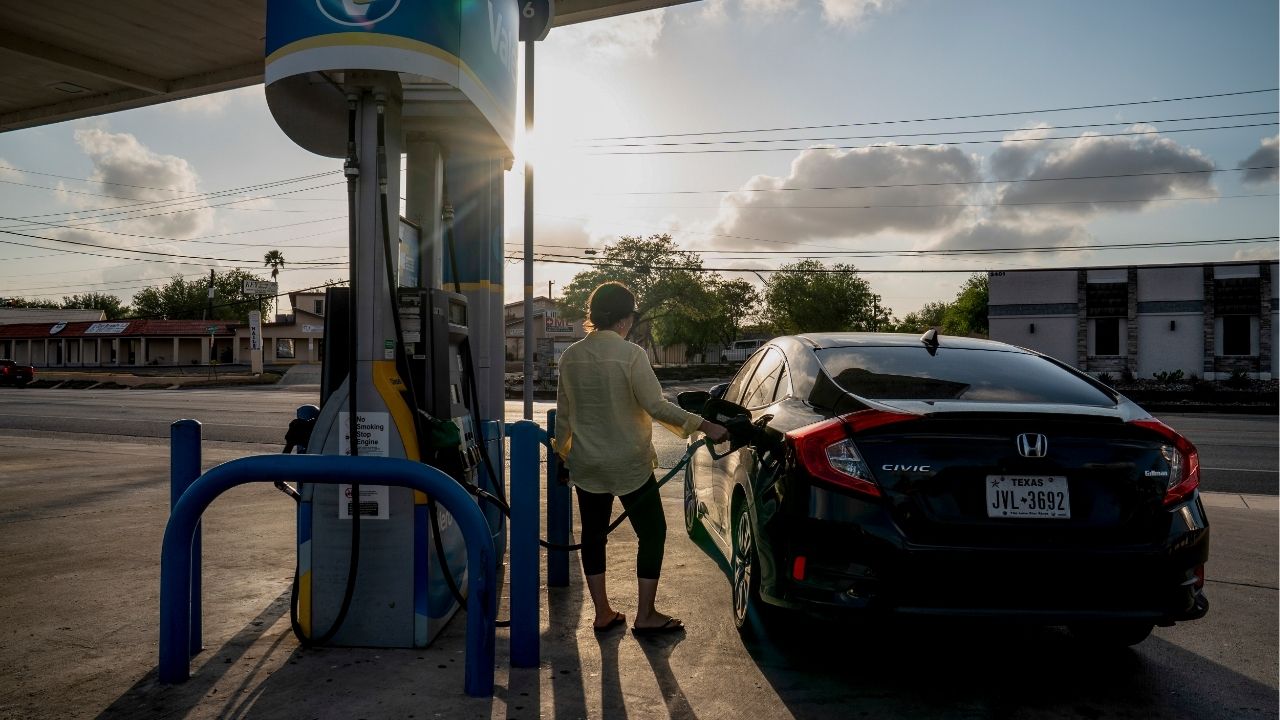
Gasoline costs tend to track the price of oil, but they are not always in lock step. Crude needs to be transported to a refinery, and then gasoline moves to a distribution center. From there, the commodity is taken to gas stations around the country.
“As a rule of thumb, three to five days is a good assumption for the lag between an oil price increase and higher prices at the pump,” said Pavel Molchanov, an analyst at Raymond James. But “on the way down, 10 to 14 days” could pass, he said, before gasoline prices reflect the steep decline in crude costs.
Energy companies have profit incentives to keep prices higher for as long as they can, but the lag is also explained because of how long it takes for oil to travel, be refined and be distributed. The gasoline being sold today was refined from costly crude.
Gas stations also have to go through the more expensive stocks they have on hand, and the prices they set each day have more to do with what they expect they will have to pay down the line.
Station owners “paid much more for that gas, so you’re trying to recover the costs that you paid,” said Wayne Winegarden, an economist at Pacific Research Institute, a think tank. “Your margin costs have gone down and that will be reflected in pricing, but first you’ve got to get through your high-cost inventory.”
The ceasefire remains highly uncertain, shipping traffic exiting the gulf is far from normal levels, and it could still take months for damaged oil production facilities in the region to come back online. But once things return to normal, gasoline prices could eventually drop drastically. Wednesday’s move in oil, Molchanov and other analysts said, could alone lower the cost at the pump by 45 cents a gallon.
That would still be well above the price before the war began at the end of February, when the average cost for a gallon was $2.98. Even with the steep drop in prices, oil, too, is still much higher than it was before the war. Prewar, Brent crude cost about $72, and U.S. crude sat at around $67.
“If the strait reopens, I think it will come back down to regular prices,” said Vidya Mani, a visiting associate professor at Cornell University’s business school whose research focuses on supply chains.
But there could be a premium, she added, “mainly because of the uncertainty around when it might close again.”
There are other factors that can delay a drop in gasoline costs, too. Americans tend to drive more during the spring and summer, and supply and demand are factored into prices. Part of the lag is also due to business economics.
“Businesses want more profit, and in general they will pass higher costs on to customers quickly,” and then pass lower costs to customers less quickly, Molchanov said. “Not only in petroleum — this applies to other commodities.”
—
This article originally appeared in The New York Times.
By Emmett Lindner/Gabriel V. Cárdenas
c. 2026 The New York Times Company