
|
Getting your Trinity Audio player ready...
|
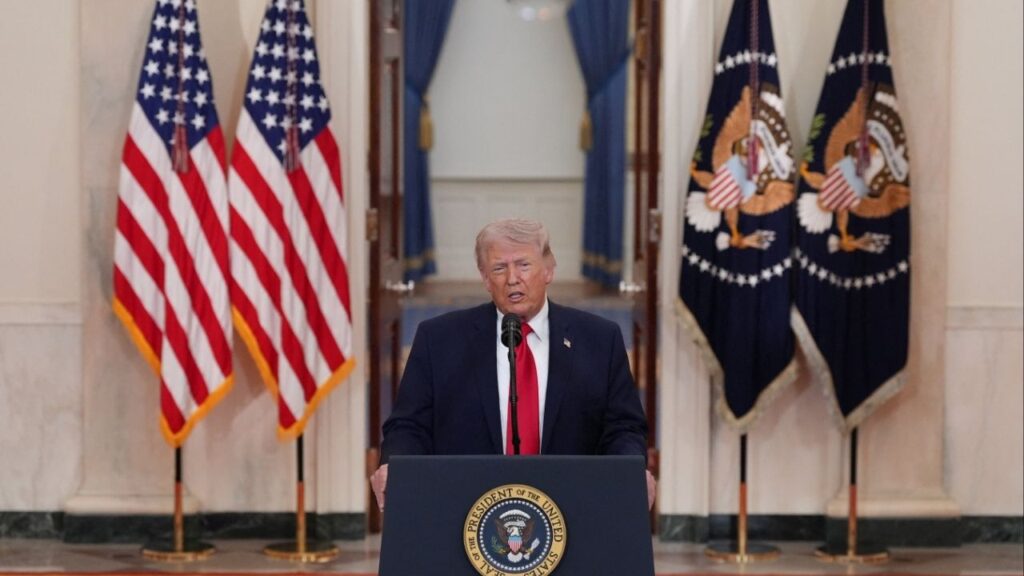
WASHINGTON — With the United States at war with Iran and embroiled in conflicts around the world, the White House said Friday that it would ask Congress to approve about $1.5 trillion for defense in the 2027 fiscal year. If enacted, that amount would set military spending at its highest level in modern history.
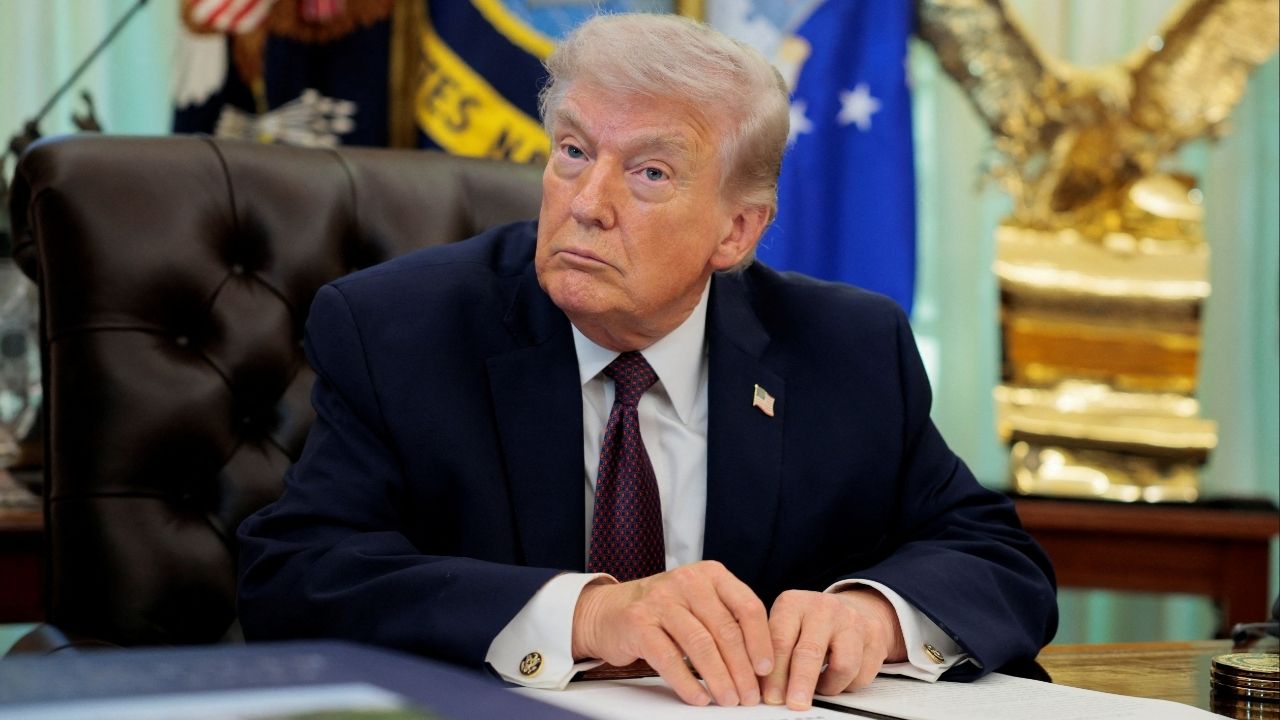
The request, which arrived Friday as part of President Donald Trump’s new budget, would amount to a roughly 40% bump from what the United States spent on the Pentagon this fiscal year. The administration said it would couple the proposed increase with a call for $73 billion in cuts across domestic agencies, including the elimination of some climate, housing and education programs.
By Friday morning, the White House had released only a summary of its budget request, which covers the period beginning Oct. 1, with fuller details expected later. Together, the ideas sum to a fiscal blueprint that could add trillions of dollars to the brimming federal debt over the next decade, if lawmakers translate the president’s full vision into law without other changes to federal spending.

Trump urged Congress to approve most of the new defense money, more than $1.1 trillion, as part of its work to fund the government, and to enact the remaining $350 billion using the same legislative tactic that allowed Republicans to clinch their tax cuts last year. He also asked lawmakers to increase federal funding to aid with border enforcement and mass deportations.
In the days before releasing the initial details of his plan, the president and his aides framed the proposed increase for defense in urgent terms, citing a need to restock munitions and other supplies as the war with Iran continues. At one point, Trump indicated at a private lunch that military spending needed to be a national priority, even at the expense of federal safety-net programs and other government aid, though his budget is not expected to address Medicare and Medicaid.
“It’s not possible for us to take care of day care, Medicaid, Medicare, all of these individual things,” he said. “They can do it on a state basis.” He added that the focus had to be “military protection.”
But Democrats and Republicans have expressed a shared unease recently about raising military spending to the extent that Trump has suggested, fretting that the administration had failed to keep them updated about the status of the Iran war, which is now in its fifth week.
Nor have lawmakers always responded favorably to some of the president’s proposed cuts for agencies and programs that serve American families and businesses. Only months ago, Democrats and Republicans approved spending packages for the current fiscal year that rejected most of the reductions that Trump had endorsed as part of his 2026 submission.
For the next fiscal year, the White House appeared to back off from some of those most sweeping changes. But it still asked Congress to slash domestic spending by about 10%, targeting a wide array of once core government services, some of which have historically had bipartisan support.
Some of the proposed cuts would target programs that serve minority groups and their communities, under the presumption that the spending — meant to expand access to lending, bolster minority-owned businesses and combat housing discrimination — is “woke,” “weaponized” or facilitates “cultural Marxism.”
The Trump administration also proposed to slash some funding for teacher training on the grounds that the money helped to “indoctrinate” them. And the White House asked Congress to cancel about $15 billion in clean energy and other green funds adopted as part of the 2021 infrastructure law, including money for renewable energy and electric vehicle chargers.
The administration signaled it would reserve its most significant increases for law enforcement, including more than $40 billion for the Justice Department, a 13% increase.
Nevertheless, the president’s blueprint does not carry the force of law; only lawmakers have the authority under the Constitution to set the nation’s spending levels. But Trump has at times upset that balance by claiming that he possesses vast powers to control the nation’s purse strings and carry out his budgetary vision, even without the express approval of Congress.
Over the first year of his second term, the president closed agencies and programs he disliked; dismissed thousands of federal workers across the bureaucracy; and halted billions in congressionally enacted funds for health, education, foreign aid, public broadcasting and more. The actions frequently drew widespread political rebukes and hundreds of legal challenges, many of which have not resolved in the president’s favor.
The roughly $1.5 trillion sought for the Pentagon would amount to about 4.5% of the nation’s gross domestic product, a measure of its economic output, according to Jessica Riedl, a budget and tax fellow at the Brookings Institution. By that measure, it would be the largest year-over-year increase for defense since the Korean War, her analysis showed, after adjusting for inflation.
The request comes less than a year after Trump secured about $150 billion in extra funding for the Pentagon as part of Republicans’ sweeping tax cut package. The government has raced to disburse those funds in recent months while pursuing additional money to help fund the war with Iran.
Marc Goldwein, a senior vice president at the Committee for a Responsible Federal Budget, which advocates deficit reduction, said the president’s increases could exacerbate the federal debt, now at nearly $39 trillion.
Without other substantial changes to federal spending and tax revenue, another half trillion in new military spending could total about $5 trillion to $6 trillion to that imbalance over the next decade, according to his analysis before the budget was released, after accounting for interest on what the government already owes.
—
This article originally appeared in The New York Times.
By Tony Romm
c. 2026 The New York Times Company