
|
Getting your Trinity Audio player ready...
|
NEW YORK — The New York Academy of Art, where a former student was among the first to complain to authorities about the behavior of Jeffrey Epstein, announced Friday that it was giving away money that Epstein had donated after new revelations about his involvement there were made public.
Files recently released by the Justice Department showed that some of Epstein’s ties to the academy, which was co-founded by Andy Warhol, were more extensive than previously known, with involvement years after he had been investigated in Florida in connection with the sexual abuse of underage girls. The academy said Friday that it would review its policies on philanthropy and the way it engages with donors.
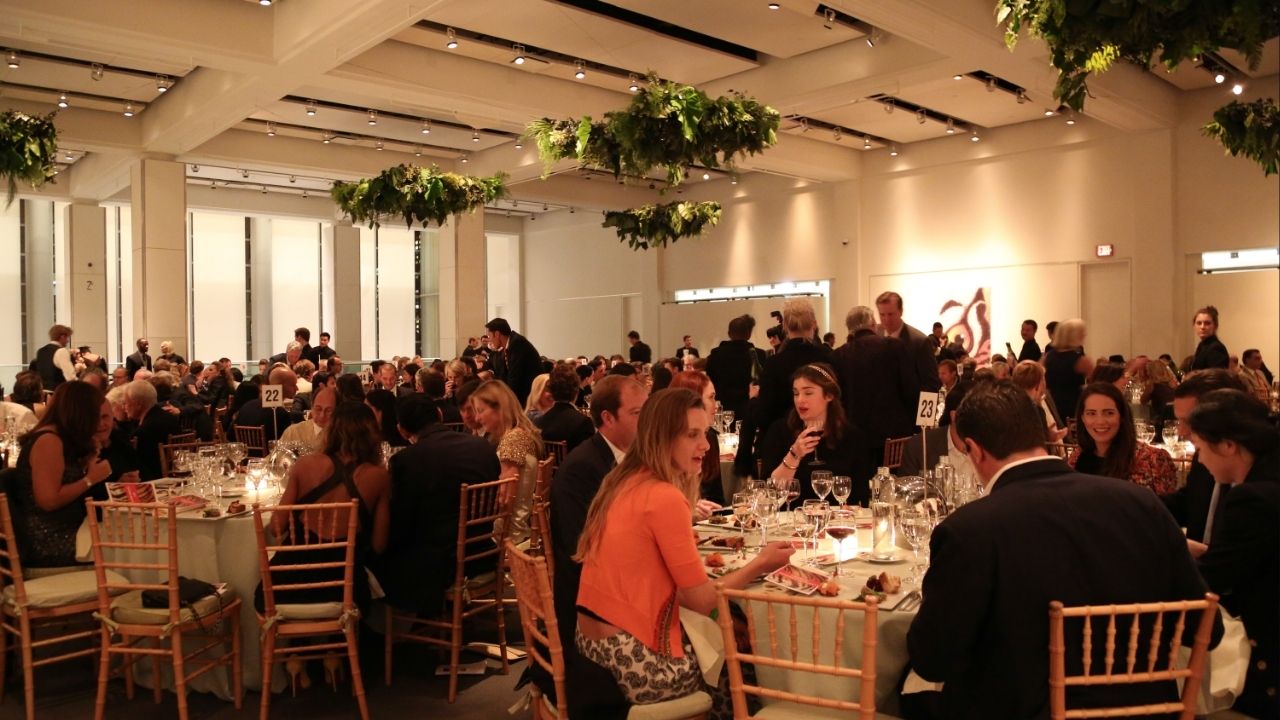
The disgraced financier, who had served on the academy’s board in the early 1990s, had been courted to sponsor a scholarship program, and he attended the academy’s fundraising events, including the Tribeca Ball and Take Home a Nude auction.

In a statement emailed to students and alumni Friday, the board expressed regret for the academy’s long association with Epstein. It also said the chair of the academy’s board would retire in April, a month earlier than expected.
Epstein was jailed for 13 months for state prostitution crimes and was arrested again in 2019 on federal charges accusing him of trafficking dozens of girls, some as young as 14, and engaging in sex acts with them. His 2019 death in jail was ruled a suicide.
“The academy should not have accepted contributions from him, allowed him to attend academy events or permitted him to have any connection to programs involving students or other community members after his criminal conduct had become known,” the board said in its email, which admitted to “serious failures in judgment and governance.”
The school plans to give $65,900 to an organization that helps trafficked girls. The academy had already had given away $30,000 that Epstein had donated.
The New York Academy of Art opened in 1982 as an anti-abstractionist school, aimed at teaching figurative drawing when traditional methods had fallen out of favor.
It attracted eccentrics (a pet boa constrictor was kept in one office) and scandal (a fiscal controller once embezzled $175,000), and it was known for elaborate fundraising parties where performances sometimes began after the shattering of a wine glass. Its galas draw celebrities and socialites.
In 1993, Maria Farmer moved to New York to attend the academy and has said she first met Epstein at a gallery thesis art show for her graduation. She said the dean of the academy at the time, Eileen Guggenheim, introduced her to Epstein and his longtime partner, Ghislaine Maxwell, and told her to sell them one of her paintings at a discount. (Guggenheim has said she did not recall such an interaction.)
Farmer, when she was in her 20s, went to work for Epstein acquiring art on his behalf, and later managing the entrance to a town house that he was renovating. She said that he and Maxwell assaulted her while she was staying with them at an estate in Ohio.
Soon after returning to New York in 1996, Farmer contacted police and the FBI.
No action was taking by authorities at the time.
She has said that she also talked about the encounter with Guggenheim, who is now the chair of the academy’s board.
Farmer has said that Guggenheim did not appear to take her concerns seriously. Guggenheim told The New York Times in 2019 that the details Farmer shared about Epstein did not rise to a level that would require intervention.
Guggenheim did not immediately respond Friday to a request for comment. A lawyer for Farmer declined comment.
Alumni of the academy in 2020 circulated a petition calling for more safety for students. The academy commissioned an internal investigation by a law firm, which interviewed Guggenheim and others. (Farmer did not cooperate with the investigation, the firm noted.)
According to a copy of the investigation, Farmer had told Guggenheim “the creepiest thing happened” with Epstein. She explained how Epstein and Maxwell had called her into their bedroom and asked her to join them in bed, but that Farmer “freaked out” and left.
“Don’t put yourself in those kinds of situations,” Guggenheim told Farmer, according to the report, which said Farmer did not mention she was touched or assaulted.
The law firm, called Walden Macht & Haran at the time the report was filed, noted in the report that it had previously represented Guggenheim before investigating her.
The law firm found no evidence that Guggenheim knew about any sexual abuse of Farmer, according to the investigation.
In 2020, the academy issued an apology to Farmer and announced new safeguards for students.
Emails from Justice Department filings indicate that Guggenheim was interviewed by the FBI about Farmer’s encounter with Epstein in 2007.
Guggenheim told agents that Farmer returned from Ohio “very upset” and that she did not know the details, but believed Farmer “was hurt possibly by a verbal suggestion made by Epstein.”
In later years, Epstein attended the academy’s Tribeca Ball, toured studios and purchased artwork.
“It was incredibly wonderful of you to come back,” Guggenheim wrote in a 2012 email addressed to Epstein and sent through his personal assistant. She added, “I just want you to know how much Russ and I and the whole school appreciates your involvement.”
(Guggenheim’s husband, Russell Colgate Wilkinson, is a former chair of the academy’s board.)
In Friday’s email announcing changes at the academy, the board said it would create an ethics committee to review policies, including those that govern philanthropy and donor engagement.
The email also said that Guggenheim would be stepping down as board chair a month earlier than planned. Officials said that her resignation for this year had been in the works since last May.
The academy’s website notes that she and her husband will be honored next month at the Tribeca Ball.
—
This article originally appeared in The New York Times.
By Dionne Searcey/Erin Baiano
c. 2026 The New York Times Company