
|
Getting your Trinity Audio player ready...
|
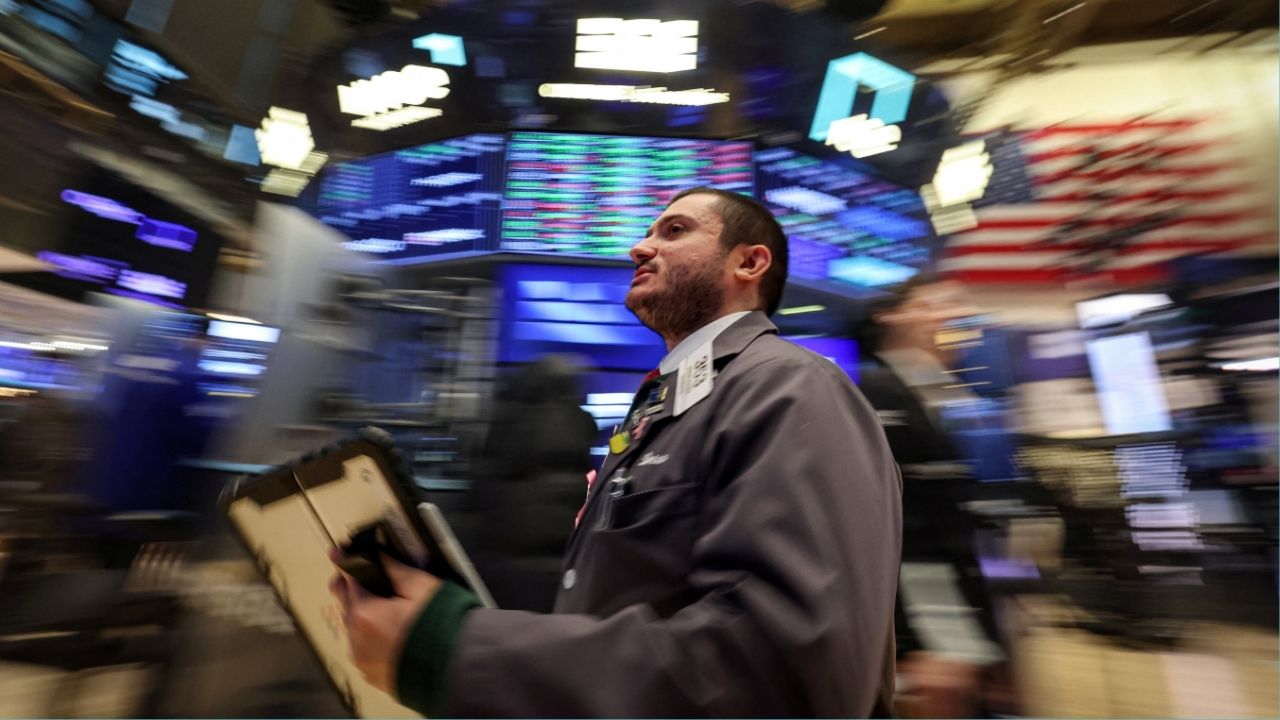
Wall Street indexes fell on Friday, with the Dow and S&P 500 touching a more than three-month low, amid a sudden setback in the U.S. labor market and a 12% spike in U.S. oil prices.
A disappointing payrolls report intensified worries that the U.S. economy could be cooling just as geopolitical tensions in the Middle East push energy costs sharply higher. That mix threatens to box in the Federal Reserve, complicating its path to rate cuts and reviving concerns about renewed inflation pressure.
“It’s a one‑two punch for the stock market today: the weak jobs report and the escalating price of oil,” said Kristina Hooper, chief market strategist at financial firm Man Group in New York.

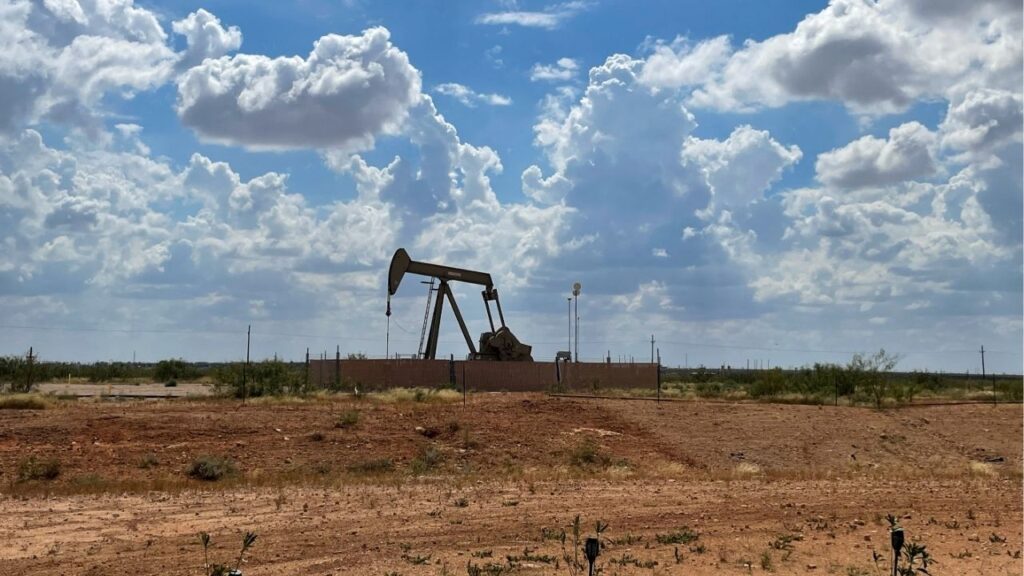
Oil prices jumped, driven by the U.S.-Israeli military attack in Iran, which halted shipping through the Strait of Hormuz, and by warnings from Qatar that crude could surge to $150 a barrel.
U.S. crude oil futures climbed more than 12% on Friday, above $90 per barrel, while international Brent rose about 8% to $92 per barrel, quickly approaching the $100 psychological barrier that alarms markets.
The increase in oil prices fueled expectations of higher input costs and pressure on corporate profits, adding to the likelihood of weaker credit conditions, which is typically negative for lenders.
The S&P 500 Banks Index, which tracks the performance of major U.S. bank stocks within the S&P 500, fell 2.6% and hit a four‑week low as jitters in the private credit market deepened.
BlackRock’s decision to limit withdrawals from a major private credit fund after a spike in redemption requests led to a 6% drop and added to those concerns, echoing similar limits at Blackstone earlier in the week.
Weakening US Job Market
Signs of a weakening U.S. jobs market came amid a strike by healthcare workers and harsh winter weather. The unemployment rate increased to 4.4%.
Traders pulled forward bets for a 25-basis-point interest rate cut by the Federal Reserve, with odds at about even for June, from about 35% earlier in the day, according to LSEG-compiled data.
“Given the developments in the Middle East and the spike in energy prices, I felt that the first rate cut was likely coming in September,” said Jeff Schulze, head of economic and market strategy at ClearBridge Investments.
“But given the renewed weakness in the labor market, that brings in both sides of the Fed’s dual mandate into the equation. I do think that the first rate cut will come in July at this point.”
The Fed’s dual mandate is to balance both prices and the labor market.
At 2:26 p.m. EST, the Dow Jones Industrial Average fell 537.02 points, or 1.12%, to 47,417.72, the S&P 500 lost 75.25 points, or 1.10%, to 6,755.46 and the Nasdaq Composite lost 252.02 points, or 1.11%, to 22,496.97.
Lender Western Alliance fell 12.9% after suing Jefferies for not making a payment for loans tied to bankrupt auto parts supplier First Brands Group. Jefferies dropped 8.7%.
The CBOE volatility index rose 2.8 points to 26.6 points, while the rate-sensitive Russell 2000 index dropped 1.9%.
Among other stocks, chip company Marvell Technology <MRVL.O> jumped 20% after forecasting fiscal 2028 revenue above estimates.
Despite the gloomy mood, U.S. stocks have fared better than Asian and European markets this week, aided by a jump in tech stocks and as the country is a net exporter of oil.
—
(Reporting by Sabrina Valle in New York; Additional reporting by Johann M Cherian and Ragini Mathur in Bengaluru; Editing by Devika Syamnath and Matthew Lewis)