
|
Getting your Trinity Audio player ready...
|
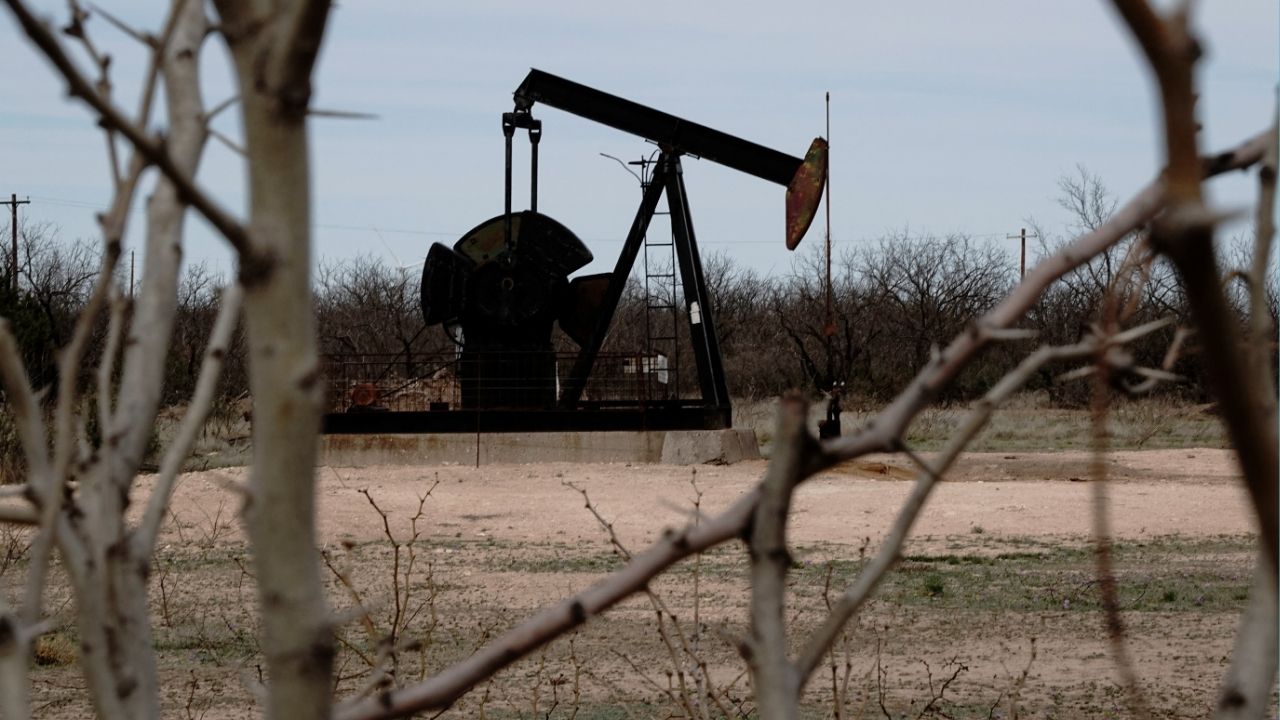
Oil prices held steady on Friday after data showed an overall slowdown in U.S. inflation, recovering from an earlier dip on news that OPEC+ is leaning towards a resumption in production increases.
Brent crude futures gained 11 cents, or 0.16%, to $67.63 a barrel by 12:22 p.m. ET (1722 GMT). U.S. West Texas Intermediate crude was unchanged from the previous close at $62.84.
Both oil benchmarks were headed for weekly declines after incurring near 3% losses on Thursday. Brent was headed for a 0.6% weekly loss, and WTI 1.2%.

U.S. consumer prices increased less than expected in January amid cheaper gasoline and a moderation in rental inflation.
“Looks like inflation is stabilizing. So, I think that’s going to be a boon for interest rates to probably continue to move a little bit lower. And I think as as rates start to move lower… that’s a positive to the economy,” said Dennis Kissler, senior vice president of trading at BOK Financial.
“The negative is going to be that OPEC could possibly increase production a little further,” he added.
Prices Fell Earlier in the Session
Prices fell earlier in the session as investors reacted to a Reuters report that OPEC is leaning towards a resumption in oil output increases from April, ahead of upcoming peak summer fuel demand, and amid firmer crude prices owing to tensions over U.S.-Iran relations.
Brent futures touched an intra-day low of $66.89 per barrel on the news, but then recovered.
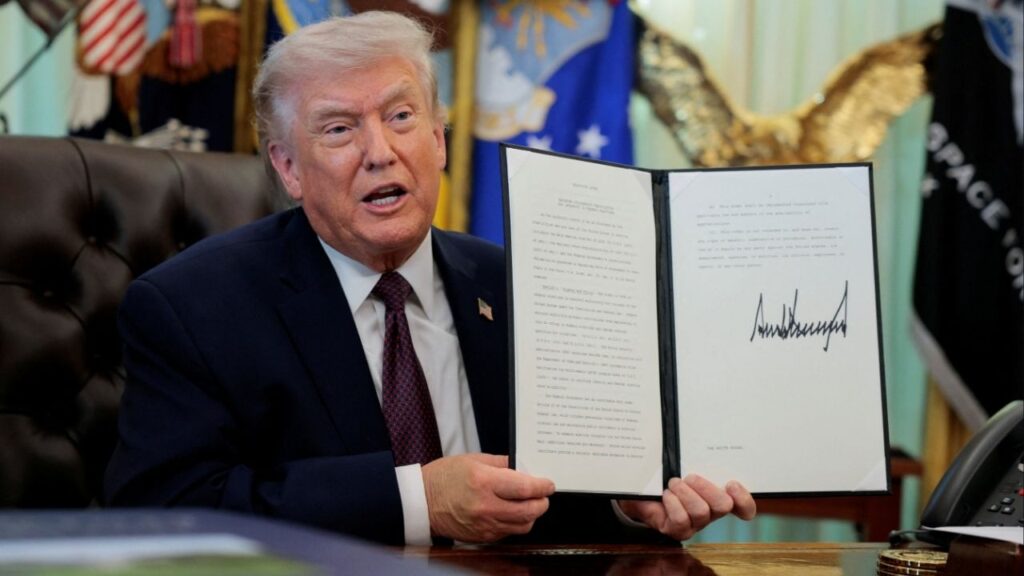
Oil prices had strengthened earlier in the week on concerns that the U.S. could attack Middle Eastern oil producer Iran over its nuclear program. But comments on Thursday from U.S. President Donald Trump that Washington could make a deal with Iran over the next month drove down prices on Thursday.
Away from the Middle East, Russia said on Friday that the next round of peace talks on Ukraine will take place next week.
Negotiations with Iran and Russia will be the near-term market movers, Kissler said, adding that near-term global crude supplies remain ample and crude futures likely have a $5 to $7 per barrel geopolitical premium baked in.
The U.S. also eased sanctions on Venezuela’s energy sector on Friday, issuing two general licenses that allow global energy companies to operate oil and gas projects in the OPEC member and for other companies to negotiate contracts to bring in fresh investments.
Oil sales from Venezuela controlled by the U.S. have totaled over $1 billion so far and in the next few months will bring in another $5 billion, U.S. Secretary of Energy Chris Wright told NBC News on Thursday.
—
(Reporting by Robert Harvey, Stephanie Kelly, Sam Li, Lewis Jackson and Sudarshan Varadhan; Editing by Susan Fenton, Kirsten Donovan )