

|
Getting your Trinity Audio player ready...
|
Jan 29 – Massachusetts Governor Maura Healey introduced legislation on Thursday that would make it unlawful for another state to deploy its National Guard to Massachusetts without the governor’s permission.
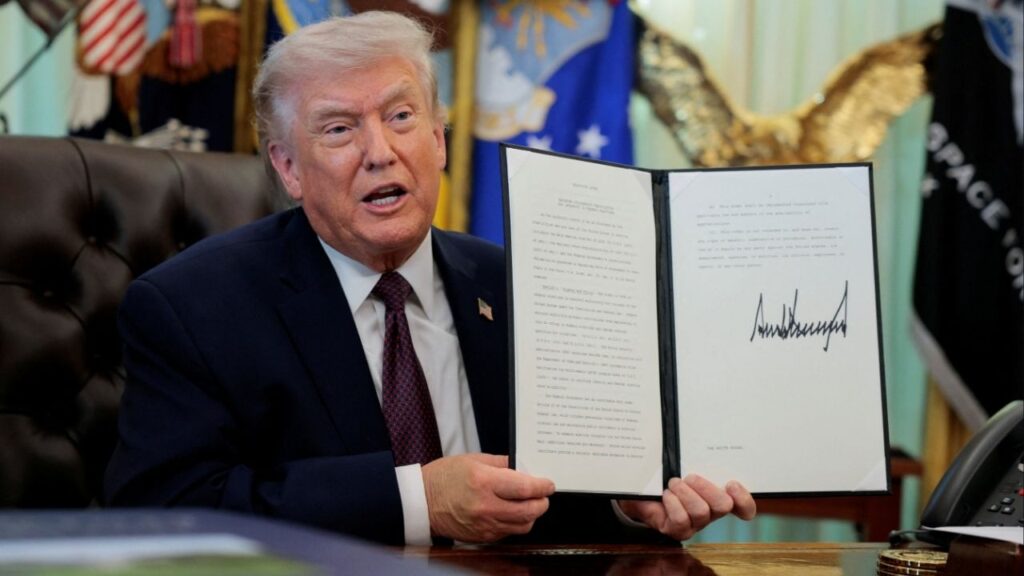
U.S. President Donald Trump deployed National Guard troops to several major cities last year, including Chicago and Los Angeles, a move that broke with long-standing U.S. tradition against using the military domestically against the wishes of local authorities.
Several states have similar laws regarding the National Guard, a reserve force that can operate under state or federal control.

The laws prevent deployment of another state’s National Guard without the local governor’s consent, although at least some state laws do not apply when the National Guard is under federal control.
Last year, President Donald Trump’s administration tried to deploy federalized National Guard from California and Texas to protect immigration enforcement operations amid protests in Portland, Oregon. State officials sued, arguing the emergency circumstances required for such a deployment did not exist. The administration withdrew the military before the challenge was resolved.
The National Guard can often operate across state lines in emergencies such as natural disasters, but they do so with the consent of local officials.
—
(Reporting by Jasper Ward in Washington and Tom Hals; Editing by Doina Chiacu and David Gregorio)